This store requires javascript to be enabled for some features to work correctly.
 Free Shipping on US Orders $100+
 60-Day Money-Back Guarantee
 Dermatologist-Approved
Free Shipping on US Orders $100+
60-Day Money-Back Guarantee
Dermatologist-Approved




Retinol
When Should I Start Using Retinol? The Best Age To Begin
Most people start retinol in their mid-20s to early 30s. Here’s how to choose a strength for your age, the signs you’re ready and how to start without irritation.
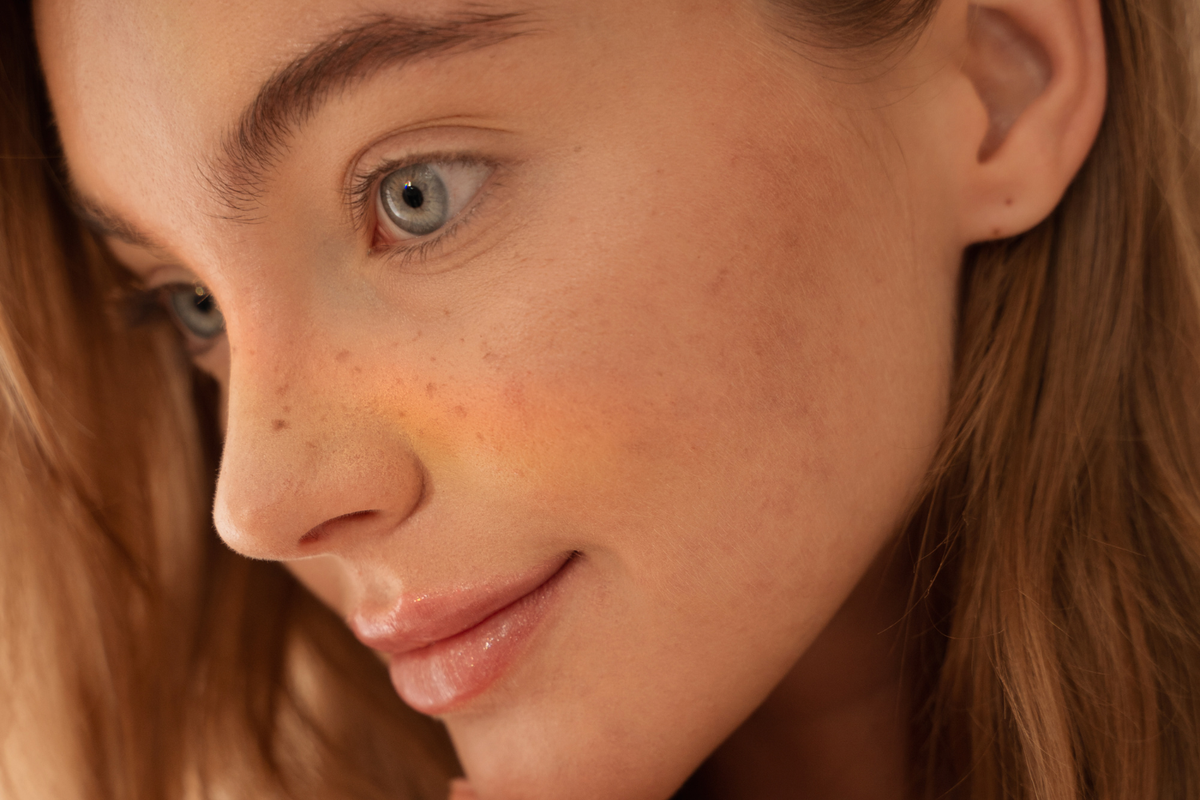
Retinol is one of the most effective anti-aging ingredients available, but when to start is one of the most common questions about it. There’s no single right birthday. The best time depends on your skin, your goals and how much sun damage you’ve already had.
This guide covers the age most dermatologists suggest, how to adjust strength by decade, signs you’re ready, when to wait, and how to start without irritation.
Key Takeaways
- Most people start in their mid-20s to early 30s. That’s when collagen production begins to slow and early fine lines and dullness appear.
- Strength should match your age and experience. Start low, around 0.3%, and work up to 0.5% or 1% as your skin adjusts.
- It’s never too late. Retinol still improves texture, tone and firmness after 50, with a gentler start.
What’s The Best Age To Start Retinol?
Most dermatologists suggest starting retinol in your mid-20s to early 30s, or whenever you first notice signs of aging such as fine lines, rough texture, dullness or sun spots. Around this time, skin renewal and collagen production naturally begin to slow, and retinol helps counter both.
Starting earlier isn’t usually necessary for anti-aging. In your late teens and early 20s, daily sunscreen, a gentle cleanser and moisturizer do more for long-term skin health. Retinoids for acne at any age are a separate decision best made with a dermatologist.
Retinol By Age
Your goals, and the strength you need, change as your skin does.
In your 20s: prevention
Collagen is still plentiful, so the goal is prevention. Start with a low strength, around 0.3%, two or three nights a week.
In your 30s: early correction
Fine lines and slower renewal become visible. A 0.5% retinol used most nights helps smooth texture and support collagen.
In your 40s: firmness and tone
Deeper lines, sun spots and loss of firmness show up. Many people do well building up to 0.5%–1%, with rich barrier support.
50 and beyond: gentle and consistent
Skin is often drier and more sensitive. Start low and slow, buffer with moisturizer, and stay consistent; results still come.
Signs It’s A Good Time To Start
Age is a guide, but your skin is the better signal.
- Fine lines around the eyes or forehead that linger.
- Rough or uneven texture that exfoliating doesn’t fix.
- Dullness or slower recovery from breakouts and marks.
- Sun spots or uneven tone from past sun exposure.
- Loss of firmness along the jawline or cheeks.
When To Wait Or Check With A Doctor First
Retinol isn’t right for everyone at every moment.
- Pregnant, trying to conceive or breastfeeding. Retinoids are generally advised against; ask your doctor about alternatives.
- Eczema, rosacea or a damaged skin barrier. Calm and repair your skin first, then start retinol with professional guidance.
- Teenagers. Retinoids are sometimes used for acne, but only with a dermatologist’s direction.
- Using other strong actives. If you already use exfoliating acids or prescription treatments, check how to combine them before adding retinol. See what not to use with retinol.
How To Start Retinol At Any Age
A slow start is the most reliable way to avoid irritation. Our beginner’s guide to retinol covers more.
- Choose a starter strength. Around 0.3% for first-timers or sensitive skin; 0.5% if your skin is resilient.
- Begin two or three nights a week. Build to every other night, then nightly, over several weeks. See how often to use retinol.
- Apply a pea-sized amount to dry skin. Avoid the corners of the nose and mouth and the eyelids.
- Moisturize after. Barrier support keeps dryness and flaking in check.
- Wear SPF 30+ every morning. Retinol increases sun sensitivity, and sunscreen protects the results you’re building.
Why Pair Retinol With DNA Repair
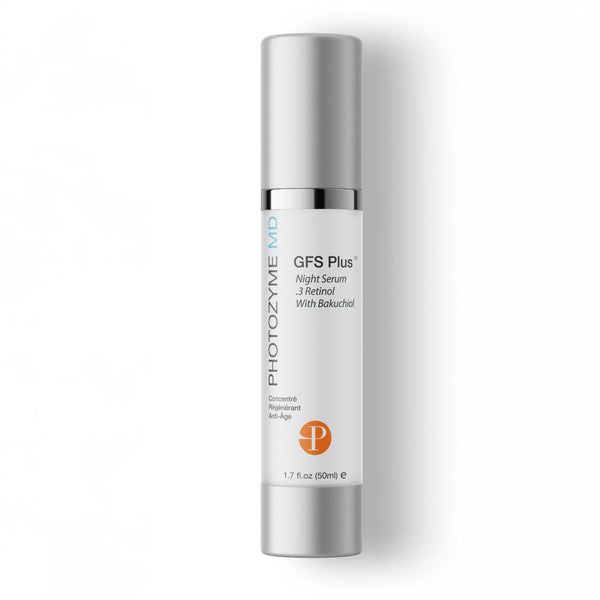
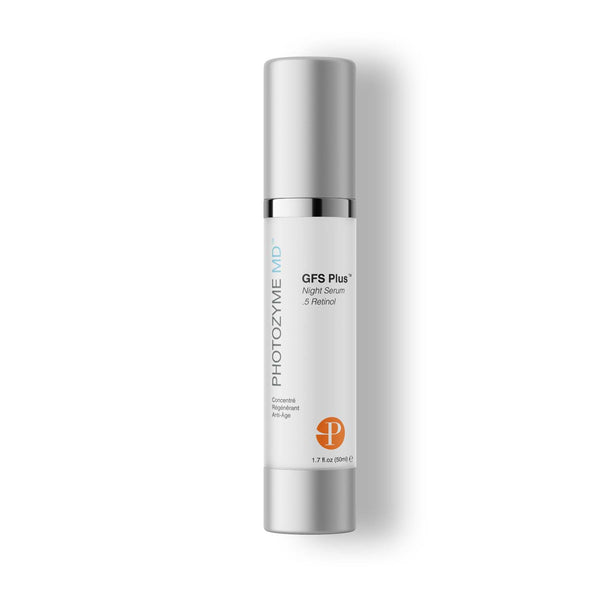
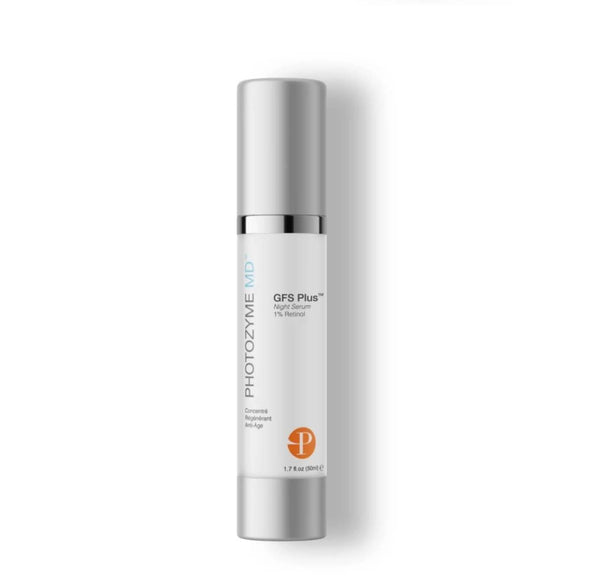
Retinol speeds skin renewal and supports collagen, but it doesn’t repair the UV-induced DNA damage behind much of visible aging. DNA repair enzymes do. That’s why every GFS Plus Night Serum pairs retinol with three DNA repair enzymes and a triple ceramide complex: renewal, repair and barrier support in one step. Compare strengths in our guide to choosing a retinol.
Final Thoughts
For most people, the right time to start retinol is the mid-20s to early 30s, or whenever early signs of aging appear. Start with a low strength, build up slowly, moisturize and wear sunscreen every day. And if you’re past 50, it’s not too late: retinol still delivers visible results with a gentler approach.
Frequently Asked Questions
At what age should I start using retinol?
Most people start in their mid-20s to early 30s, or when they first notice fine lines, dullness or uneven texture.
Is retinol safe for teenagers?
Retinol isn’t usually needed for anti-aging in your teens. Retinoids are sometimes used for acne, but only under a dermatologist’s guidance.
Is it too late to start retinol after 50?
No. Retinol can still improve texture, tone and firmness after 50. Start with a lower strength and buffer with moisturizer.
What strength should I start with?
Around 0.3% for first-timers or sensitive skin, or 0.5% for resilient skin. Increase strength only once your skin tolerates nightly use.
Can I use retinol while pregnant?
Retinoids are generally not recommended during pregnancy, while trying to conceive or while breastfeeding. Ask your doctor about safe alternatives.
Should I wait until I see wrinkles?
No. Starting when early signs appear, before deep wrinkles form, makes it easier to maintain smooth, firm skin over time.
Shop the article
Products mentioned in this article