This store requires javascript to be enabled for some features to work correctly.
Best Anti Aging Products
You expect skincare rooted in evidence, and that’s precisely what you use with us. At Photozyme, every formula is built on enzyme technology recognized in dermatology and molecular biology, including mechanisms researched in clinical studies of photodamage. Our DNA repair enzymes are incorporated at concentrations validated for real corrective impact, helping restore structural integrity where aging begins. When you choose Photozyme, you’re choosing clinically verified repair, not cosmetic illusion or surface‑level hydration.
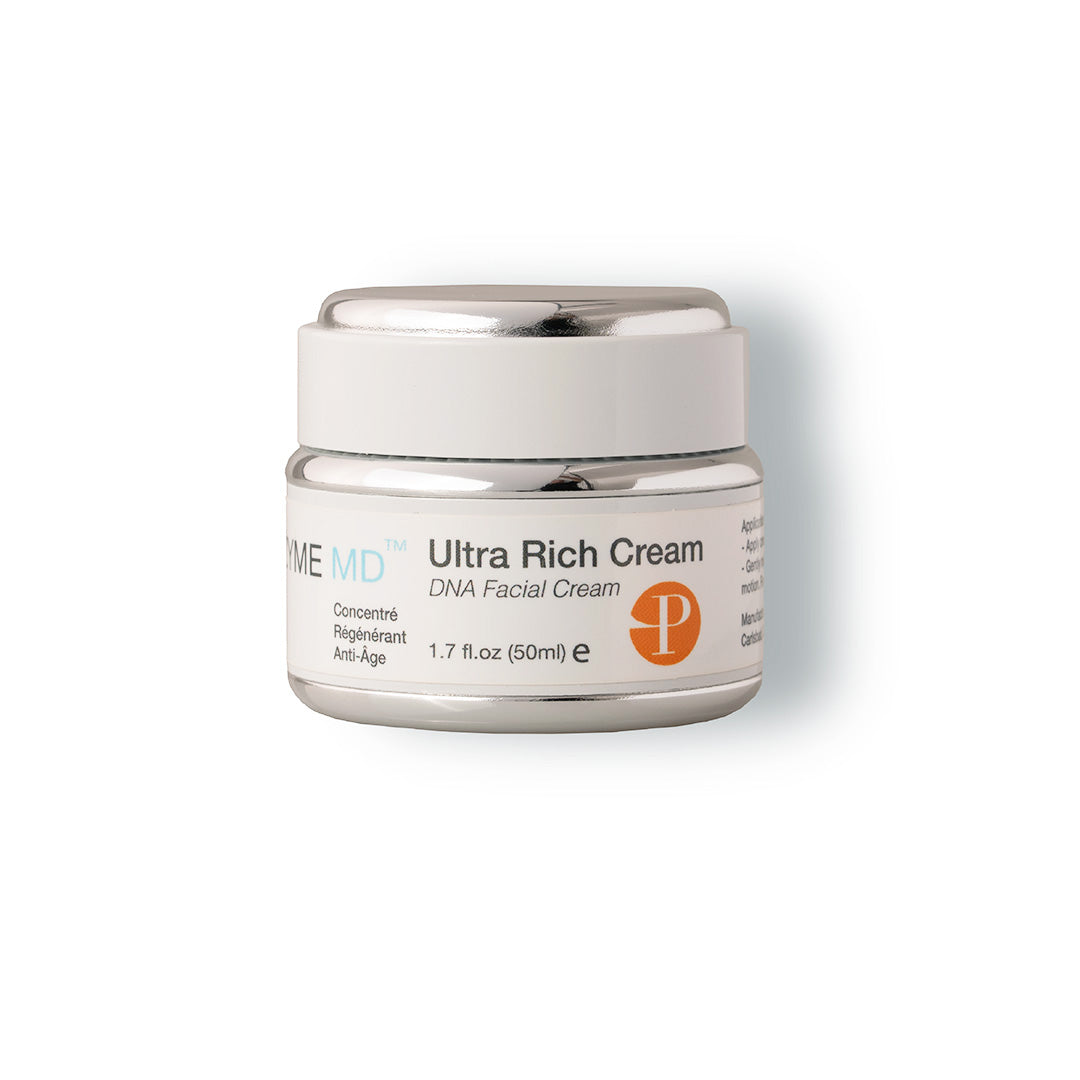
Ultra Rich DNA Facial Cream 1.7 fl oz
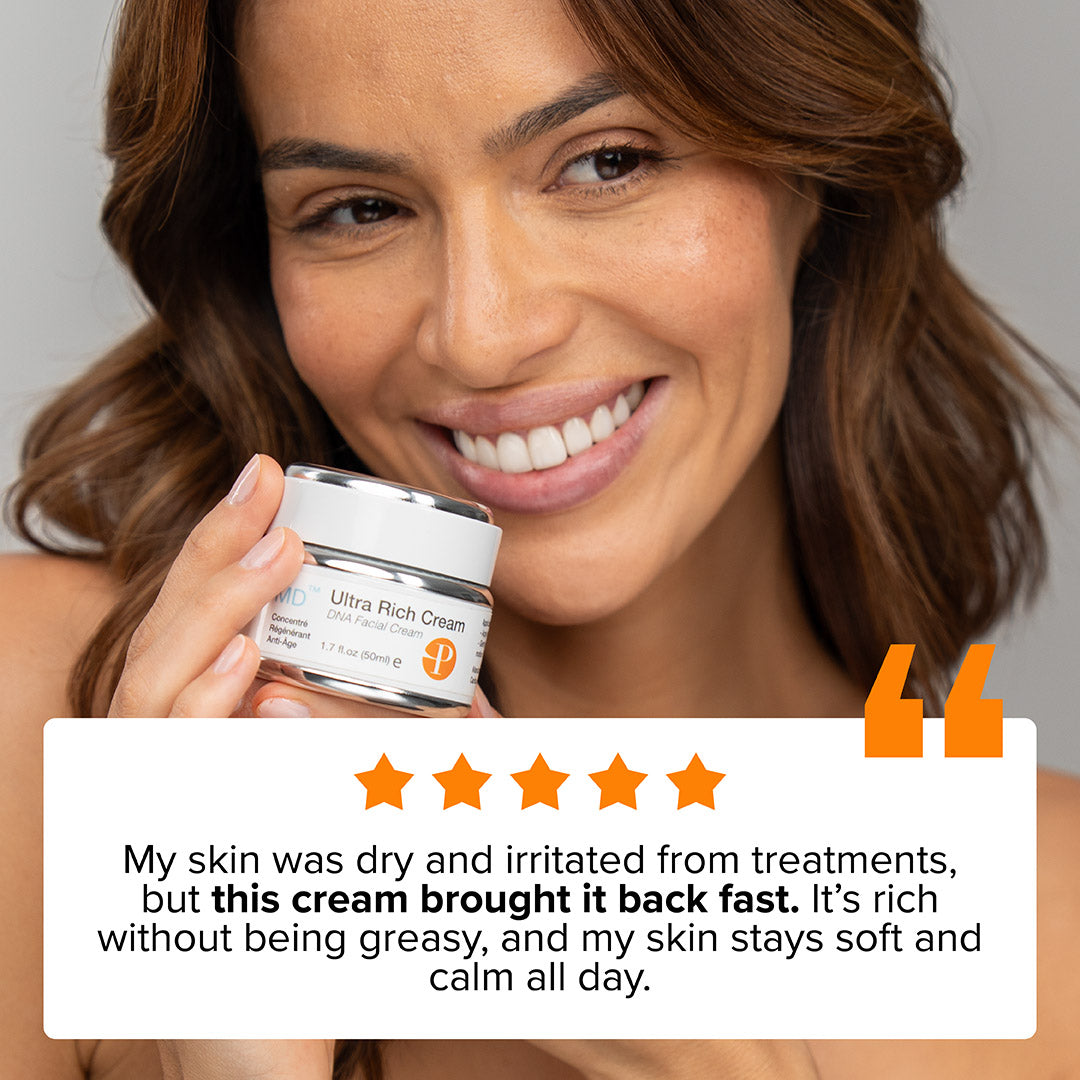
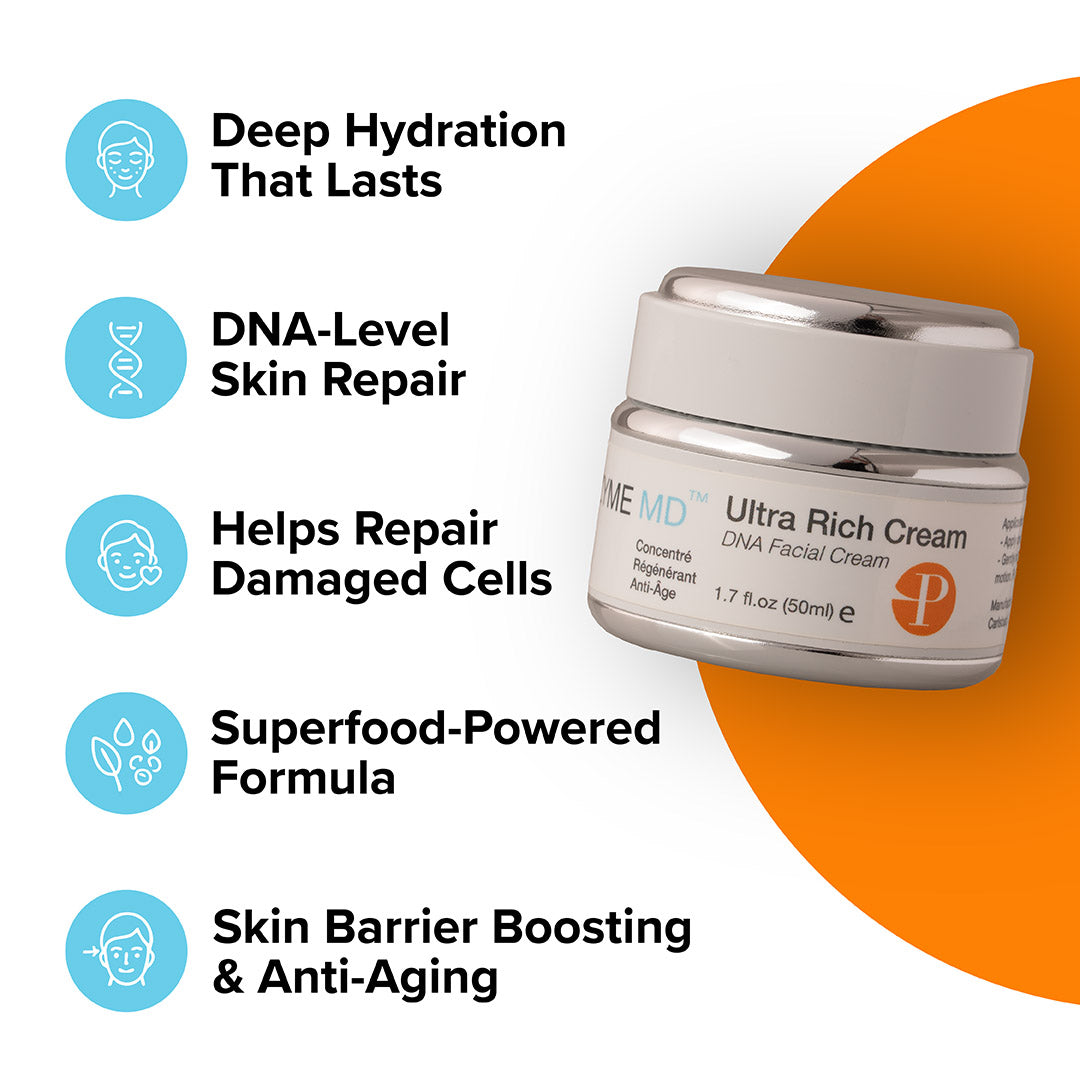
This luxurious moisturizer is designed to nourish and hydrate skin, restore skin barrier properties and add additional anti-aging benefits to your skin health regimen. Rich in Superfoods, this buttery blend of our proprietary DNA repair enzymes, antioxidants and other plant based nourishing ingredients that melt into the skin and provide optimal hydration. Clinically proven to moisturize the skin and treat photodamage.
Benefits
- Hydrates even the most dry and dehydrated skin
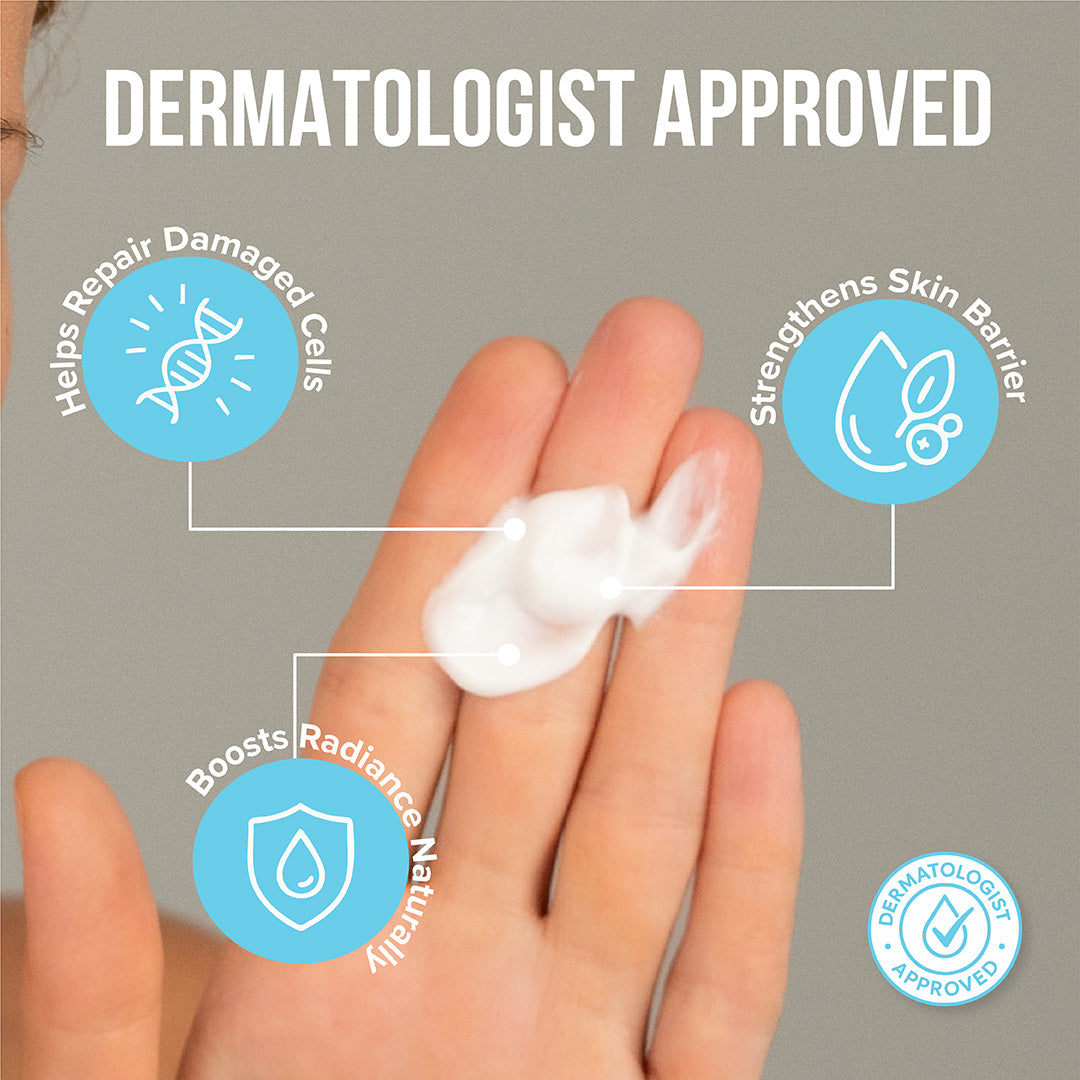
- Packed with DNA Repair Enzymes to fight against photodamage
- Rich in Superfoods (Jojoba, Soybean, Shea Butter, Passion Fruit, Açaí, Green Tea) supplying your skin with a broad mix of antioxidants and fatty acids
- Restores skin barrier properties and adds additional anti-aging benefits
- Enhances and maintains the results of facial procedures
Ingredients
WATER, VEGETABLE GLYCERIN, STEARIC ACID, MYRISTYL MYRISTATE, CETEARYL ALCOHOL, CETEARETH-20, GLYCERYL STEARATE, SODIUM HYALURONATE, SIMMONDSIA, CHINENSIS (JOJOBA) SEED OIL, GLYCINE SOJA (SOYBEAN) OIL, CETYL ALCOHOL, ACRYLATES/C10-30 ALKYL ACRYLATE CROSSPOLYMER, BUTYROSPERMUM PARKII (SHEA) BUTTER, CALENDULA OFFICINALIS FLOWER OIL, PASSIFLORA EDULIS (PASSION FRUIT) SEED OIL, ORYZA SATIVA (RICE) BRAN OIL, EUTERPE OLERACEA (AÇAÍ PALM) FRUIT OIL, CAMELLIA SINENSIS (GREEN TEA) LEAF EXTRACT, PALMITOYL TRIPEPTIDE-38, XANTHAN GUM, PHOTOLYASE (ANACYSTIS NIDULANS) ENDONUCLEASE (MICROCOCCUS LUTEUS), GLYCOSYLASE (ARABIDOPSIS THALIANA), PHENOXYETHANOL, ETHYLHEXYGLYCERIN, SODIUM HYDROXIDE, POTASSIUM SORBATE
Directions
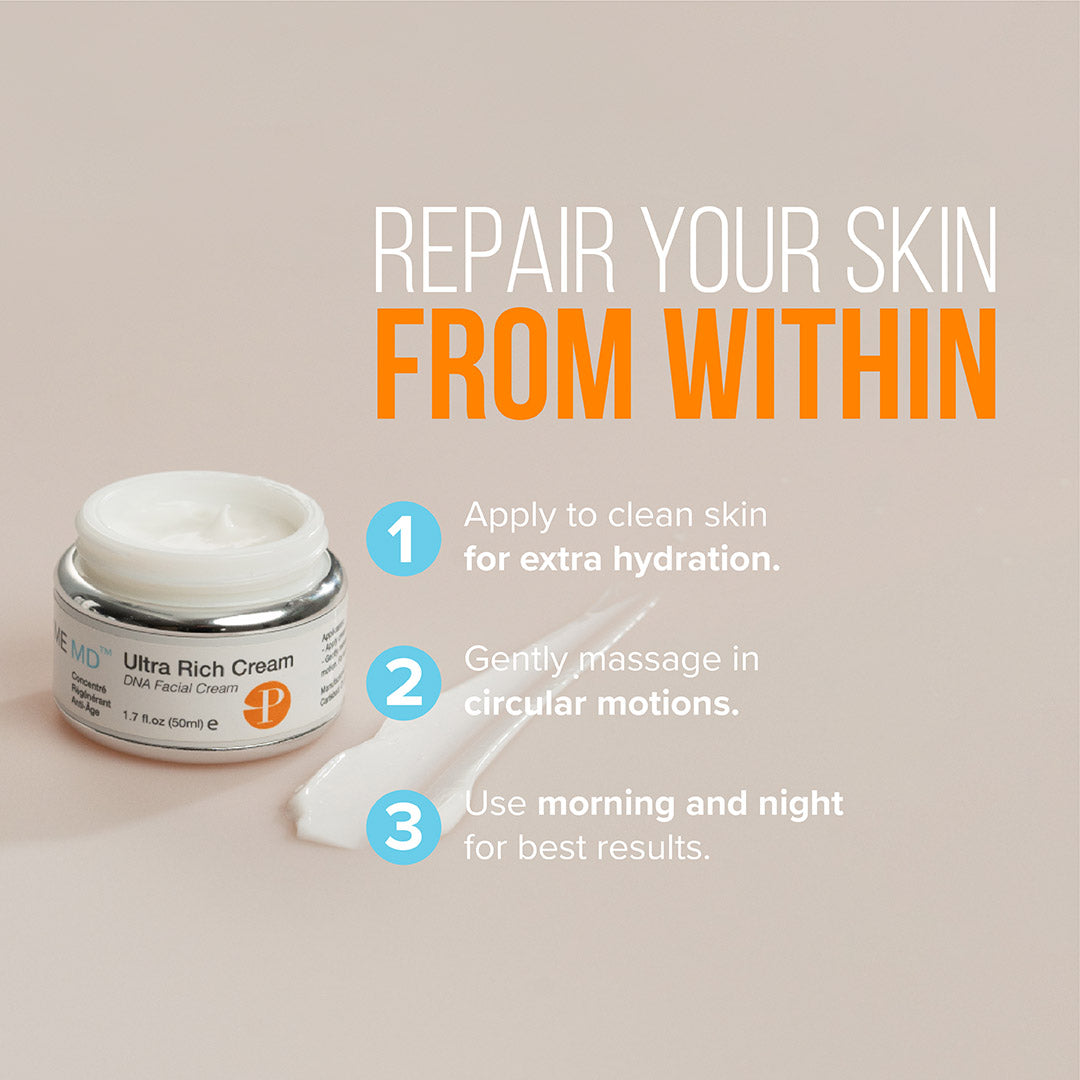
Apply cream to clean face morning and night or as needed for maximum hydration. Gently massage the cream into the skin using fingers in a circular motion.
Shipping
Free shipping on US orders over $50
Understanding Photoaging And DNA Damage
Photoaging refers to the premature aging of skin caused by repeated exposure to ultraviolet (UV) radiation from the sun. Unlike natural aging, which is influenced by genetics and time, photoaging accelerates the breakdown of key skin components, such as collagen and elastin. This process leads to fine lines, wrinkles, uneven pigmentation, and a rough skin texture. Many people first start wondering when do wrinkles start when they notice these early changes linked to UV exposure.
How UV Rays Trigger DNA Damage
At the core of photoaging is DNA damage. UV rays penetrate the skin and disrupt the DNA inside skin cells. When DNA strands are damaged and don’t repair correctly, cells may lose their normal function. Over time, this cellular stress contributes to visible aging, a weakened skin barrier, and even an increased risk of more serious conditions.
Why Targeting DNA Repair Improves Aging Concerns
Modern scientific understanding recognizes that addressing photoaging effectively means targeting the DNA damage itself, rather than just its surface symptoms. This is why anti-aging skincare routines are increasingly built around products formulated to support skin’s natural repair mechanisms and shield it against further UV-induced harm. By protecting skin DNA and supporting its repair, it’s possible to slow the visible signs of aging, maintain skin clarity, and help preserve its youthful appearance.
Key Anti-Aging Ingredients To Prioritize
When building an anti-aging skincare routine, the ingredients in your products matter as much as the products themselves. Science-driven formulas target the visible signs of aging and the underlying causes.
Here’s what to look for:
- DNA Repair Enzymes: These advanced molecules work at a cellular level, helping to recognize and repair damage caused by UV exposure, one of the leading drivers of photoaging. By fixing DNA damage, these enzymes help reduce the appearance of fine lines, pigmentation, and skin roughness over time.
- Retinoids (Vitamin A Derivatives): Well-researched and dermatologist-recommended, retinoids help stimulate collagen production, accelerate cell turnover, and visibly reduce wrinkles, making them a cornerstone in effective anti-aging routines. They’re also widely discussed in conversations around pigmentation, especially when people ask, 'Does retinol help with dark spots?' since retinoids play a key role in evening skin tone.
- Peptides: Small chains of amino acids, peptides signal the skin to produce more collagen and elastin, two essential proteins responsible for the skin’s firmness and elasticity. With continued use, peptides can support smoother, more resilient skin.
- Antioxidants (Vitamin C, Vitamin E, Polyphenols): Antioxidants neutralize free radicals, a major cause of premature skin aging. Ingredients like vitamin C not only defend against environmental damage but also brighten the complexion and even skin tone.
- Hyaluronic Acid: A moisture-binding ingredient, hyaluronic acid draws water into the skin, making it look plumper and minimizing the appearance of fine lines caused by dehydration.
- Sunscreen Filters: No anti-aging regimen is complete without broad-spectrum sunscreen. Filters like zinc oxide and titanium dioxide help prevent new sun-induced damage and preserve the results of your skincare routine.
Look for these ingredients when selecting the best anti-aging products, and always opt for formulas that address both surface-level concerns and deeper, molecular-level changes within the skin.
Give your skin support that truly matters with Photozyme. Our best anti-aging products are designed to help your complexion stay resilient, hydrated, and visibly smoother with consistent use. Take the next step toward healthier-looking skin by choosing formulas powered by science and trusted by professionals. Your routine deserves this level of care.
How To Layer Anti-Aging Products For Maximum Benefit
The way you layer your anti-aging products can dramatically influence your results. Each product has a specific purpose, targeting issues such as hydration, sun damage, wrinkles, or pigmentation. Selecting the correct order ensures that each ingredient absorbs fully and works to its full potential.
Here’s a science-backed, easy-to-follow anti-aging skincare routine to maximize the effectiveness of your favorite formulas, especially those that target DNA repair and sun-induced aging:
Start With A Gentle Cleansing Foundation
Start with a gentle cleanser to remove oils, pollutants, and makeup. Clean skin paves the way for active ingredients to penetrate deeper. Next, use a toner if you prefer, but look for alcohol-free options that restore your skin’s natural pH without stripping moisture.
Apply Serums That Deliver Active Results
Serums come next—this is where most anti-aging actives, like DNA repair enzymes, antioxidants, or peptides, are found. Apply your serum to slightly damp skin; this often increases absorption and strengthens the skin’s moisture barrier. If you use more than one serum, go from thinnest to thickest texture. This stage is also where many people start exploring targeted concerns, such as what is the best neck firming cream that really works, since specific areas can benefit from precise layering techniques.
Support Your Routine With The Right Moisturizer
After your serums, move to moisturizer. This step locks in hydration and provides a supportive environment for previous actives to continue working as you go about your day or night. Choose a moisturizer that’s compatible with your skin type and doesn’t counteract the anti-aging benefits you’re aiming for.
Protect With Sunscreen Every Morning
Finish with a broad-spectrum sunscreen every morning, even if you’re planning to stay indoors. Sun protection is crucial for preventing further DNA damage, pigmentation, and premature wrinkles. If you use a retinoid or exfoliant at night, be sure to apply these after your serums and before your final moisturizer, but never mix them with vitamin C in the same routine to avoid irritation.
Consistently following these steps allows each anti-aging product to do its job, helping to rejuvenate, defend, and revitalize your skin at every level.
Lifestyle Habits That Boost Topical Results
Optimizing your anti-aging skincare routine means thinking beyond the products themselves. Daily choices have a significant impact on how well topicals perform, particularly those targeting signs of sun damage and premature aging.
Here are proven lifestyle habits to amplify the results of even the best anti-aging products:
- Consistent Sun Protection: Sun exposure accelerates the development of fine lines, pigmentation, and changes in skin texture. Daily use of broad-spectrum sunscreen, a wide-brimmed hat, and seeking shade during peak hours minimizes new cellular damage and supports your skin’s recovery.
- Sleep Quality Matters: During sleep, the body launches repair processes that are essential for youthful skin. Seven to nine hours nightly gives your skin the uninterrupted time it needs to renew, making actives from your anti-aging regimen more effective.
- Balanced Nutrition: A diet rich in antioxidants, healthy fats, and protein supplies the building blocks for collagen and elastin. Leafy greens, berries, fish, and nuts help combat oxidative stress, complementing the work of lotions and serums you apply each day.
- Smart Hydration: Drinking enough water supports a supple, plump complexion. Dehydration can make fine lines more noticeable and diminish the glow achieved from topical products.
- Stress Management: Chronic stress increases cortisol, which can interfere with healthy skin renewal. Mindfulness, regular movement, and downtime help maintain your skin’s resilience, ensuring that anti-aging topicals can work without interference. These habits become especially helpful when evaluating options like the best anti-aging cream for the 40s, where both topical science and lifestyle alignment play essential roles in achieving visible results.
Adopting these habits doesn’t replace dedicated skincare science, but it can noticeably enhance the visible impact of topicals, resulting in smoother, clearer, and more youthful-looking skin over time.
Common Ingredient Pitfalls To Avoid
Choosing the best anti-aging products is critical to know which ones can derail your anti-aging skincare routine.
Here’s what to watch out for:
Fragrance And Sensitizing Agents
While a pleasant scent may seem appealing, artificial fragrances and certain essential oils can irritate, particularly for individuals with sensitive skin. Invisible inflammation can accelerate aging over time, making these additives a worthwhile consideration for anyone focused on achieving long-term results.
Harsh Alcohols
Some skincare formulations contain drying alcohols, like denatured alcohol or ethanol. Although they create a quick “matte” finish, they strip the skin’s natural oils and damage its protective barrier, leading to dehydration and an increased risk of fine lines.
Abrasive Physical Exfoliants
Scrubs with large, jagged particles can create microtears in the skin, ultimately exacerbating age-related concerns such as thinning and uneven texture. Gentle chemical exfoliants (like mild AHAs) offer similar benefits without risking trauma to the skin.
Outdated Preservatives
Preservatives are necessary for product safety, but certain ones, such as parabens and formaldehyde releasers, may trigger sensitivity and don’t align with modern anti-aging science. Opt for cleaner formulation standards to give your skin the best chance at renewal.
Overuse Of Single-Target Ingredients
It’s tempting to chase the latest trend, but relying solely on ingredients like basic vitamin C or one type of peptide often falls short. A multifaceted approach is more effective, supporting the skin with a well-rounded matrix of actives. This broader perspective also helps when evaluating options, such as determining the best body lotion for aging skin, where ingredient balance can significantly impact long-term success.
Avoiding these common ingredient pitfalls helps maintain the skin’s resilience and supports visible, lasting improvements in your anti-aging skincare routine.
Read also:
What are the best anti-aging products?
Look for products that address skin aging at a molecular level. The most effective anti-aging options target sun-induced DNA damage, such as those using DNA repair enzymes. At Photozyme, our DNA Youth Recovery Facial Serum combines advanced DNA repair technology with a lightweight, non-greasy formula suitable for all skin types, helping visibly improve clarity, smoothness, and radiance.
Are retinol products safe for all skin types?
Most people tolerate retinol well, but those with sensitive or very dry skin should use caution. Always introduce retinol gradually into your routine and consider pairing it with restorative formulas, such as our enzyme-based products, to minimize irritation.
What ingredients should I look for in anti-aging products?
For the most scientifically supported results, prioritize DNA repair enzymes, peptides, antioxidants (like vitamin C and E), retinol, and hyaluronic acid. These ingredients help defend against new damage, encourage cell turnover, and aid in repairing existing skin issues caused by photoaging.
Are natural anti-aging products effective?
Natural ingredients can offer antioxidant and soothing benefits, but for advanced anti-aging improvements, particularly against sun-induced damage, clinical actives such as DNA repair enzymes, niacinamide, and stabilized vitamin C provide more measurable results.
Can anti-aging serums really reduce wrinkles?
Clinical studies and dermatologists consistently report wrinkle reduction and improved skin texture when using serums with proven actives, such as DNA repair enzymes, retinol, and peptides, over time. Our DNA Youth Recovery Facial Serum is formulated to help visibly smooth the skin and diminish wrinkles by supporting natural repair processes.
What are the side effects of anti-aging products?
Typical side effects include mild irritation, redness, or dryness, especially with retinol or strong exfoliants. Choosing evidence-backed, well-balanced products like those from Photozyme can help minimize side effects, and our formulas are designed explicitly for compatibility across various skin types.
Sign Up And Save $25
Join Our Mailing List
Receive discounts and tips for your skin care routine!