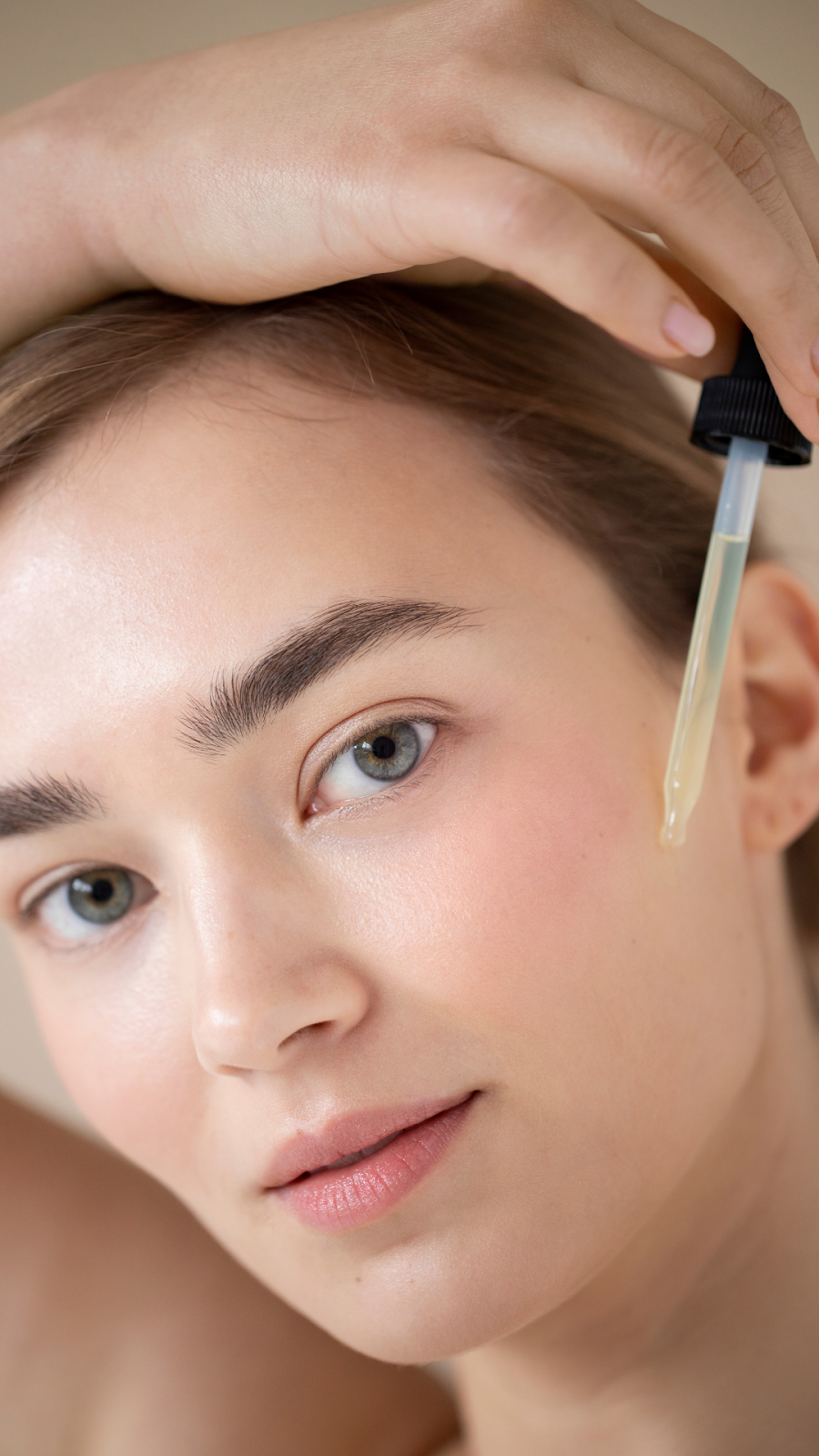
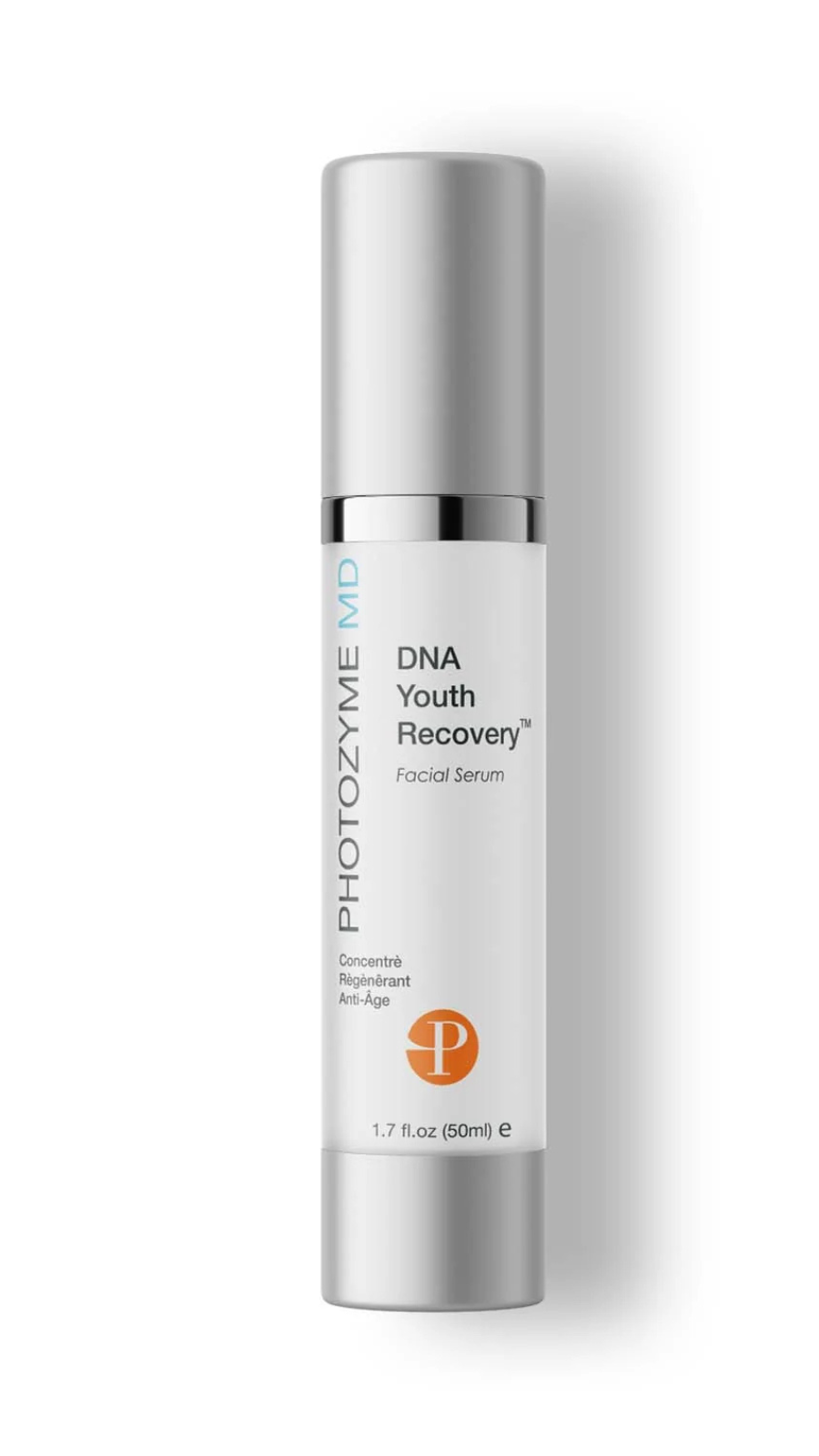
You turn to Vitamin C when ready to address dullness, dark spots, and uneven tone at the source. Ascorbic acid, the most active form of Vitamin C, neutralizes free radicals before they trigger collagen breakdown or pigment changes. It’s clinically proven to support collagen synthesis, which helps firm the skin and reduce the depth of fine lines over time. When exposed to daily UV and pollution stress, Vitamin C becomes your first line of defense; brightening, smoothing, and reinforcing the skin’s clarity from the inside out.
Why Niacinamide Builds Resilience From Within
Niacinamide offers a quieter power, supporting your skin’s function where it matters most. You use it when your goal is to reduce inflammation, strengthen your barrier, and balance oil without irritation. Unlike Vitamin C, niacinamide calms the skin while improving elasticity, reducing the appearance of pores, and evening out tone gently over time. Suppose you’re dealing with sensitivity, acne-prone areas, or post-inflammatory marks. This form of Vitamin B3 gives you effective, non-aggressive support that visibly improves clarity and texture without risking barrier damage.
What To Choose Based On Your Skin’s Needs
If your primary concern is hyperpigmentation, oxidative damage, or visible signs of photoaging, you’ll get more from Vitamin C. You want antioxidant firepower that goes after free radicals and stimulates collagen simultaneously. But if your focus is hydration, calming inflammation, or barrier repair, niacinamide may be more appropriate, especially if your skin reacts easily to potent actives. You’re not choosing better or worse; you’re choosing based on function.
How To Combine Both Without Causing Irritation
The best part? You don’t have to pick one. You can use Vitamin C in the morning to neutralize UV-triggered oxidative stress and niacinamide at night to replenish, restore, and reinforce. Just be mindful of layering. Use separate products with stable formulations and allow each layer to absorb fully. With the proper routine, these two ingredients complement each other and give you a 360° approach to brightening, firming, and protecting your skin across all fronts.
Addressing Common Concerns: Sensitivity, Breakouts, And Purging
When introducing a new antioxidant serum into your routine, it’s natural to question how your skin will respond, especially if you’ve dealt with sensitivity. You might notice mild redness, tightness, or tingling as your skin adapts. These are common early signals when actives begin stimulating change. To ease this transition, start slow. Apply your antioxidant serum every other night, then gradually increase frequency as your skin builds tolerance. This method helps your skin acclimate without sacrificing progress.
Differentiating Purging From Breakouts
You’ve probably wondered if new breakouts mean your product isn’t working. The truth is, not all blemishes are setbacks. When high-performance ingredients accelerate cell turnover, pre-existing clogged pores may rise to the surface more quickly: a process known as purging. These flare-ups typically occur in areas where you frequently break out and tend to resolve within a skin cycle. On the other hand, breakouts caused by incompatible ingredients may spread to new regions or include cysts and irritation. Observing patterns helps you respond with clarity rather than guesswork.
How Hydration Supports Active Formulas
When your skin adjusts to antioxidants, hydration is essential. Ingredients like hyaluronic acid or panthenol reinforce barrier function and prevent trans-epidermal water loss, allowing your skin to recover from the initial stimulation without losing comfort. That’s why we build hydration directly into our antioxidant formulations, so you experience performance and calm with every application.
The Value Of A Patch Test And Patient Application
We know you’re eager for results, but thoughtful application can mean the difference between irritation and visible progress. Start with a patch test on the side of your face or jawline. If you notice no adverse reaction after 24 hours, you can proceed with the whole application. Use your antioxidant serum three nights a week, followed by a barrier-supportive moisturizer. Giving your skin time to respond increases the likelihood of seeing smooth, radiant changes with minimal disruption.
When To Reassess And When To Stay The Course
Not all reactions cause concern, but not all should be ignored. If you notice persistent redness, stinging, or new breakouts beyond the typical purging window, pause. Your skin might need a gentler approach or a revised product pairing. On the other hand, if you’re seeing gradual improvements, brighter tone, smoother texture, and less reactive skin, you’re on the right path. Trust the science, but also trust your skin’s signals.
 Free Shipping on US Orders $50+
 60-Day Money-Back Guarantee
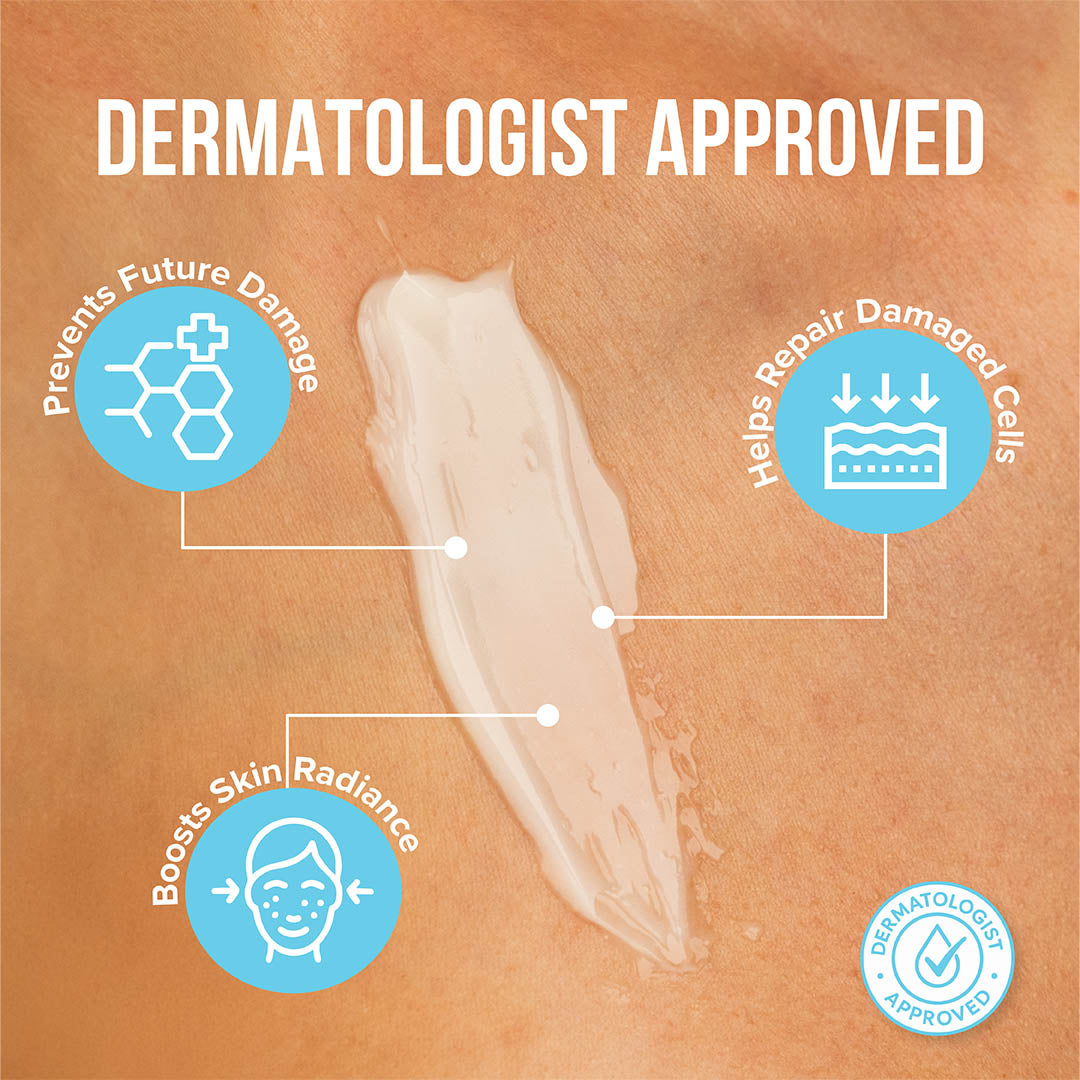
 Dermatologist-Approved