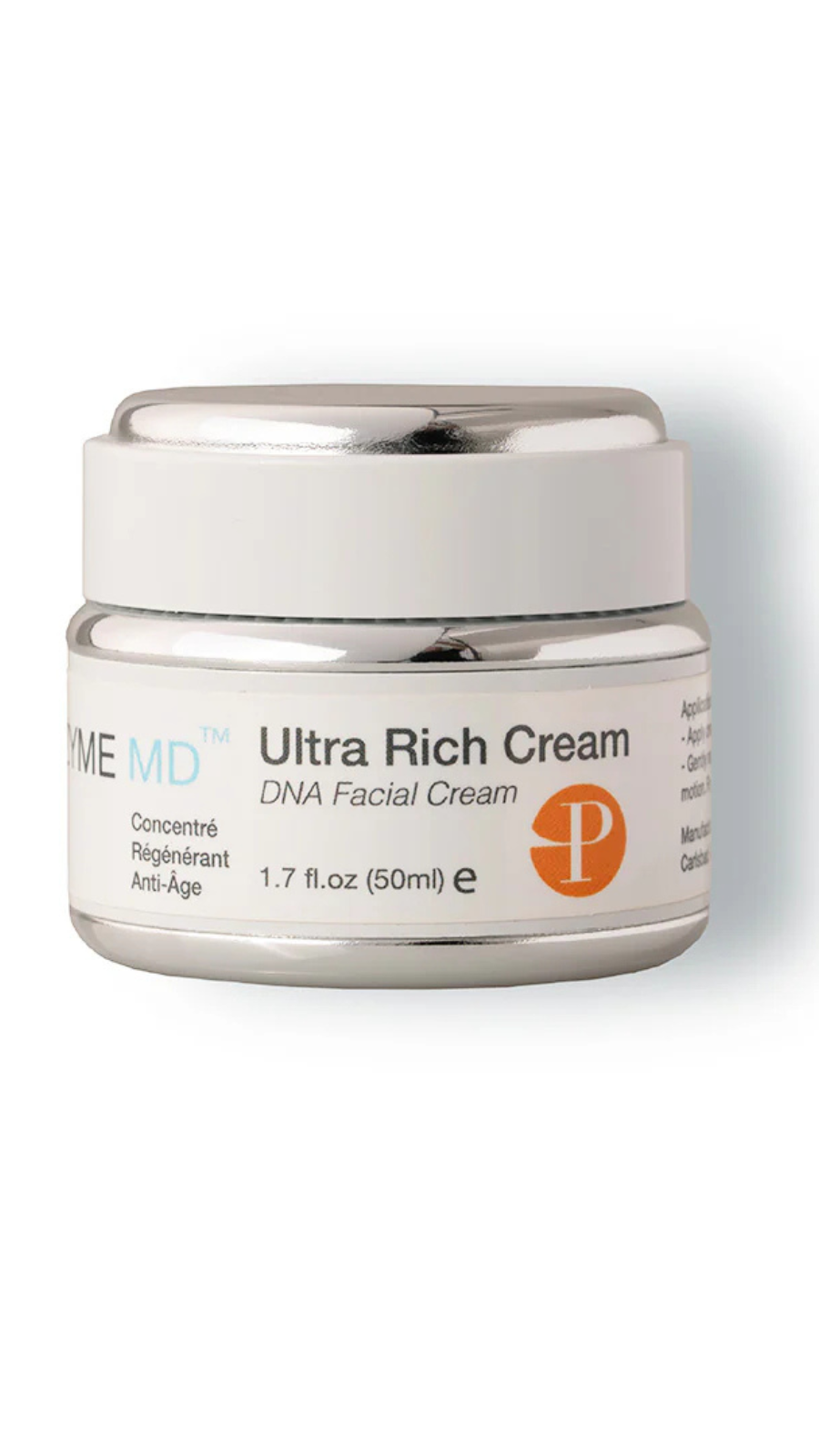
Achieving noticeable lift and firmness around the eyes is a methodical application informed by clinical research. Dermatologists recommend beginning with thoroughly cleansed skin to maximize absorption of active ingredients.
Use The Right Finger And Gentle Technique
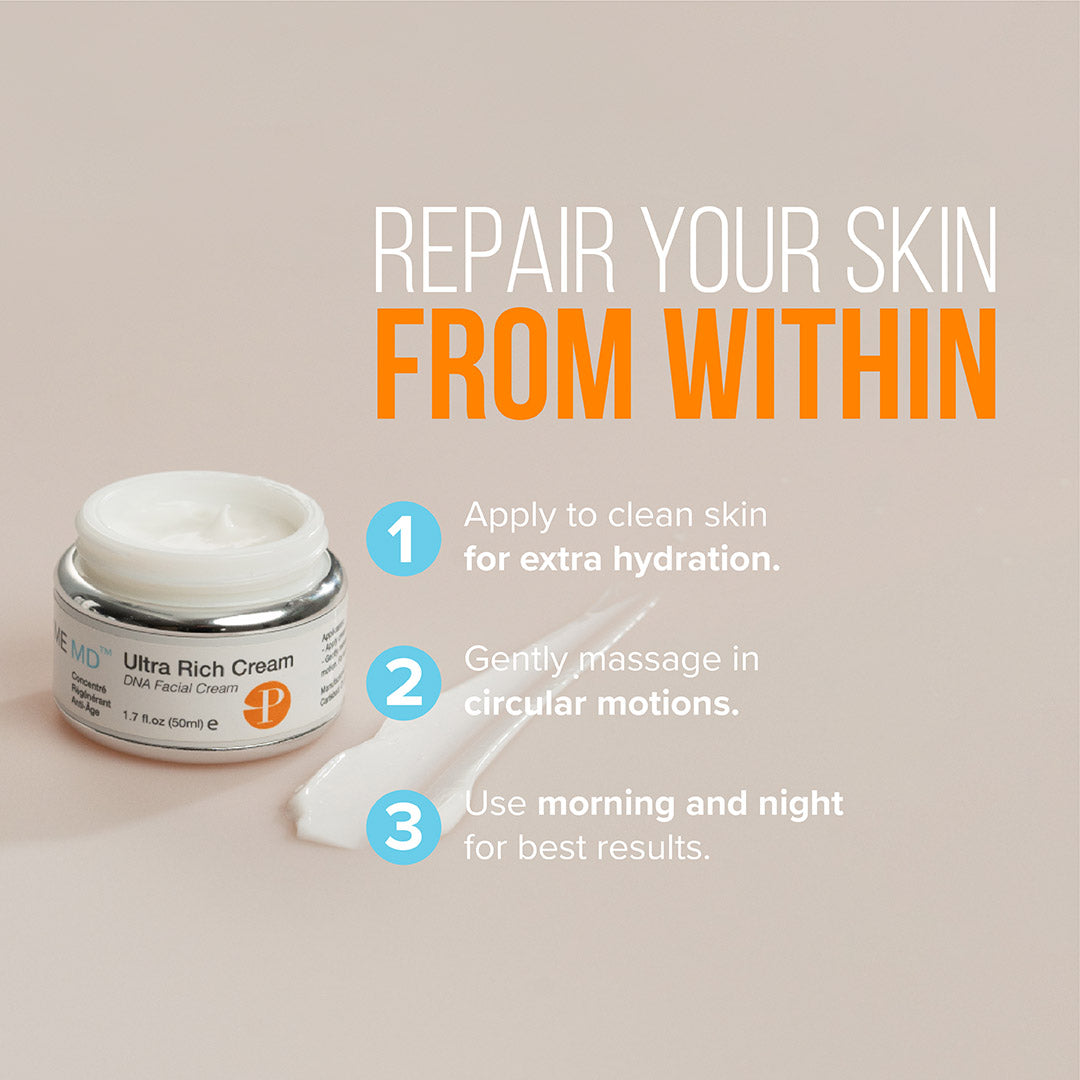
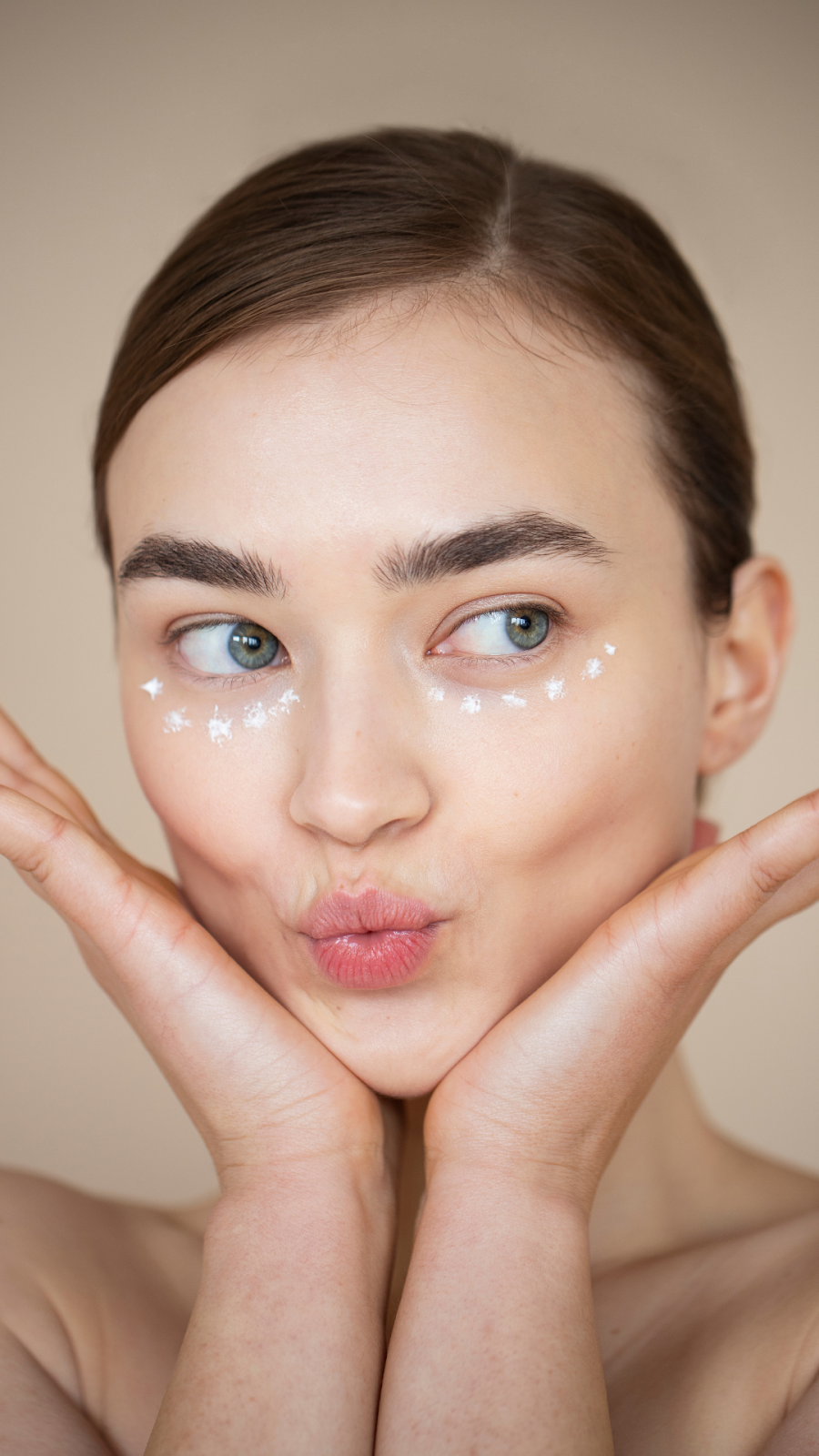
Apply a pea-sized amount using your ring finger, which naturally applies less pressure. Tap gently along the orbital bone outward from the inner corner to avoid tugging. This helps prevent long-term damage to the fragile periorbital skin.
Tap Along The Orbital Bone To Stimulate Circulation
Using a tapping motion rather than rubbing supports microcirculation and lymphatic drainage. This helps reduce puffiness and improves product penetration, making each application more effective.
Wait Before Layering Additional Products
Let the eye cream fully absorb before applying other skincare or makeup. This prevents pilling and preserves the integrity of the active ingredients, especially those responsible for lifting and tightening.
Protect During The Day With Dual Action
Daytime routines should pair your firming eye cream with a mineral-based, broad-spectrum sunscreen. This combination helps repair existing damage and shields against new UV-induced collagen breakdown.
Apply Actives At Night For Maximum Repair
Nighttime is ideal for formulas containing retinoids or DNA repair enzymes. Skin’s natural renewal processes peak during sleep, making this the best time to support firmness and elasticity at the cellular level.
Be Consistent And Don’t Overuse Product
Clinical results depend on consistent, twice-daily use. Avoid the mistake of over-applying; more isn’t better. Overuse can disrupt the skin barrier and reduce long-term benefits.
Personalize Your Routine With Expert Guidance
Every eye area is different. A skincare professional can help tailor your routine to your skin type and goals, ensuring you get the most out of each application with minimal risk of irritation.
How Long Does It Take To See Visible Tightening Results
Visible tightening around the eye area is a key indicator of a firming eye cream’s effectiveness. Clinically, many patients and professionals alike want to know when they can expect to see genuine improvements. The answer depends on biological factors and the sophistication of the ingredient technology.
Understanding The Timeline For Skin Repair And Tightening
Visible tightening around the eyes depends on your skin’s biology and how the ingredients in your firming cream interact with it. The skin’s natural repair cycle typically spans 28 to 40 days. During this time, formulas containing DNA repair enzymes, peptides, and antioxidants boost collagen and elastin production. As these structural proteins rebuild, firmness and contour gradually improve through cumulative use.
When To Expect Subtle Versus Pronounced Results
Most people notice early improvements, such as increased smoothness and firmness, within two to four weeks of consistent use. However, more significant lifting and tightening, like reduced crepiness or clearer eyelid contour, generally appear around the eight- to twelve-week mark. Regular, twice-daily application is essential to maintain momentum and maximize long-term results.
Factors That Influence Visible Progress Over Time
Your timeline may vary based on how advanced your photodamage is, your skin’s natural metabolic rate, and your adherence to skincare practices like sun protection. Using a clinically tested firming cream that targets DNA damage helps strengthen skin’s foundational health, supporting longer-lasting firmness and making your results more resistant to environmental aging triggers.
How To Monitor Progress And Maximize Results
To track changes accurately, work with a skincare professional who can evaluate progress and suggest adjustments. Whether you’re preventing early laxity or targeting advanced sagging, personalized feedback enhances the precision and impact of your firming regimen. With science-backed care and consistency, visible tightening becomes possible and sustainable.
Ingredient Red Flags That Accelerate Thin Skin Aging
When evaluating the efficacy and safety of any eye cream, scientific scrutiny of its ingredient list is paramount. Certain common ingredients, despite their popularity in over-the-counter formulas, can compromise the delicate structure of periorbital skin, ultimately accelerating the thinning and aging process.
- Alcohol Denat & High-Content Ethanol: While often used to impart a quick-dry, non-greasy finish, these alcohols can aggressively strip the skin’s protective lipid barrier. Over time, this leads to increased transepidermal water loss, dehydration, and a weakened dermal architecture, hallmarks of premature crepiness and fine lines.
- Harsh Surfactants (SLS/SLES): Sodium lauryl sulfate and its derivatives are frequently employed for their cleansing abilities but are notorious for their irritation potential. Chronic, low-level inflammation triggered by these detergents weakens skin resilience, particularly in the vulnerable eye area where epidermal layers are at their thinnest.
- Fragrances & Essential Oils: Synthetic and natural fragrances, including commonly used essential oils, are leading causes of contact sensitization and irritant dermatitis. Even in the absence of an overt allergic reaction, repeated micro-inflammatory responses disrupt skin repair mechanisms and accelerate collagen breakdown.
- Mineral Oil & Occlusive Petrolatum: Although effective at locking in moisture, heavy occlusives can impede natural cellular turnover and trap comedogenic debris, undermining the eye area’s natural regenerative processes.
- High-Concentration Retinoids & Acids: While retinoids and alpha hydroxy acids are gold standards for anti-aging, their inappropriate use, especially in non-buffered, high-strength formulas, can instigate irritation and barrier dysfunction, paradoxically hastening dermal thinning.
 Free Shipping on US Orders $50+
 60-Day Money-Back Guarantee
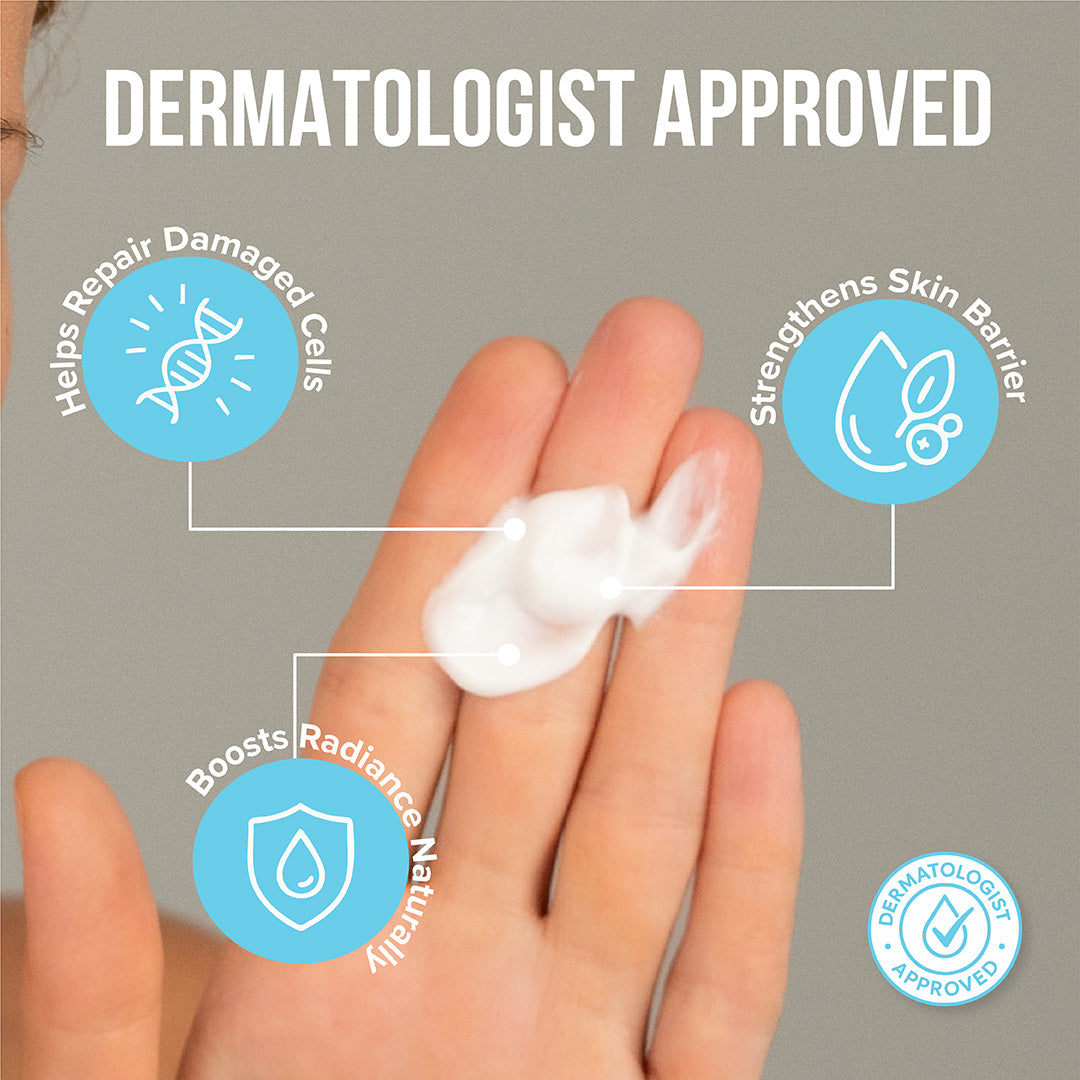
 Dermatologist-Approved