 Free Shipping on US Orders $50+
 60-Day Money-Back Guarantee
 Dermatologist-Approved






See how omega-3 and omega-6 build skin barrier strength, reduce inflammation, and how Photozyme's Omega 36 Body Complex delivers lasting support.
Key Takeaways:
- Omega Fatty Acids Are Structural, Not Supplementary: They build the lipid matrix that controls moisture retention and cellular-level barrier permeability.
- Omega-3 & Omega-6 Difference: Omega-3 reduces inflammation while omega-6 linoleic acid directly repairs the structural ceramide deficiency driving barrier dysfunction.
- Topical & Dietary Sources Work Through Different Pathways: Combining both delivers more comprehensive skin support than relying on either approach alone.
Omega fatty acids are the structural lipids your skin barrier is built from, and when levels fall short, dryness, reactivity, and compromised moisture retention follow, regardless of how consistently you moisturize.
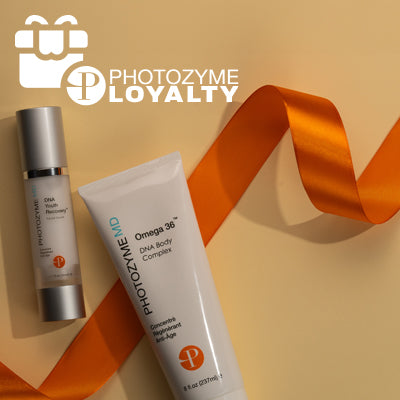
At Photozyme, we develop formulations that address this at the structural level. Our Omega 36 Body Complex delivers omega-3 and omega-6 fatty acids alongside DNA repair enzymes and antioxidants, targeting the barrier lipid deficiency and UV-induced cellular damage that standard body moisturizers leave unaddressed.
Below, we cover what omega fatty acids for skin actually do, how omega-3, omega-6, and omega-9 differ, their role in inflammation and aging, and what to look for when choosing a product.
What Omega Fatty Acids Are And How They Work In Skin
Omega fatty acids are structural components of skin biology, not just supplementary ingredients. Understanding their role explains why their absence creates specific and recognizable problems.
What Makes Omega Fatty Acids Essential
Omega fatty acids are polyunsaturated fats that the body cannot synthesize on its own, making dietary and topical supply the only way to maintain adequate skin levels. They serve as primary building blocks of the phospholipid membranes surrounding every skin cell and as key structural components of the stratum corneum lipid matrix, which regulates moisture retention and barrier permeability.
Why Your Barrier Needs Omega Acids
When omega fatty acid content falls short, the lamellar structure between corneocytes becomes disorganized, increasing permeability to irritants and accelerating transepidermal water loss. This disorganization is the structural basis for the dryness, reactivity, and sensitivity that characterize omega-deficient skin.
Two Delivery Pathways, One Stronger Barrier
Dietary omega fatty acids incorporate into cell membrane phospholipids throughout skin tissue, while topical application delivers fatty acids directly to the stratum corneum. Combining both routes produces more comprehensive support than either approach achieves independently.

The Difference Between Omega-3, Omega-6, And Omega-9 For Skin
Each omega fatty acid type contributes through distinct mechanisms. Understanding their individual roles prevents the assumption that any omega source provides the same skin benefits.
Omega-3 For Skin: Anti-Inflammatory And Barrier Support
Omega-3 fatty acids exert potent anti-inflammatory effects by competing with arachidonic acid for enzymes that produce inflammatory mediators. They also incorporate cell membrane phospholipids, improving membrane fluidity and cellular communication. For skin experiencing chronic redness or reactivity, omega-3 fatty acids address the biological cause at the cellular level rather than managing surface symptoms.
Omega-6 For Barrier Lipid Organization
Linoleic acid is a direct structural component of ceramides in the stratum corneum. Linoleic acid deficiency causes barrier dysfunction by altering ceramide structure, preventing the formation of the organized lamellar layers required for effective permeability control. Topical linoleic acid corrects this structural deficiency in ways that oleic acid cannot replicate.
Why The Omega-3 And Omega-6 Ratio Matters
Omega-3 and omega-6 compete for the same enzymatic pathways, with omega-6 driving pro-inflammatory mediators and omega-3 driving anti-inflammatory ones. A high omega-6 to omega-3 ratio increases inflammatory reactivity, while a more balanced ratio supports the calmer, more resilient barrier response that protects against reactive episodes.
The Role Of Omega Fatty Acids In Reducing Skin Inflammation
Chronic skin inflammation drives barrier dysfunction, premature aging, and persistent reactivity. Omega fatty acids address the biological mechanisms of this inflammation rather than simply calming its surface manifestations.
How Omega Fatty Acids Modulate Inflammatory Pathways
Omega-3 fatty acids are converted into resolvins and protectins, specialized mediators that actively terminate inflammatory responses rather than simply suppressing their initiation. This resolution mechanism produces a more complete normalization of the skin's inflammatory status rather than partial suppression that resumes when treatment stops.
Inflammation As A Driver Of Accelerated Skin Aging
Chronic low-grade skin inflammation degrades collagen networks, accelerates the oxidation of barrier lipids, and impairs cellular repair. Omega fatty acids that reduce this inflammatory tone contribute to slower structural aging by addressing one of its primary drivers. For broader facial anti-aging support alongside body care, pairing consistent omega application with anti aging skincare products creates a more complete defense against UV damage.
Omega Fatty Acids And Reactive Skin Conditions
Conditions such as eczema, rosacea, and seborrheic dermatitis all involve abnormalities in omega fatty acid metabolism. While topical omega fatty acids do not treat these conditions clinically, addressing the barrier lipid deficiency component reduces the severity and frequency of reactive episodes by improving the structural foundation that controls irritant penetration and inflammatory trigger access.

How Omega Fatty Acids Affect Skin Aging And Collagen Health
The omega fatty acids skin benefits for aging skin extend beyond barrier support into collagen maintenance and cellular repair processes that determine how skin ages structurally.
Protecting Existing Collagen From Oxidative Degradation
Omega-3 fatty acids reduce oxidative stress, which activates matrix metalloproteinases, the enzymes that break down collagen networks in the dermis. By lowering the inflammatory and oxidative environment that triggers these enzymes, consistent omega fatty acid supply reduces the rate of collagen degradation that accumulates with UV exposure and aging.
For mature skin managing structural decline in the periorbital area, selecting the best eye cream for mature skin rounds out a routine built to support collagen integrity from every structural angle. Got questions about eye cream before or after moisturizer? Ensure targeted treatment reaches the skin without interference from heavier hydrators.
Supporting Cell Membrane Integrity In Aging Skin
As skin ages, cell membrane fluidity decreases. Omega fatty acid incorporation into membrane phospholipids maintains fluidity and supports receptor function, allowing skin cells to respond appropriately to repair signals and influencing how effectively aging skin utilizes growth factors and repair mechanisms that diminish over time.
What To Look For In An Omega Fatty Acid Skincare Product
The omega fatty acids skin benefits a product can deliver depend on formulation decisions that go well beyond the omega label:
- Linoleic Acid As A Primary Omega-6 Source: Formulations using oils with high linoleic acid content correct barrier ceramide structure directly. Oleic acid-dominant oils provide emolliency without the same structural repair function that linoleic acid delivers specifically.
- Omega-3 & Omega-6 Together: The most effective formulations deliver both fatty acid types rather than a single omega source, addressing barrier structural deficiency and inflammatory tone simultaneously through complementary mechanisms.
- Complementary Active Ingredients: DNA repair enzymes, antioxidants, and ceramides each enhance the barrier-supportive effects that omega fatty acids confer, without duplicating their specific mechanisms in the same formulation.
- Fragrance-Free Formulation: For compromised barriers, fragrance introduces a sensitization risk that works against the repair the fatty acids are achieving. Application order matters in these routines as well: reference serum before or after moisturizer guidance when incorporating omega-rich serums so each active can fully deliver.
- Stable Packaging That Prevents Oxidation: Polyunsaturated fatty acids oxidize when exposed to light and air, converting into pro-inflammatory compounds. Opaque, airless, or pump packaging preserves stability and ensures the product delivers its intended benefit throughout its use period.

Final Thoughts
Omega fatty acids address skin health at the structural level most ingredients cannot reach, rebuilding the barrier lipid matrix and reducing the chronic inflammation that drives both persistent dryness and accelerated aging.
At Photozyme, our Omega 36 Body Complex delivers dual fatty acid support alongside DNA repair enzyme technology and antioxidants, creating a body care foundation grounded in cellular biology. Your skin barrier has specific structural needs. Our formulations are built to meet them.
Frequently Asked Questions About Omega Fatty Acids For Skin
Can omega fatty acids help with eczema-prone skin?
They reduce barrier lipid deficiency and inflammatory reactivity associated with eczema, though they do not clinically treat the condition itself.
How quickly do omega fatty acids improve skin barrier function?
Consistent topical application typically produces measurable barrier improvement within two to four weeks when applied daily to affected areas.
Is the Omega 36 Body Complex suitable for sensitive skin?
Yes. Its fragrance-free formulation, enriched with omega fatty acids, DNA repair enzymes, and antioxidants, supports barrier repair without introducing sensitizing ingredients.
Can omega fatty acids be used on the face as well as the body?
Yes, though facial formulations should be specifically designed for facial skin's sebaceous density and sensitivity thresholds rather than repurposing body products.
Do omega fatty acids clog pores on oily skin?
Linoleic acid-rich formulations are generally non-comedogenic and may actually help normalize sebum composition in oily skin prone to congestion.
How do DNA repair enzymes complement omega fatty acids in the same product?
Omega fatty acids restore structural barrier lipids while DNA repair enzymes correct the UV-induced cellular damage, impairing the barrier's own lipid production capacity.
Sources:
- Angelo, G. (2012, February). Essential fatty acids and skin health. Linus Pauling Institute, Oregon State University. https://lpi.oregonstate.edu/mic/health-disease/skin-health/essential-fatty-acids
- Hjalmarsdottir, F. (2025, February 19). 17 science-based benefits of omega-3 fatty acids. Healthline. https://www.healthline.com/nutrition/17-health-benefits-of-omega-3


