Under-eye bags are rarely caused by a single factor. Understanding the biological and lifestyle drivers behind puffiness and volume loss helps you choose targeted solutions rather than generic skincare that delivers little measurable change.
The Role Of Fluid Retention In Puffiness
The skin beneath the eyes is structurally thinner than anywhere else on the face, with less underlying fat and fewer sebaceous glands to support barrier function. This thinness makes it particularly vulnerable to fluid accumulation. When lymphatic drainage slows due to sleep position, sodium intake, or circulatory changes, fluid pools in this delicate tissue, creating the swollen appearance most people associate with under-eye bags. The role of impaired lymphatic and venous drainage in periorbital edema is well documented in clinical literature (Ophthalmic Plastic and Reconstructive Surgery, 2010). This puffiness tends to be most visible in the morning and gradually improves as movement and circulation support drainage throughout the day.
Fat Pad Displacement And Structural Aging
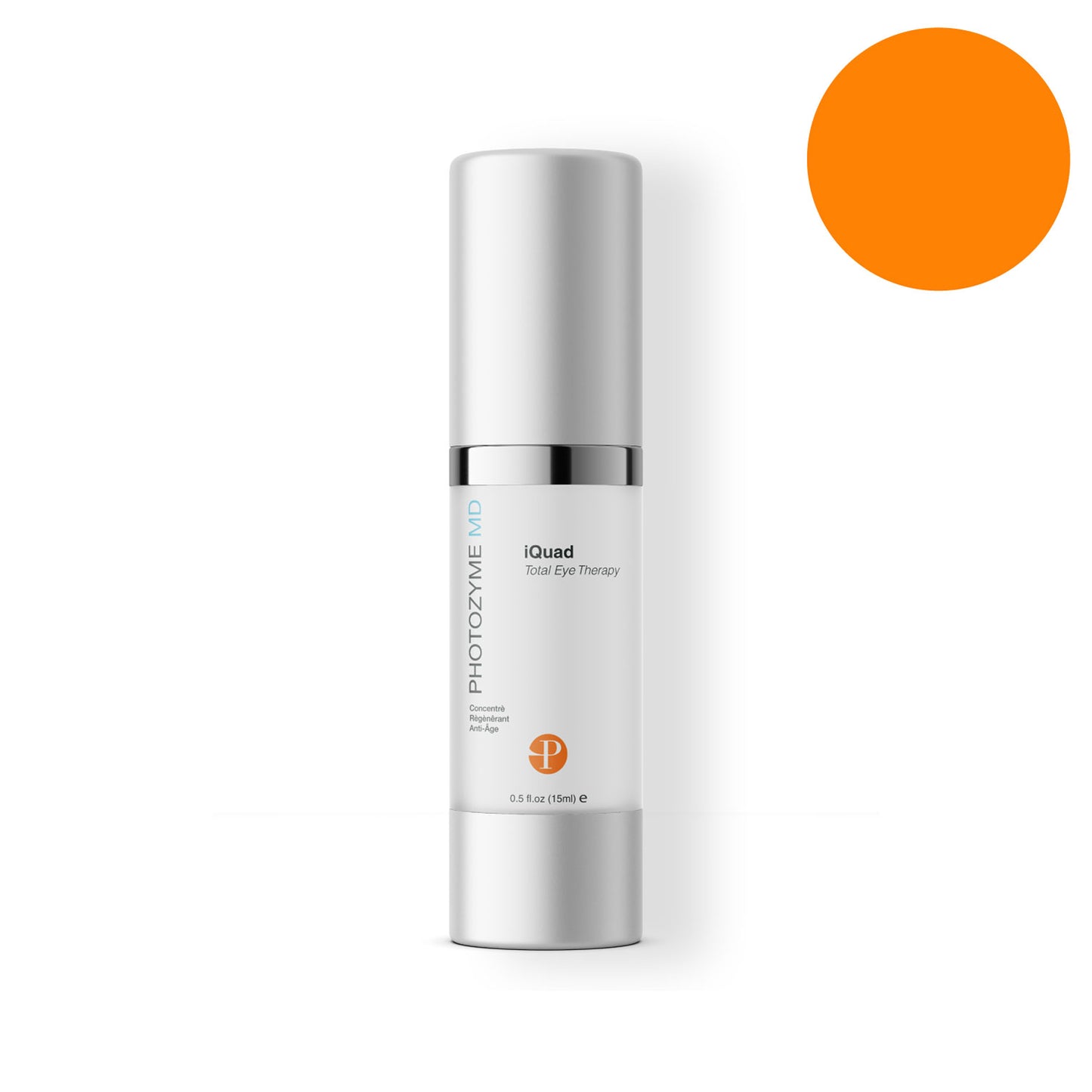
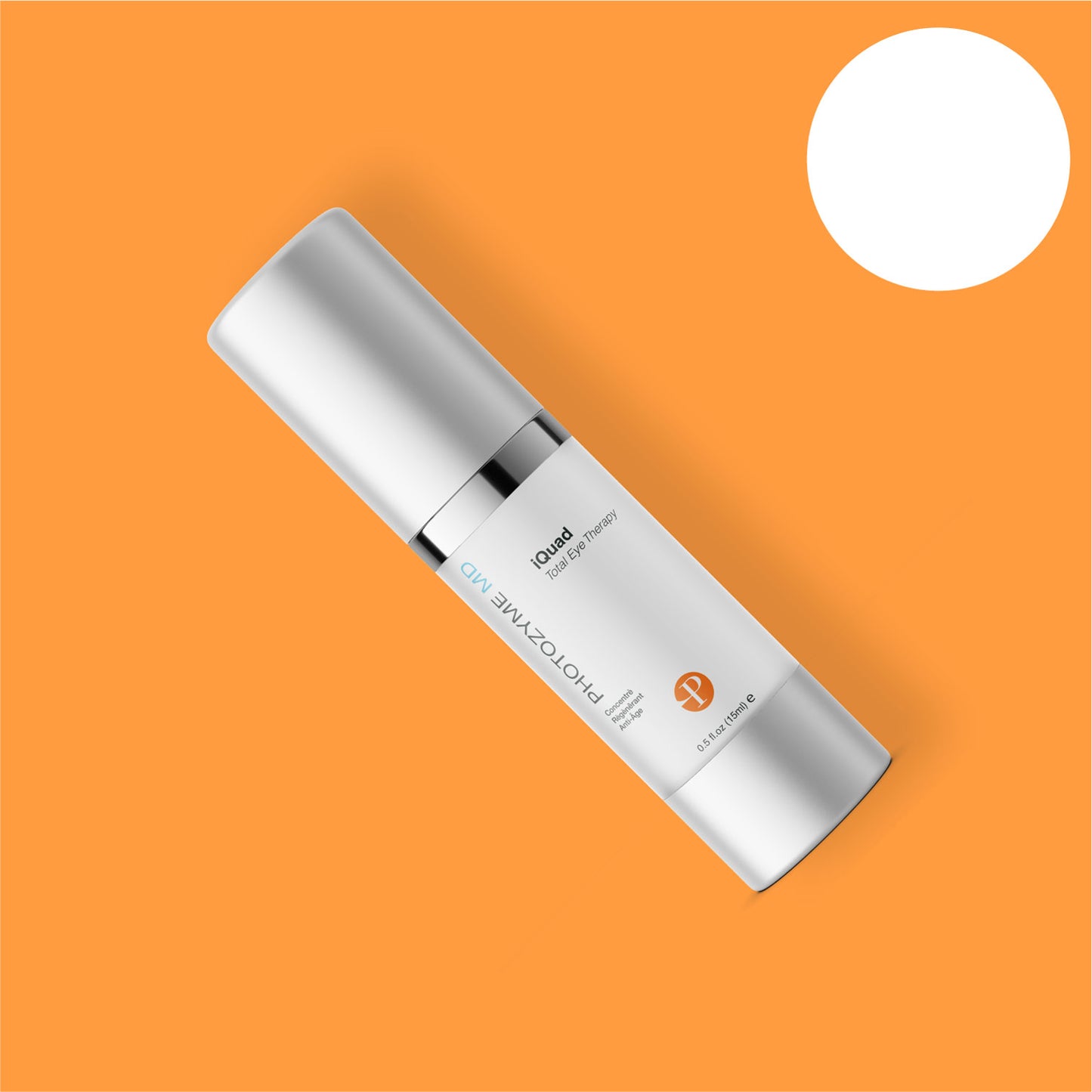
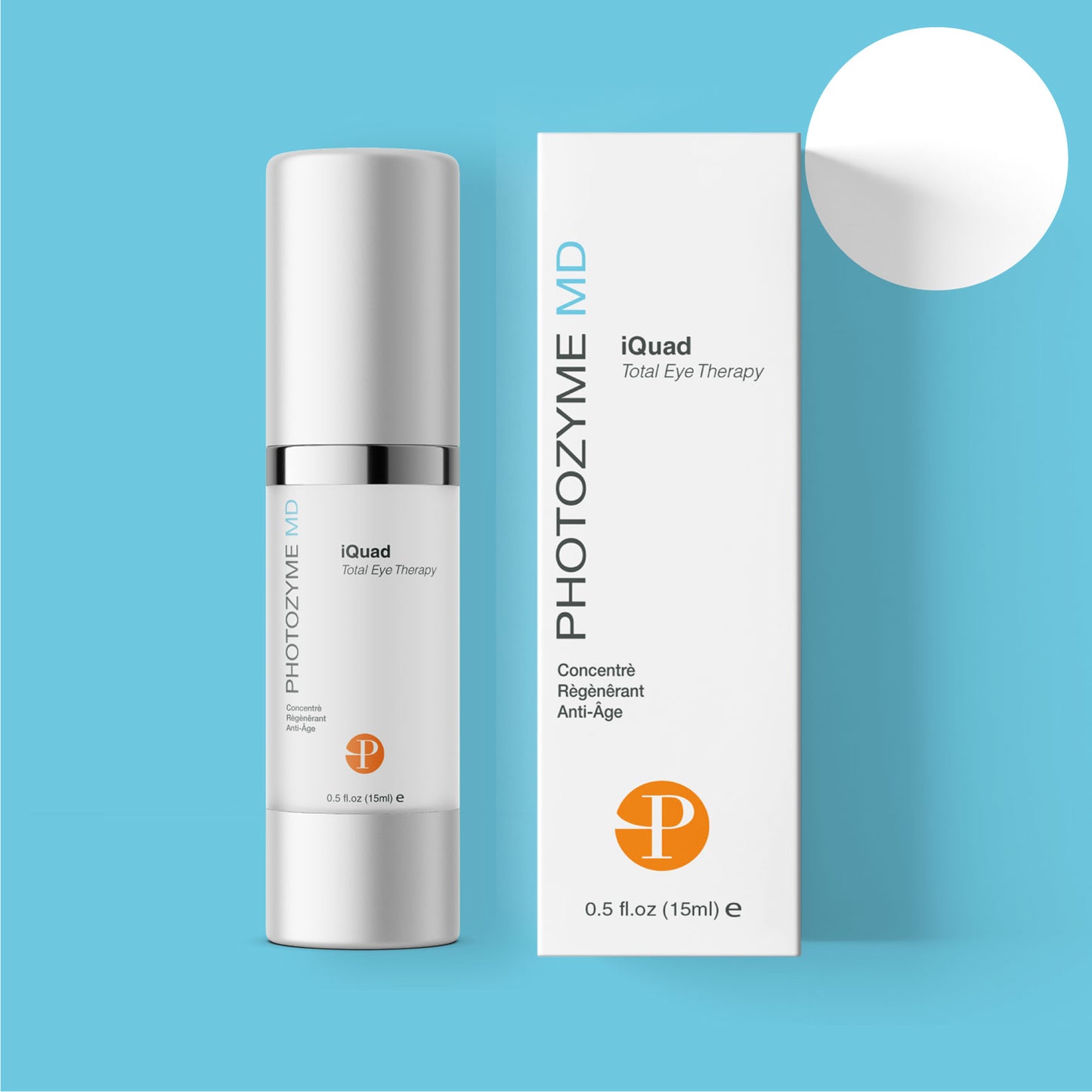
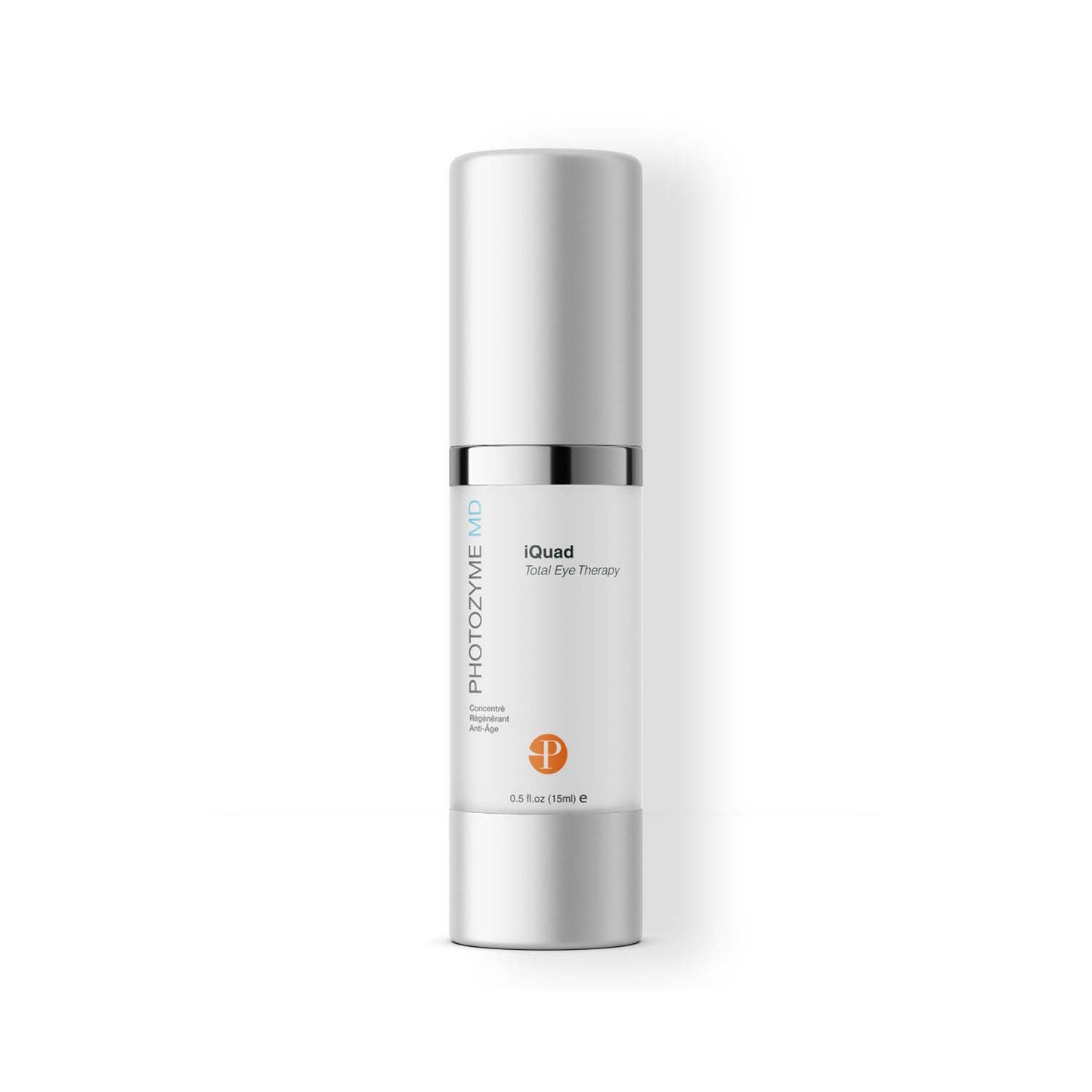
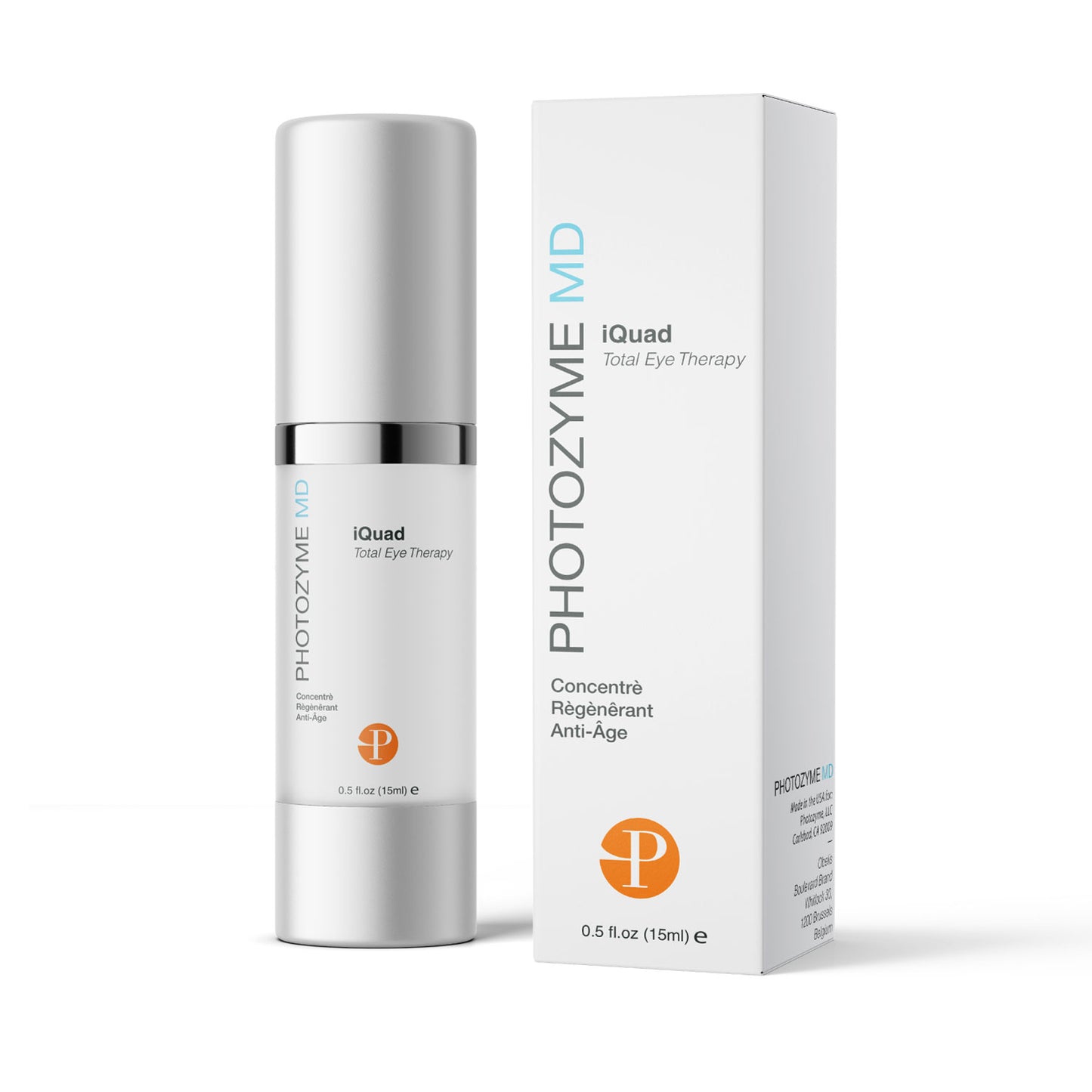
Not all under-eye bags are caused by fluid. As skin ages, the orbital fat pads that cushion the eye shift forward due to weakening ligaments and connective tissue. This displacement creates a permanent-looking fullness that doesn't resolve with rest or hydration. Unlike fluid-related puffiness, fat pad displacement requires ingredients targeting collagen support, dermal density, and skin firmness rather than simply reducing inflammation or encouraging drainage. Our iQuad eye cream is formulated specifically for this kind of multi-factor periorbital concern.
Collagen Decline And Skin Laxity
Collagen and elastin provide the structural scaffolding that keeps the under-eye area firm and resilient. As production slows with age and UV exposure accelerates degradation, the skin loses its ability to maintain tension. This laxity allows both fat and fluid to become more visually prominent, as the skin no longer has the density to conceal what lies beneath it. Addressing this requires active collagen support and consistent protection against further UV-induced breakdown. For more on how periorbital laxity connects to fine lines, see our guide on the Best Under Eye Cream For Wrinkles.
UV Damage And Genetic Predisposition
Sun damage triggers inflammatory pathways that accelerate collagen breakdown in the periorbital area, worsening both laxity and discoloration. UV radiation induces matrix metalloproteinase expression, which progressively degrades dermal collagen and elastin, a mechanism extensively reviewed in photoaging research (Journal of Clinical Medicine, 2021). Genetic factors further influence how visibly this appears. Individuals with naturally thin periorbital skin or high vascular density show puffiness and discoloration more readily, while melanin-rich skin tones are more prone to hyperpigmentation that intensifies the visual appearance of bags even when structural changes are minimal. For more on the relationship between pigmentation and periorbital aging, see our guide on What Causes Dark Circles Under Eyes.
Core Ingredients That Make A Difference For Eye Bags
The ingredients in your under-eye bag cream determine whether you're addressing the actual causes of puffiness and volume loss or simply masking them temporarily.
These are the actives with meaningful, evidence-supported roles in under-eye improvement. Our iQuad eye cream combines DNA repair enzymes, hyaluronic acid, antioxidants, and peptides in a single periorbital formulation designed to address multiple causes of under-eye bags simultaneously. For a broader breakdown of the full ingredient landscape, see our guide to the Best Ingredients To Look For In An Eye Cream:
- Hyaluronic Acid: Draws water into the periorbital tissue, plumping the surface and softening fine lines and dehydration-related hollowing. Most effective when applied to slightly damp skin to maximize moisture binding.
- DNA Repair Enzymes: Target UV-induced cellular damage in the under-eye area, supporting the skin's natural repair mechanisms and reducing cumulative photodamage that accelerates structural thinning and collagen degradation.
- Retinol: Stimulates fibroblast activity to support new collagen and elastin production, improving dermal density and firmness over consistent use. Lower concentrations or encapsulated delivery are recommended for the periorbital area.
- Antioxidants: Neutralize free radicals from UV exposure and environmental stress that accelerate collagen breakdown and increase inflammatory pigmentation. Vitamin C and ferulic acid combinations provide strong protection in this area.
- Ceramides & Fatty Acids: Reinforce barrier function of the thin under-eye skin, reducing transepidermal water loss and maintaining the hydration levels necessary for the area to appear smooth rather than crepey.




 Free Shipping on US Orders $50+
 60-Day Money-Back Guarantee
 Dermatologist-Approved