Rosacea is not simply sensitive skin. It involves specific vascular, neural, and barrier abnormalities that make standard moisturizer formulations problematic in ways that go beyond fragrance sensitivity alone.
The Barrier Dysfunction At The Core Of Rosacea
Research consistently shows that rosacea skin has measurably lower ceramide content and higher transepidermal water loss than non-rosacea skin. This structural barrier deficiency allows environmental triggers, topical ingredients, and temperature changes to reach the sensory nerves and immune cells beneath the stratum corneum more easily, lowering the threshold for the vascular dilation and inflammatory responses that produce visible flushing and redness. Addressing this barrier deficiency is the most evidence-supported topical intervention for reducing rosacea reactivity over time.
For a broader understanding of how skin care products interact with sensitive and reactive skin, Skin Care for Sensitive Skin covers the principles that apply directly to rosacea management.
Why Most Moisturizers Trigger Flares
Standard moisturizers often contain fragrance, essential oils, alcohol, menthol, or high concentrations of preservatives, all of which are common rosacea triggers. Even products marketed as natural or gentle often contain plant-derived essential oils that can provoke vascular reactivity in rosacea-prone skin. The best face moisturizer for rosacea is fragrance-free, alcohol-free, and free of any components with known vasodilatory or sensitizing properties, whether synthetic or plant-derived.
The Role Of UV Damage In Rosacea Progression
Accumulated UV exposure worsens rosacea over time by inducing DNA mutations in skin cells that impair lipid barrier production, increase vascular permeability, and intensify the chronic inflammatory state that characterizes the condition. Sun protection is the most consistently recommended intervention for preventing rosacea progression, and daily SPF use on rosacea skin is as critical as any topical treatment.
Those building a sun-protection approach for reactive skin can browse our best sunscreen for sensitive skin collection for formulations suited to rosacea's specific tolerability needs.
Neurogenic Inflammation And Product Sensitivity
Rosacea involves heightened cutaneous neural sensitivity, leading to burning or stinging sensations from products that cause no discomfort on non-rosacea skin. This neurogenic component explains why rosacea skin stings from even well-formulated products during flares, when neural sensitization is at its highest. Applying moisturizer to slightly damp skin rather than completely dry skin after cleansing reduces the stinging that product application can cause on actively sensitized rosacea skin.
 Free Shipping on US Orders $50+
 60-Day Money-Back Guarantee
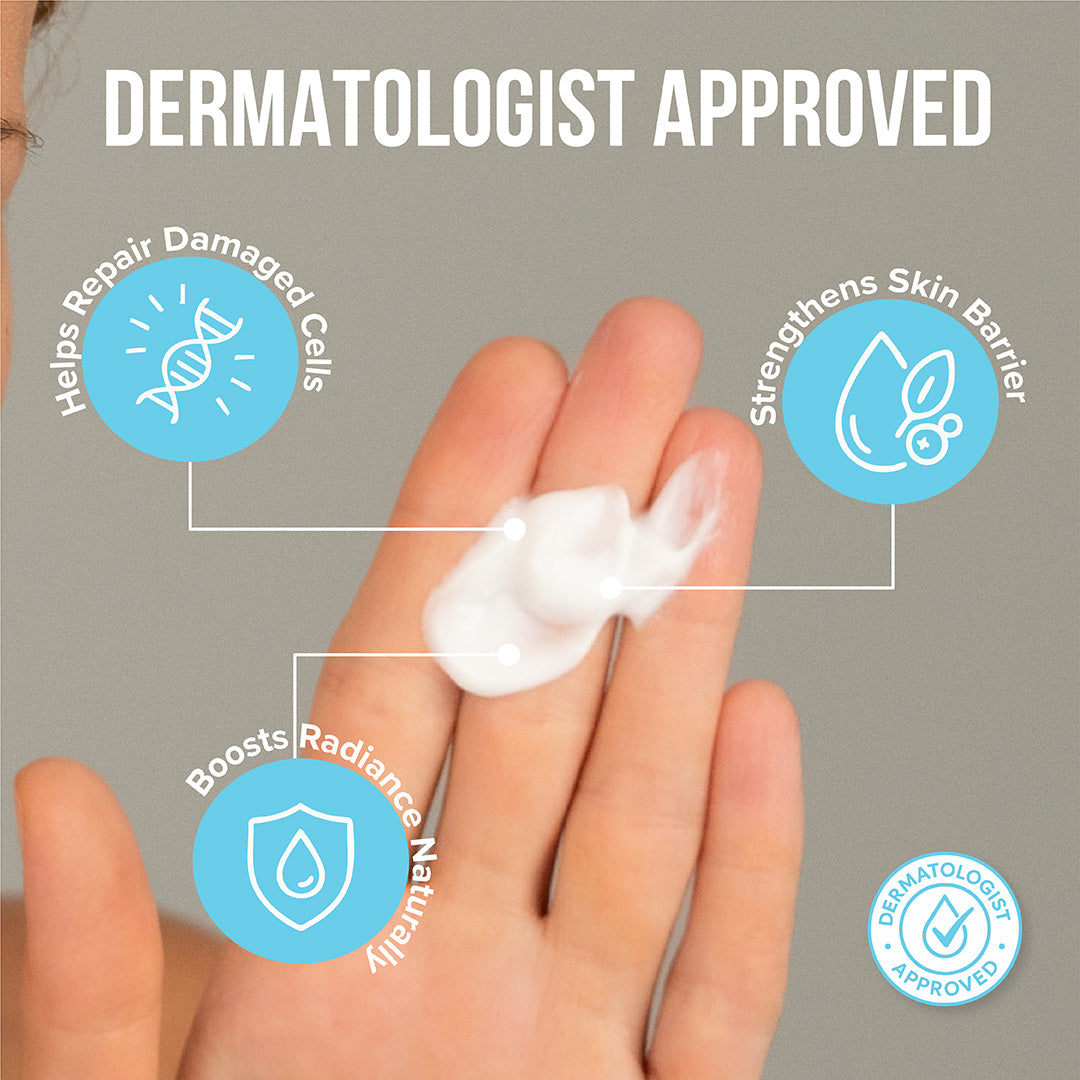
 Dermatologist-Approved