Dry skin and dehydrated skin are often treated as the same condition, but they have distinct causes that require different solutions. Getting this distinction right is the first step toward building a routine that actually addresses what your skin needs.
What Defines Dry Skin As A Skin Type
Dry skin is a genetic skin type characterized by insufficient sebaceous gland activity, producing less oil than average. This makes the lipid barrier structurally thinner and less effective at retaining moisture, leading to chronic roughness, flakiness, and tightness that persist regardless of climate or lifestyle. It requires consistent, long-term support through formulations that compensate for this lipid deficiency.
What Makes Dehydration Different
Dehydrated skin lacks water, not oil, and it can affect any skin type, including oily skin. It presents as fine surface lines, a dull complexion, and persistent tightness even after moisturizer application. Unlike dry skin, dehydration is a temporary condition triggered by low humidity, excessive cleansing, UV exposure, or insufficient water intake, and it is fully reversible with the right approach.
Why Dry Skin Is Particularly Prone To Dehydration
Dry skin's compromised lipid barrier allows water to escape more quickly than other skin types. This means dry skin frequently experiences both conditions simultaneously. A dry skin serum that addresses humectant delivery alongside barrier reinforcement is more effective than one targeting either mechanism in isolation, as both the oil deficiency and the resulting water loss need to be managed together.
What To Look For In A Serum Built For Dry Skin
A serum formulated for dry skin should do more than temporarily soften the surface. The criteria that separate a genuinely effective formulation from a superficially pleasant one come down to ingredient function, delivery depth, and how well the product supports the skin's structural deficiencies over time.
Multi-Level Hydration Delivery
The most effective serum for dry skin contains humectants that work simultaneously at multiple skin depths. High-molecular-weight hyaluronic acid creates a moisture-retaining film at the surface while low-molecular-weight versions penetrate deeper layers to support structural hydration from within. This multi-depth approach addresses both the immediate surface tightness that dry skin experiences and the longer-term cellular water balance that supports barrier repair and resilience. For a broader overview of how hydrating serums work across all skin types, see our guide to Hydrating Serum For Face.
Barrier-Supporting Ingredients Alongside Humectants
A serum that only attracts moisture without supporting the barrier structures that retain it delivers temporary improvement at best. For dry skin, look for formulations that pair humectants with ceramides, fatty acids, or niacinamide that reinforce the lipid matrix between skin cells. This combination ensures that the moisture attracted by humectants is retained rather than evaporating back through a compromised barrier, resulting in more sustained hydration improvements with consistent use.
Active Repair Mechanisms For Compromised Skin
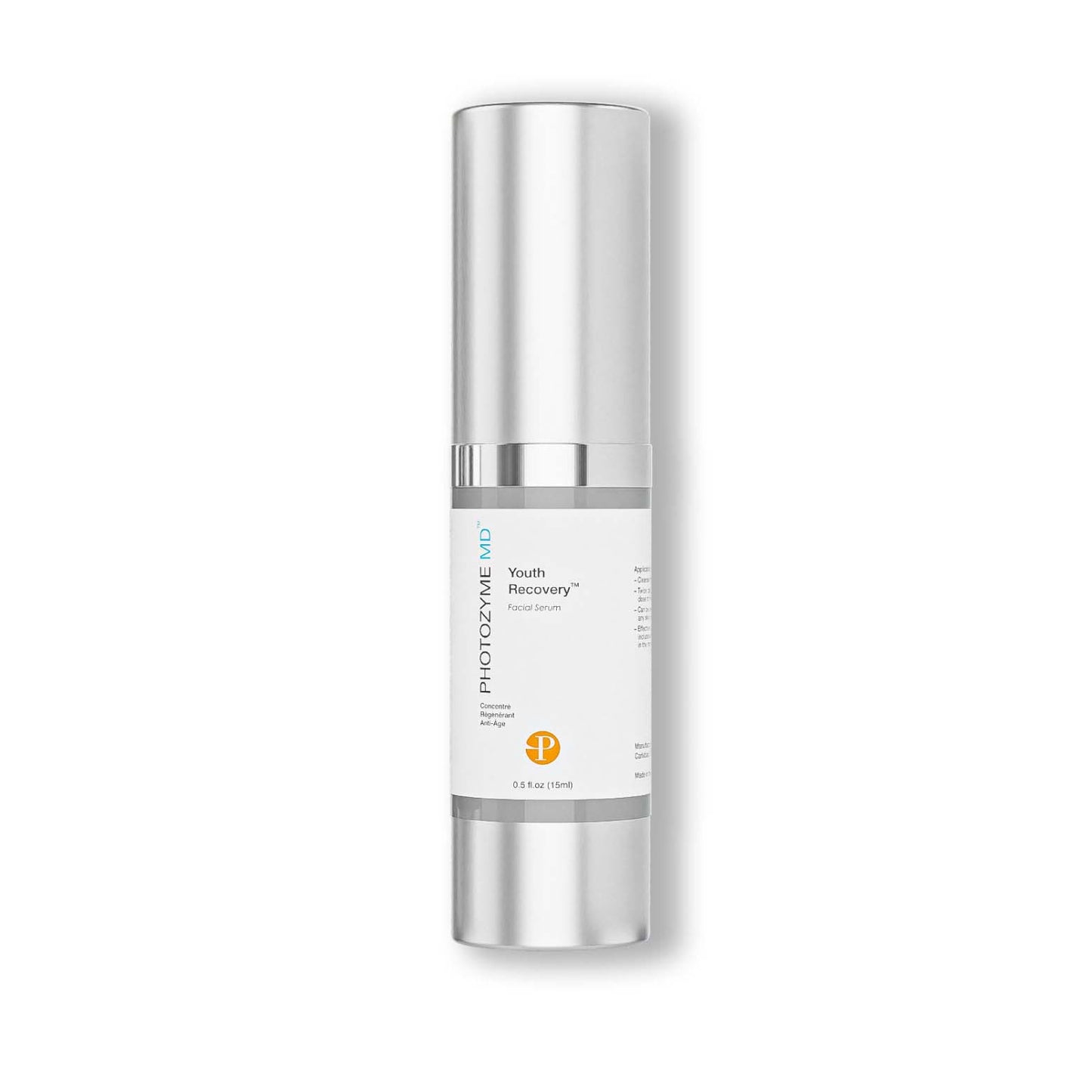
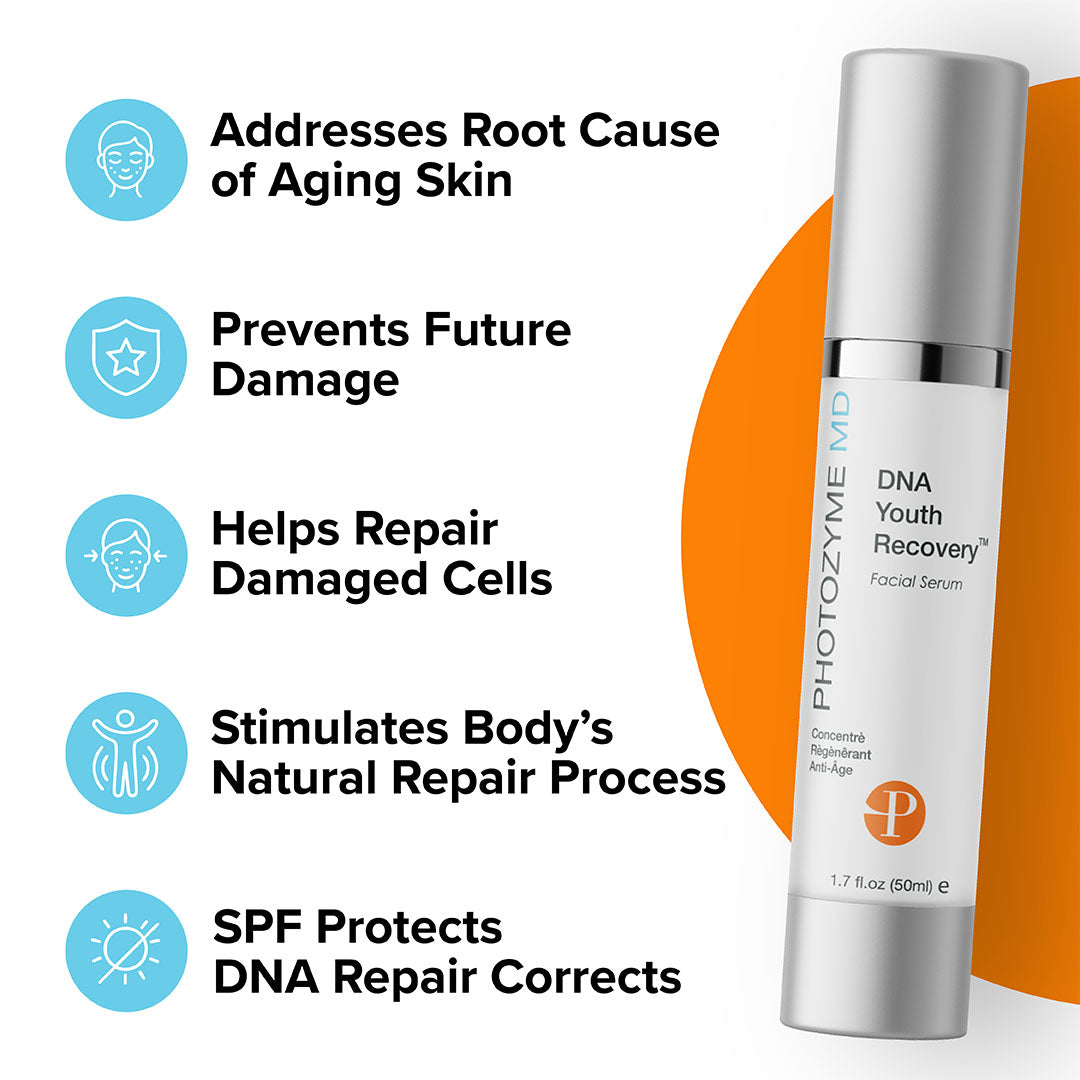
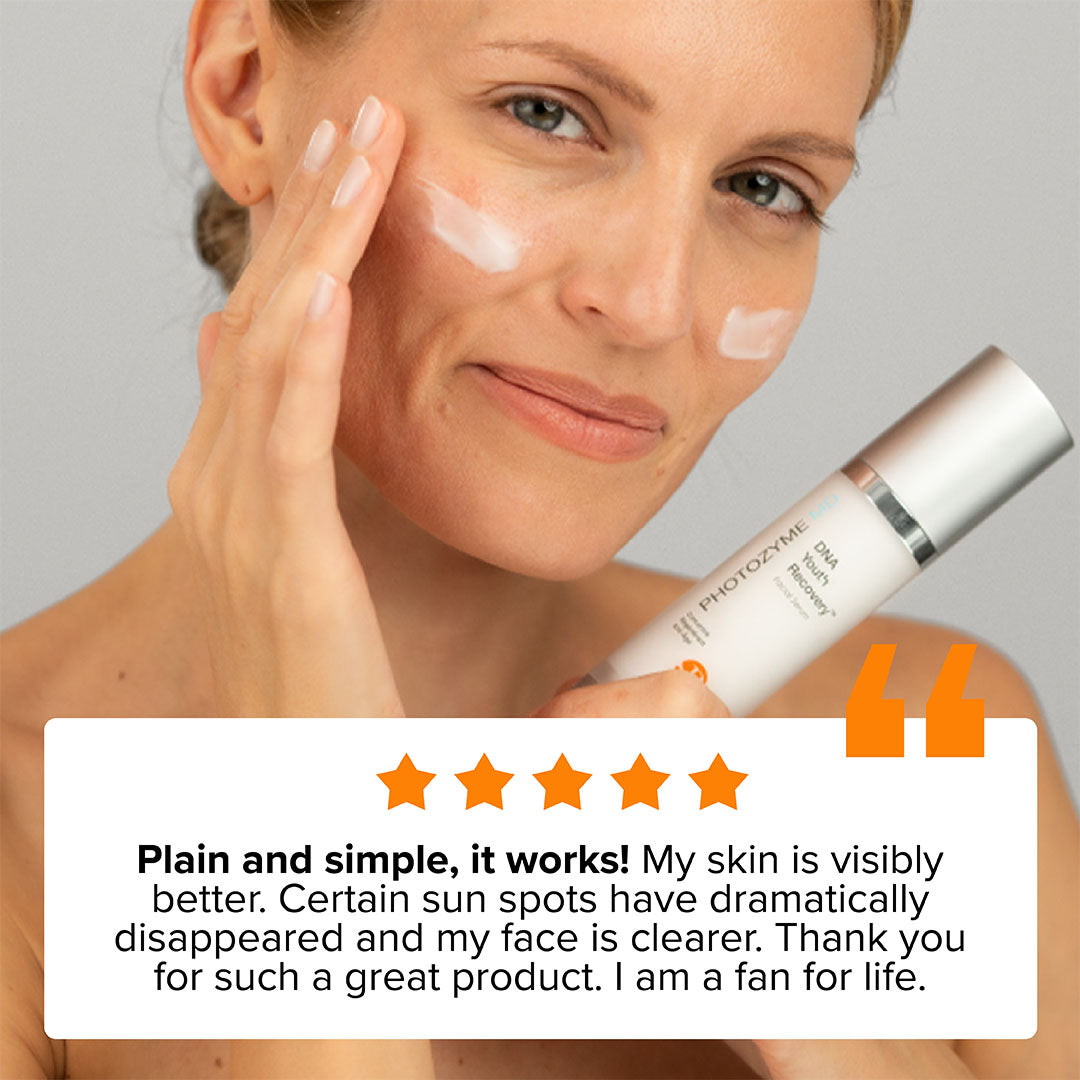
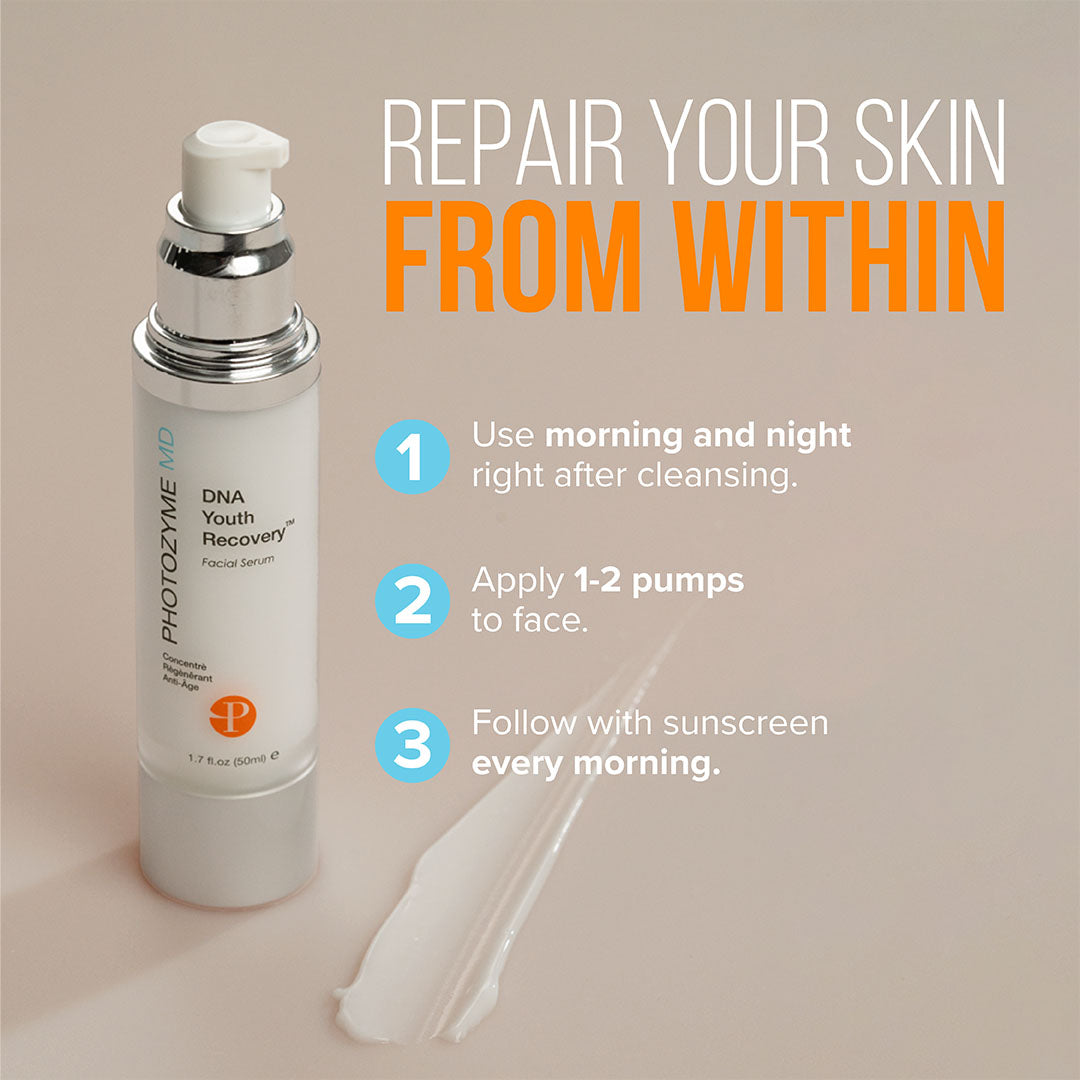
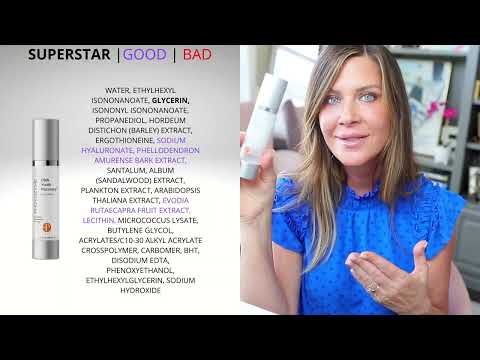
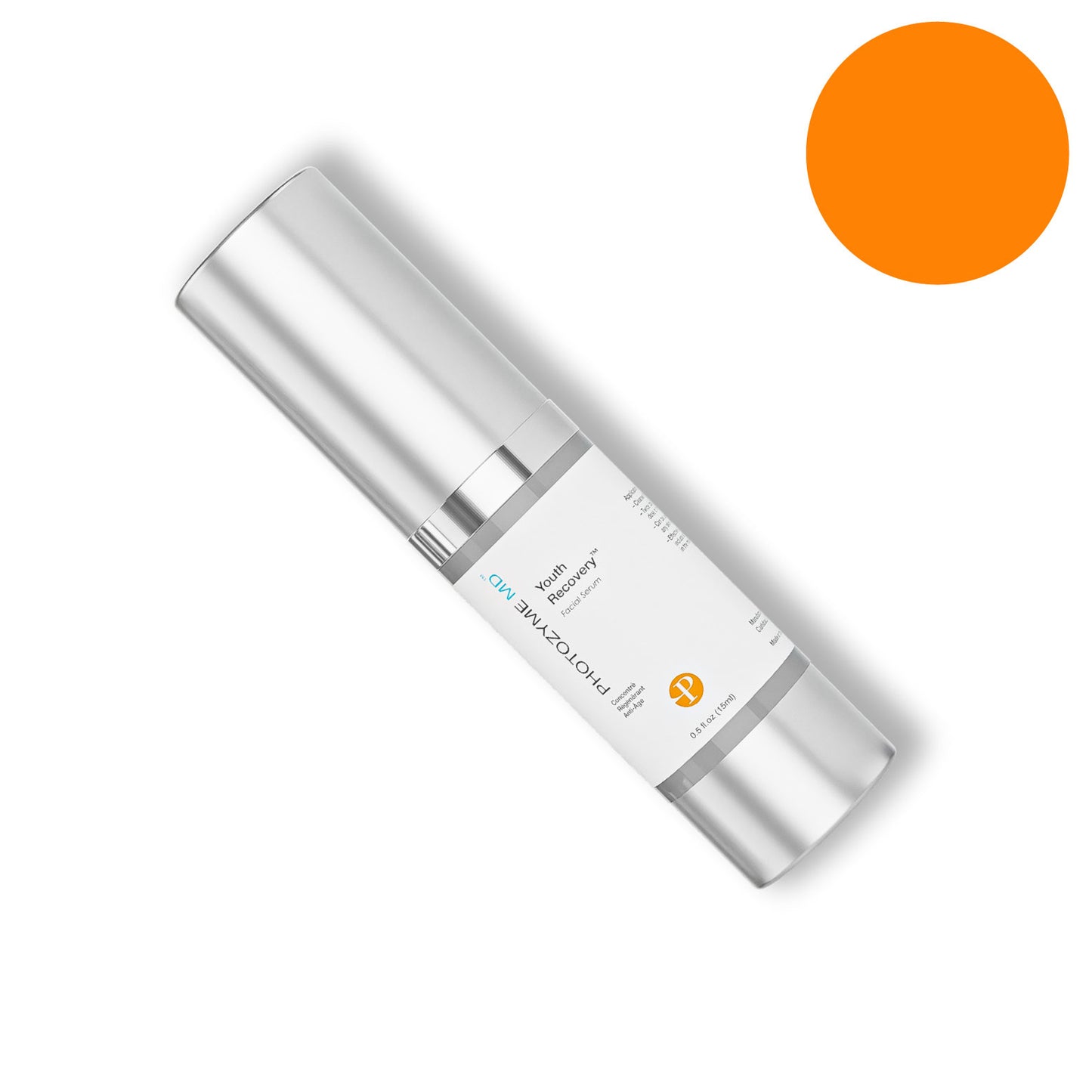
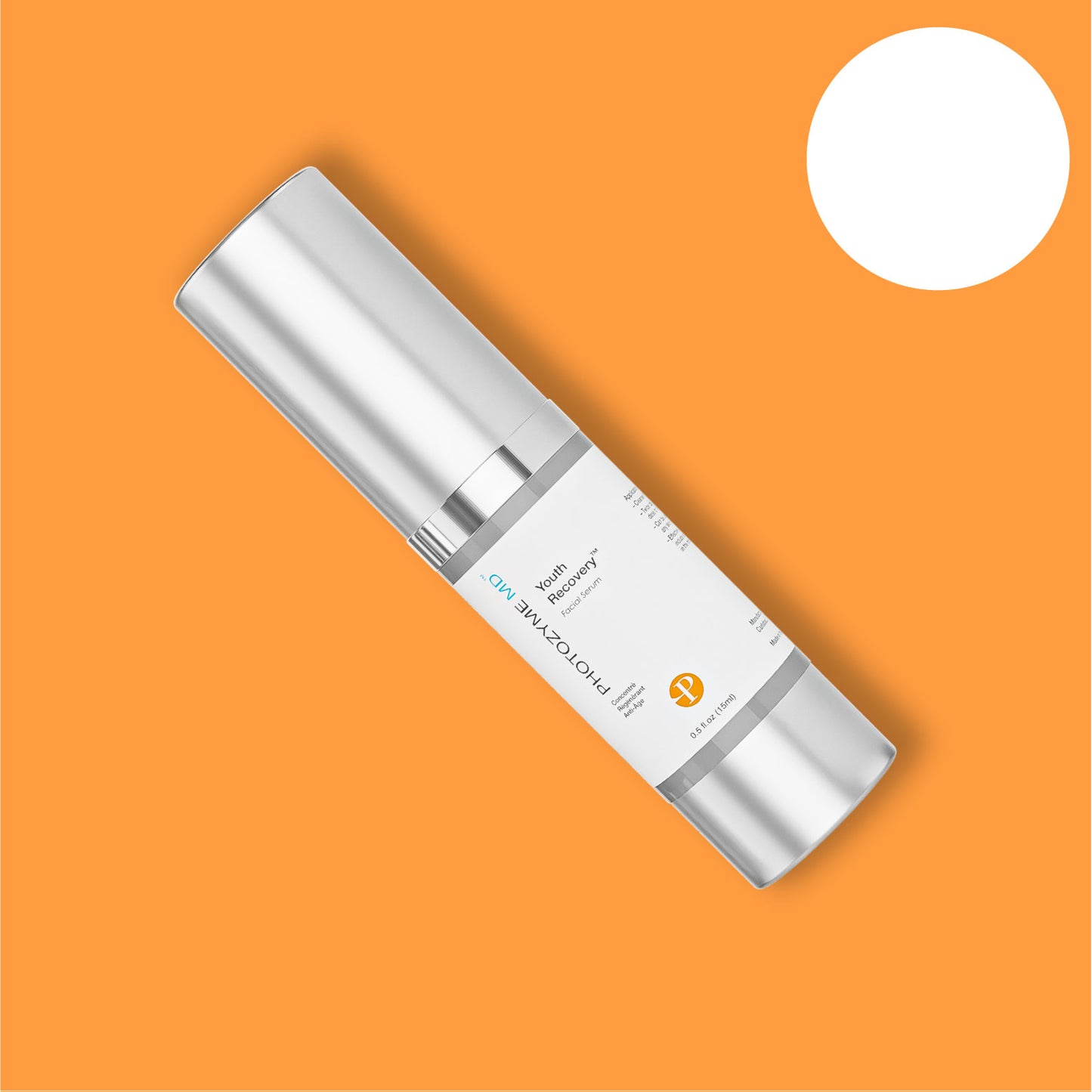
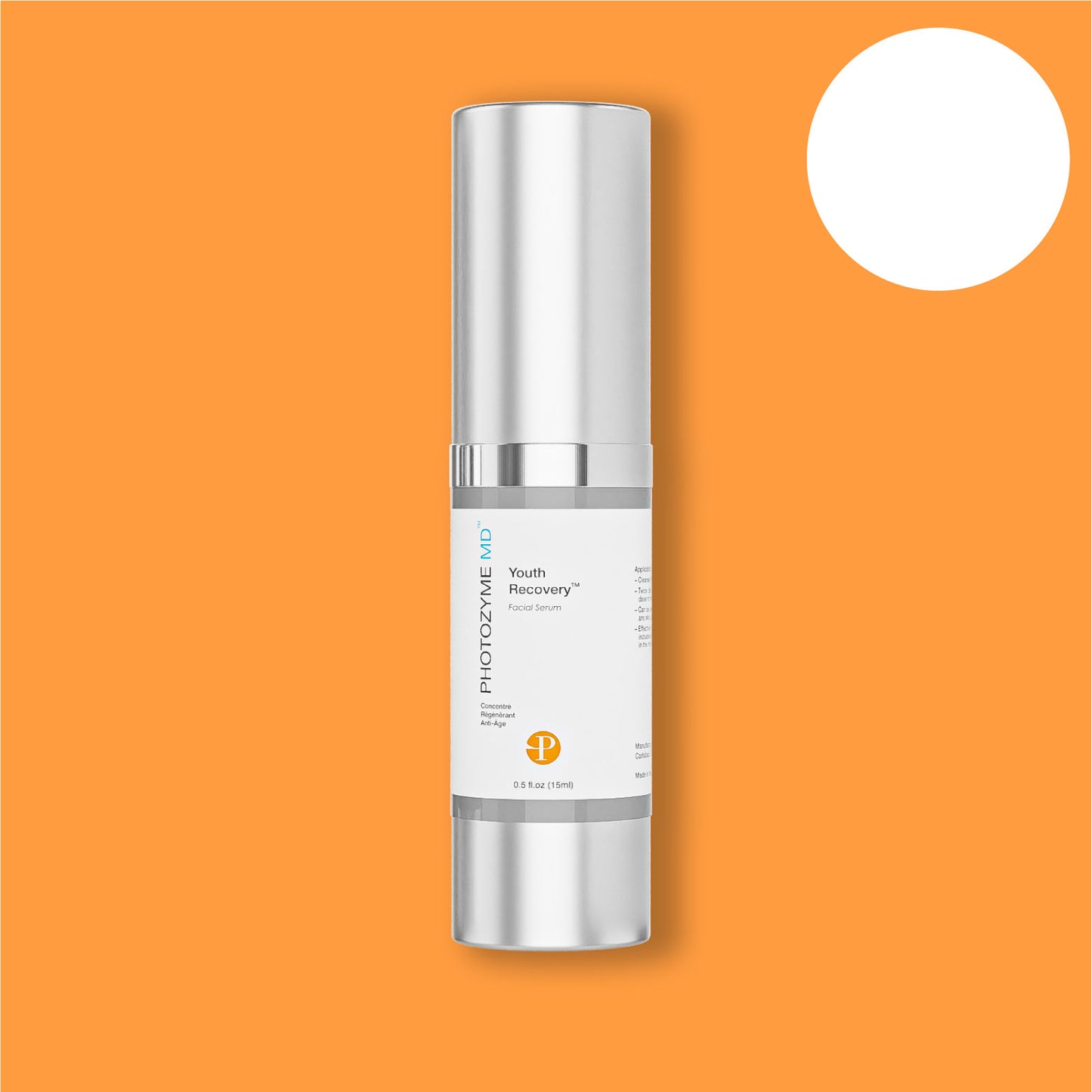
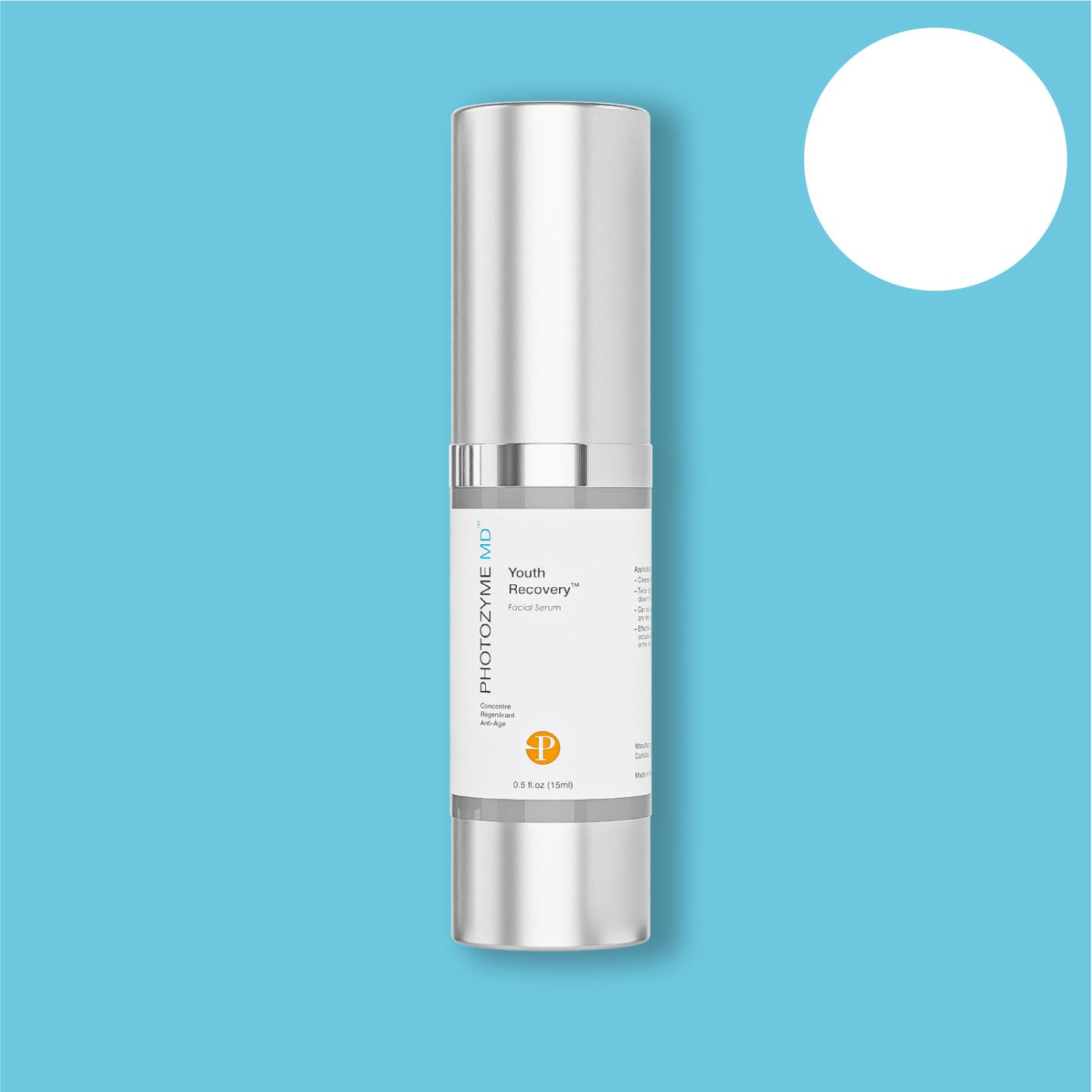
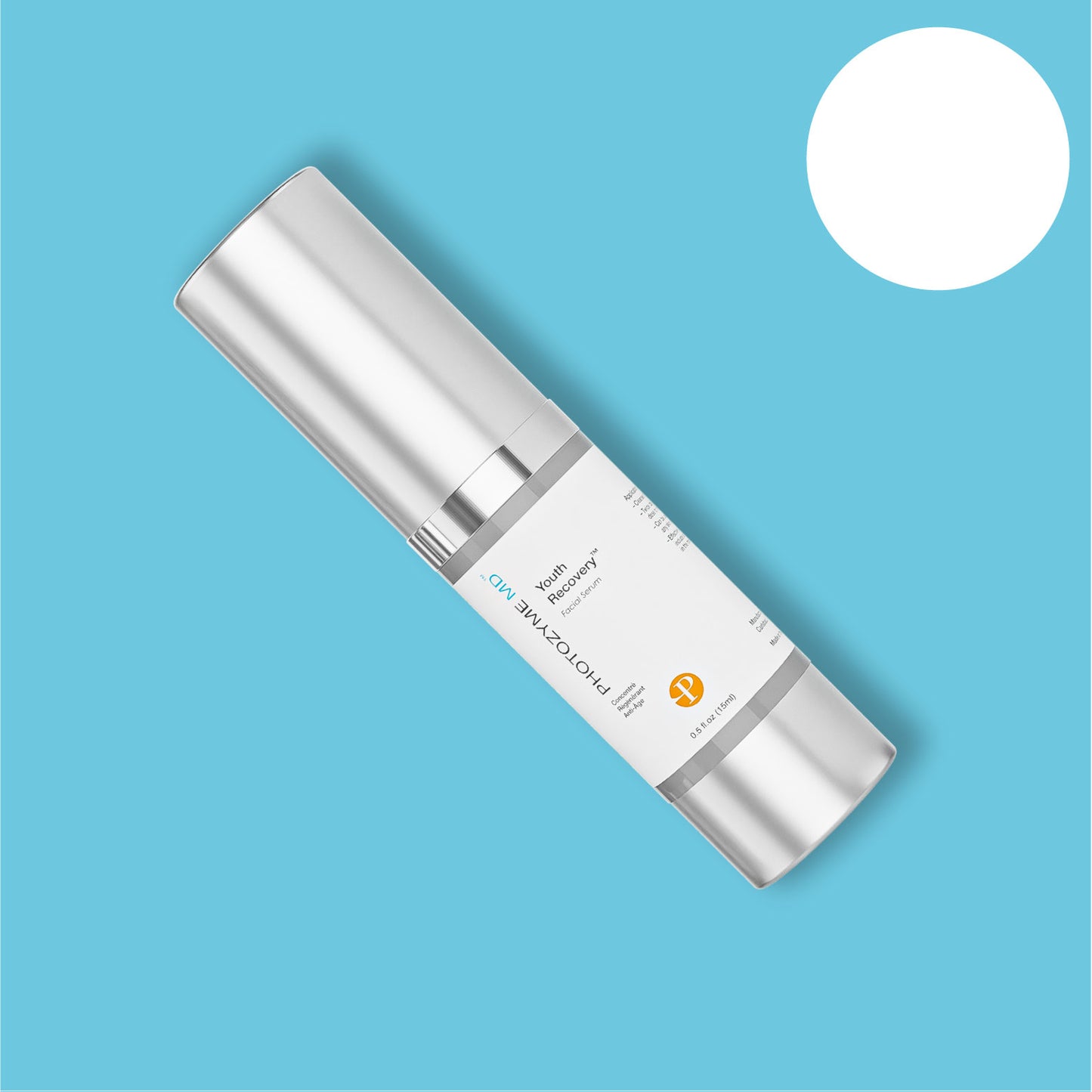
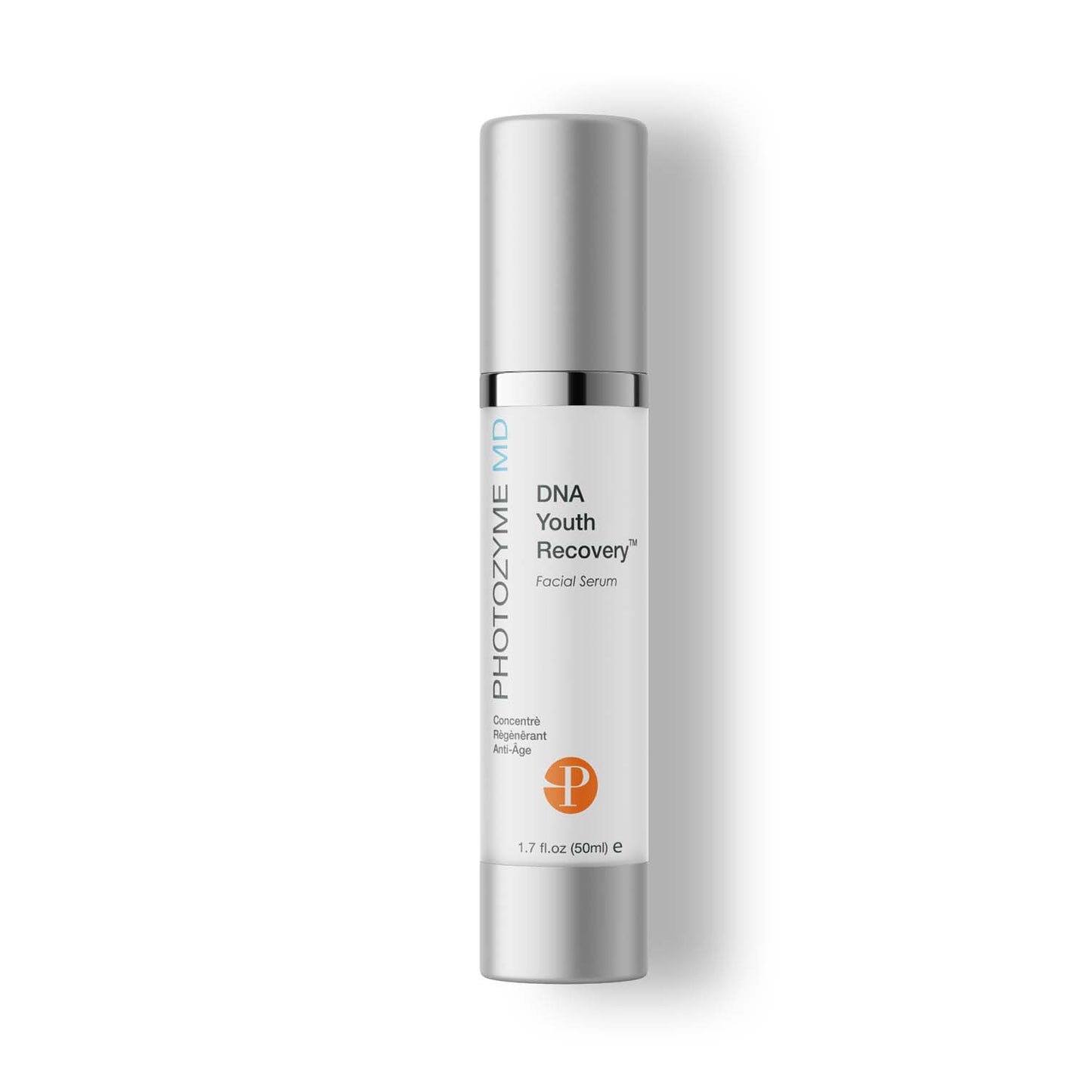
Dry skin's weakened barrier makes it more susceptible to UV-induced damage and slower to recover from daily environmental stress. Formulations that include DNA repair enzymes or antioxidants alongside hydrating actives provide a more comprehensive approach by addressing the cellular damage that compounds barrier compromise over time. Our DNA Youth Recovery Facial Serum combines three DNA repair enzymes with hyaluronic acid and antioxidants, targeting both hydration and the UV-induced damage that accelerates structural decline in already-vulnerable dry skin.
Texture And Formulation Compatibility
For dry skin, the serum texture should be lightweight enough to absorb effectively but not so thin as to provide no tactile comfort on rough, compromised skin. A slightly more viscous serum base that still absorbs fully works better for dry skin than an ultra-watery formulation that evaporates before it can bind moisture effectively. The formulation should also be free of alcohol, fragrance, and high-concentration acids, as these would further compromise an already deficient barrier.




 Free Shipping on US Orders $50+
 60-Day Money-Back Guarantee
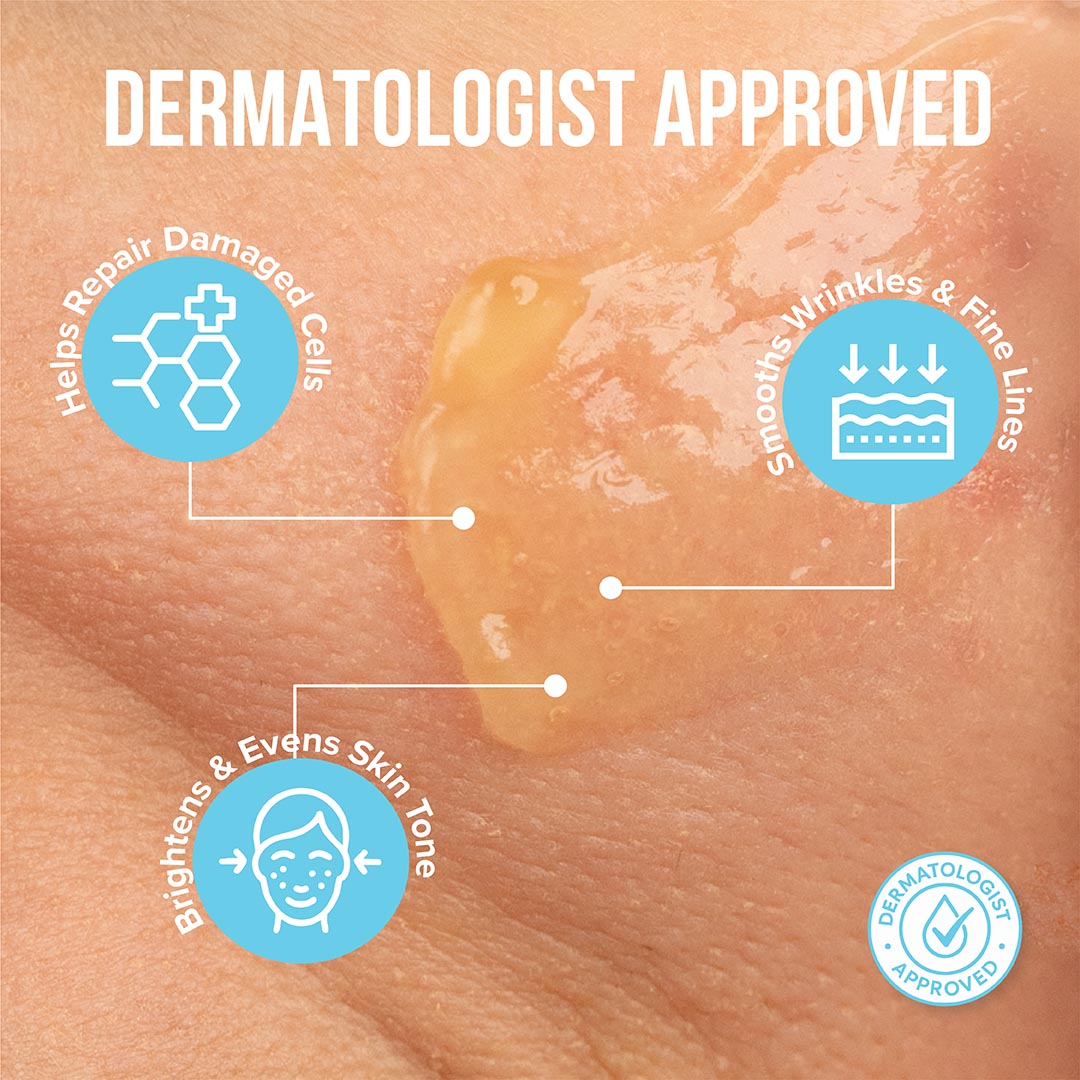
 Dermatologist-Approved