Every skin type experiences dehydration, but the way it manifests and the approach required to address it differ based on individual skin characteristics. Understanding these distinctions helps you select the right formulation and application strategy for your specific needs.
Oily And Combination Skin
Oily skin is often dehydrated because the skincare products commonly used to manage excess sebum, such as foaming cleansers, acids, and mattifying treatments, strip water from the skin alongside oil. A lightweight moisturizing serum provides the water-based hydration oily skin needs without adding lipids that contribute to congestion. For combination skin, a hydrating serum applied across the full face addresses dehydration in dry zones without exacerbating oiliness in the T-zone, making it one of the most versatile steps in a combination skin routine.
Sensitive And Reactive Skin
Sensitive skin benefits significantly from hydrating serums that strengthen the barrier without introducing irritating actives. When the barrier is consistently well-hydrated, its tolerance for active ingredients improves, and the reactive threshold that leads to redness or flushing decreases. Our Reset Serum combines hyaluronic acid with DNA repair enzymes and delivers hydration in a formulation designed to support barrier integrity, making it a practical option for sensitive skin types that need hydration without the risk of ingredient-triggered reactivity.
Mature And Sun-Damaged Skin
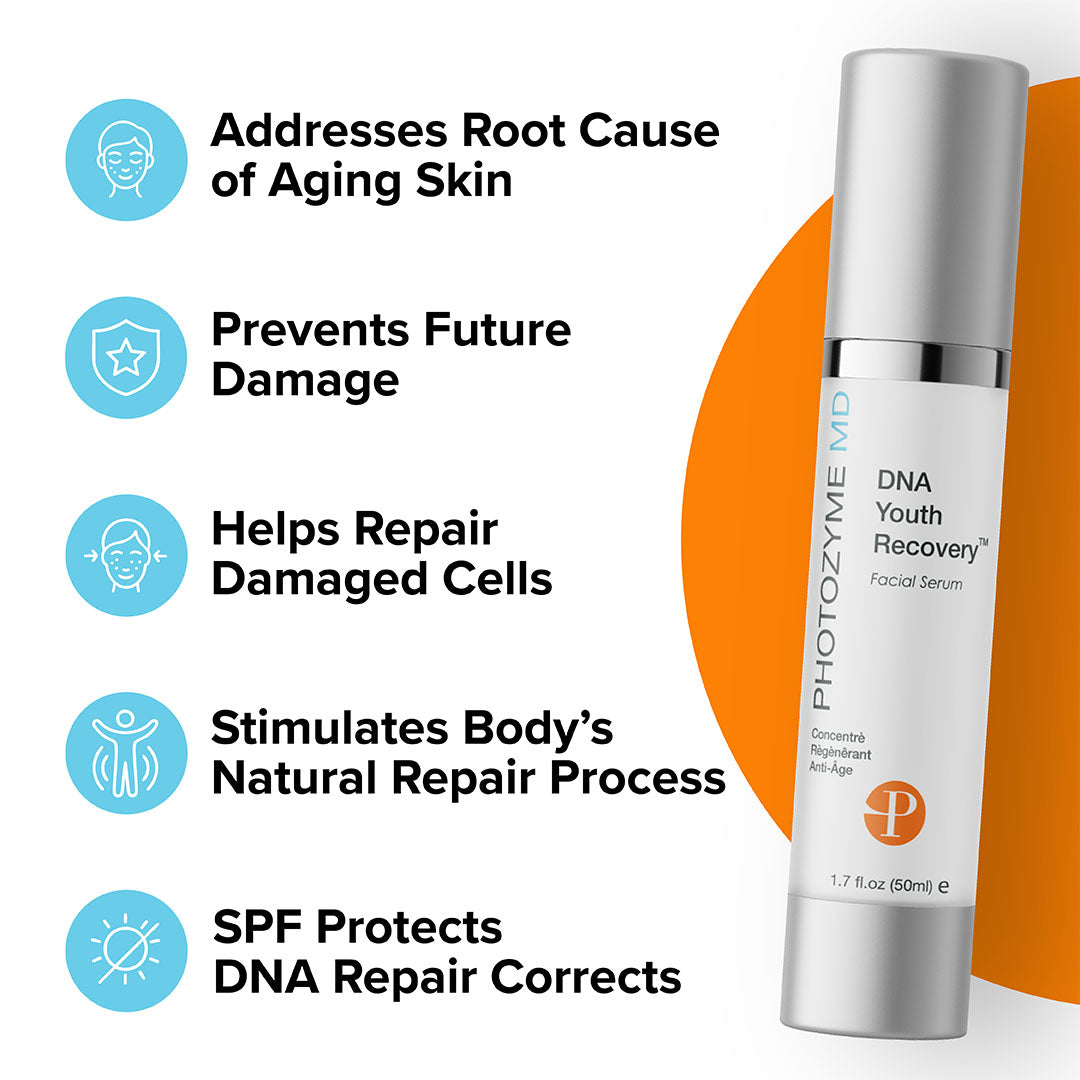
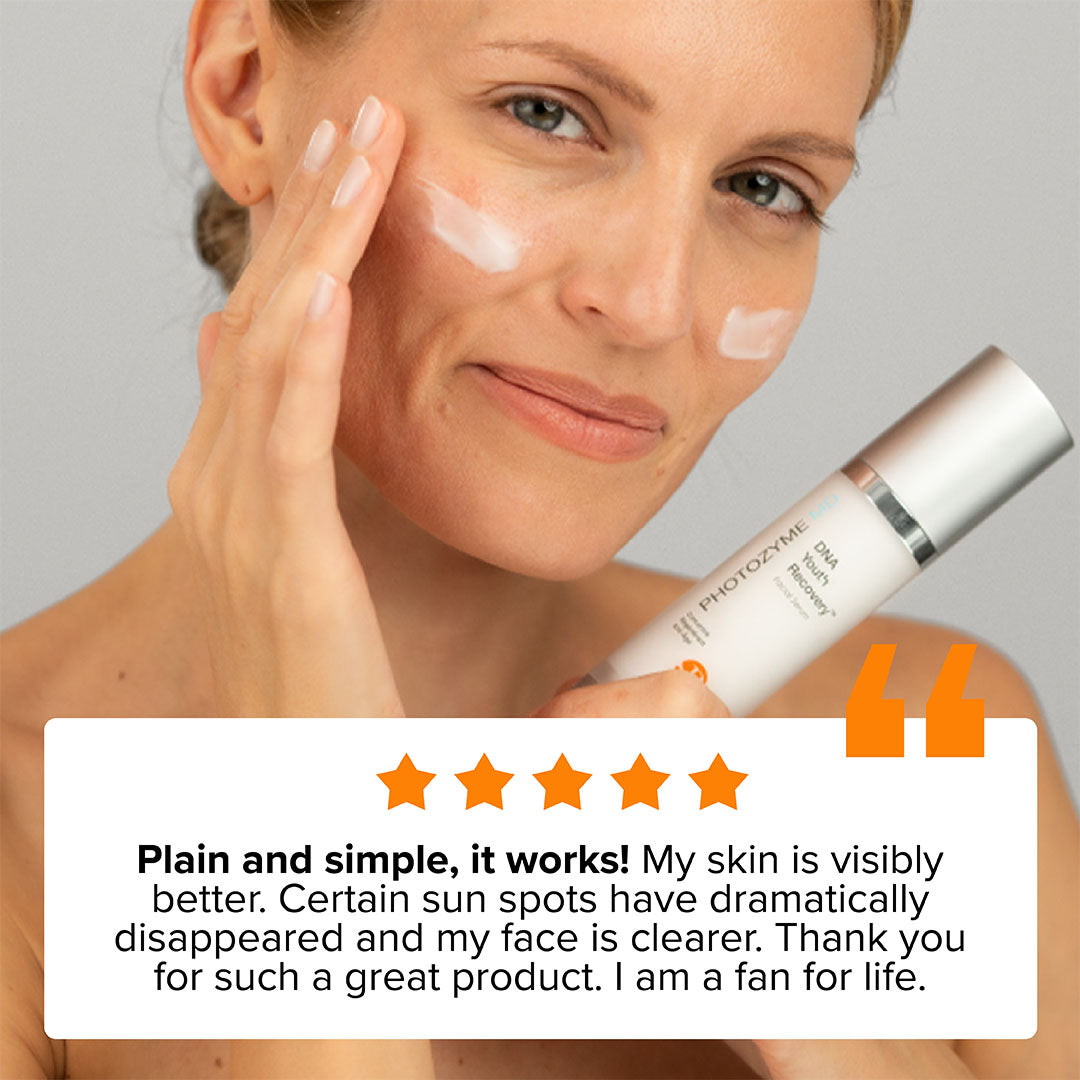
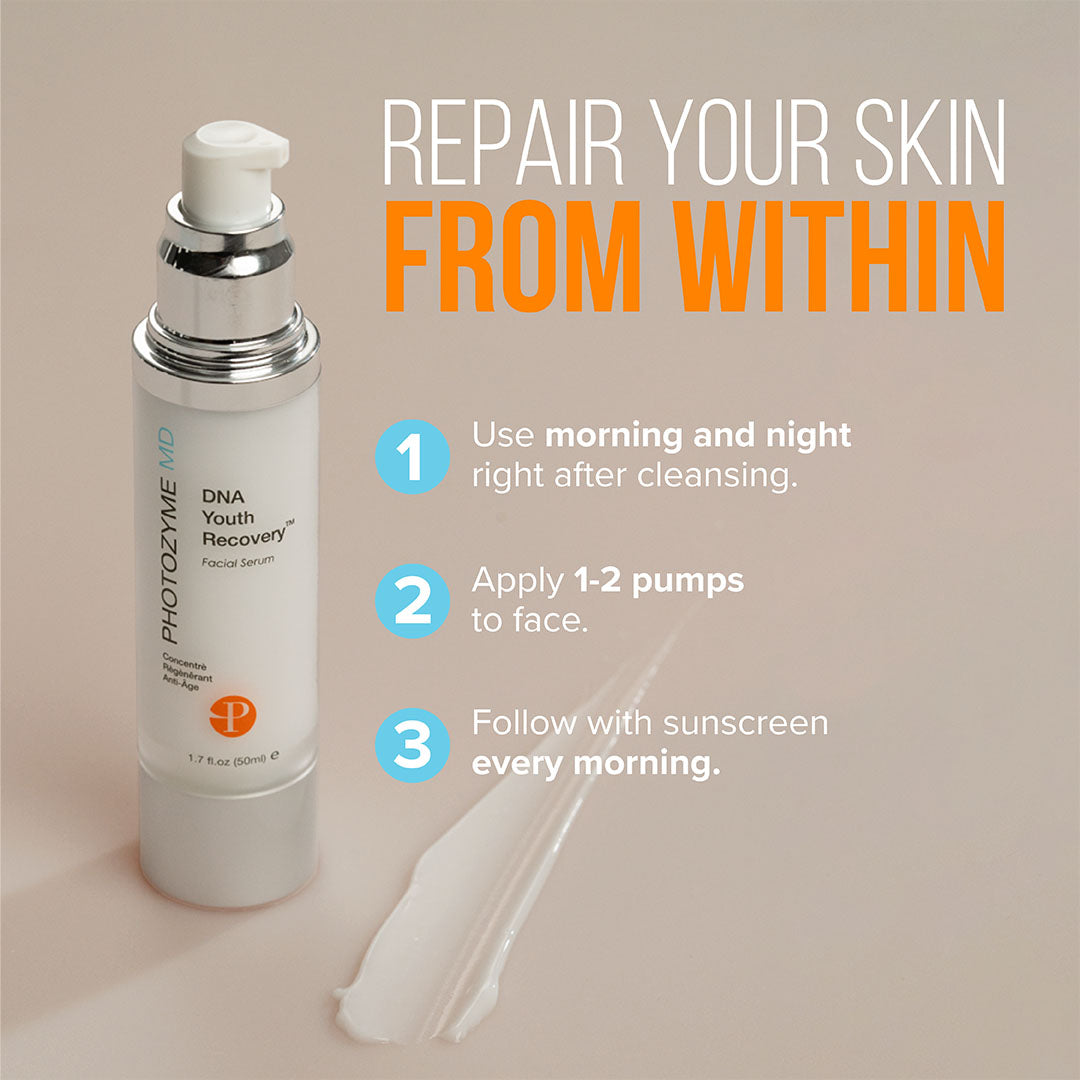
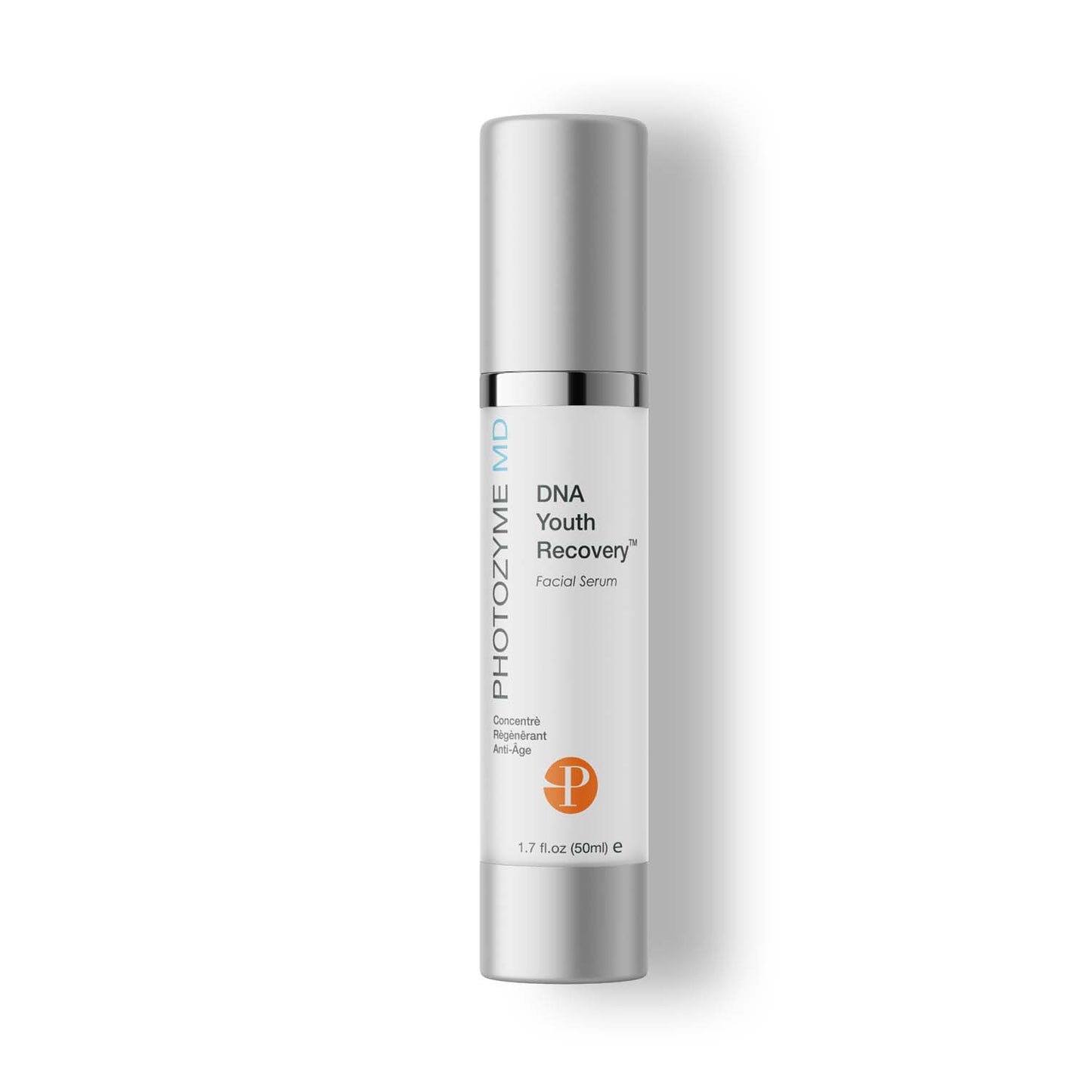
As skin ages, its natural production of hyaluronic acid and other moisture-retaining compounds declines significantly. This age-related dehydration compounds the structural changes already driven by collagen loss and UV damage, making fine lines and texture irregularities more pronounced. A hydrating serum replenishes the water content that aging skin can no longer maintain on its own, creating a more hydrated foundation that makes other anti-aging ingredients more effective. Browse our Best Serum For Dry Skin collection for options formulated around this need. Our DNA Youth Recovery Facial Serum addresses both dehydration and UV-induced cellular damage simultaneously, supporting hydration alongside biological repair.
Skin Undergoing Active Treatment
Skin that is actively using retinol, chemical exfoliants, or other high-potency actives is particularly at risk of treatment-induced dehydration. For a full guide to using retinol without disrupting your skin balance, see our article on Retinol For Oily Skin. These ingredients accelerate cell turnover and can compromise barrier integrity during the adjustment period, increasing transepidermal water loss and sensitivity. Incorporating a hydrating serum into a treatment routine helps buffer these effects by maintaining water balance and supporting the barrier structures that active ingredients temporarily stress.
How To Layer A Hydrating Serum With Active Ingredients
Layering order determines how well each product in your routine performs. Applying a hydrating serum in the correct sequence relative to your active ingredients ensures that both hydration and treatment benefits are fully realized without compromising the efficacy of either.
Apply Hydrating Serums Before Heavier Treatments
The general principle of layering from thinnest to thickest consistency applies directly here. Hydrating serums should be applied to clean, slightly damp skin before any treatment serums, oils, or moisturizers. This sequence allows humectants to bind available moisture at the surface before subsequent layers create a barrier that would prevent their absorption. Applying a hydrating serum after heavier products reduces its ability to penetrate and bind moisture effectively.
Timing Between Hydrating And Active Layers
Allow 30 to 60 seconds after applying a hydrating serum before proceeding to the next step. This brief absorption period ensures the humectants have made initial contact with the skin before being covered by treatment products. For retinol specifically, allow the hydrating serum to fully absorb, then wait for the skin to dry completely before applying the retinoid, as damp skin can increase retinol penetration beyond comfortable levels for most skin types.
Pairing Hydrating Serums With Vitamin C
Vitamin C formulations work well alongside hydrating serums in morning routines. Apply the hydrating serum first, allow it to absorb, then apply your vitamin C product. Our Vitamin CE + Ferulic Acid Lotion combines 15% vitamin C with ferulic acid and DNA repair enzymes, making it a well-matched follow-up layer in this sequence. This sequence ensures the skin is adequately hydrated before the antioxidant layer is applied, which can improve the comfort of vitamin C application, particularly for higher-concentration formulations that can sting on dehydrated or compromised skin.
Sealing Hydration With The Right Moisturizer
A hydrating serum attracts and binds moisture, but requires an occlusive or emollient layer above it to prevent that moisture from evaporating. Without a moisturizer to seal, humectants can draw moisture from deeper skin layers and allow it to escape through the surface in low-humidity conditions, paradoxically worsening dehydration. Choose a moisturizer containing ceramides or fatty acids that reinforces lipid barrier structure while sealing in the hydration the serum has delivered.




 Free Shipping on US Orders $50+
 60-Day Money-Back Guarantee
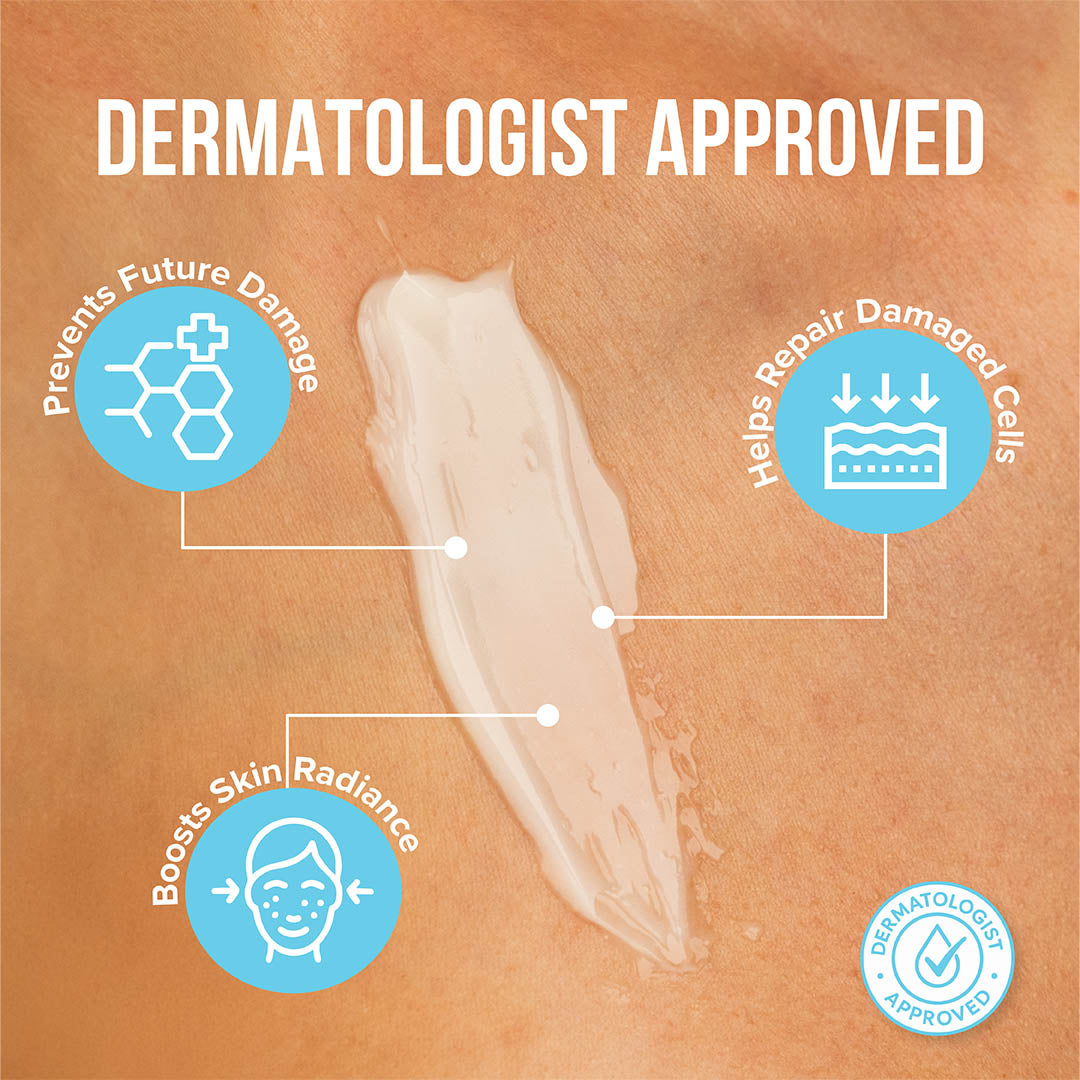
 Dermatologist-Approved