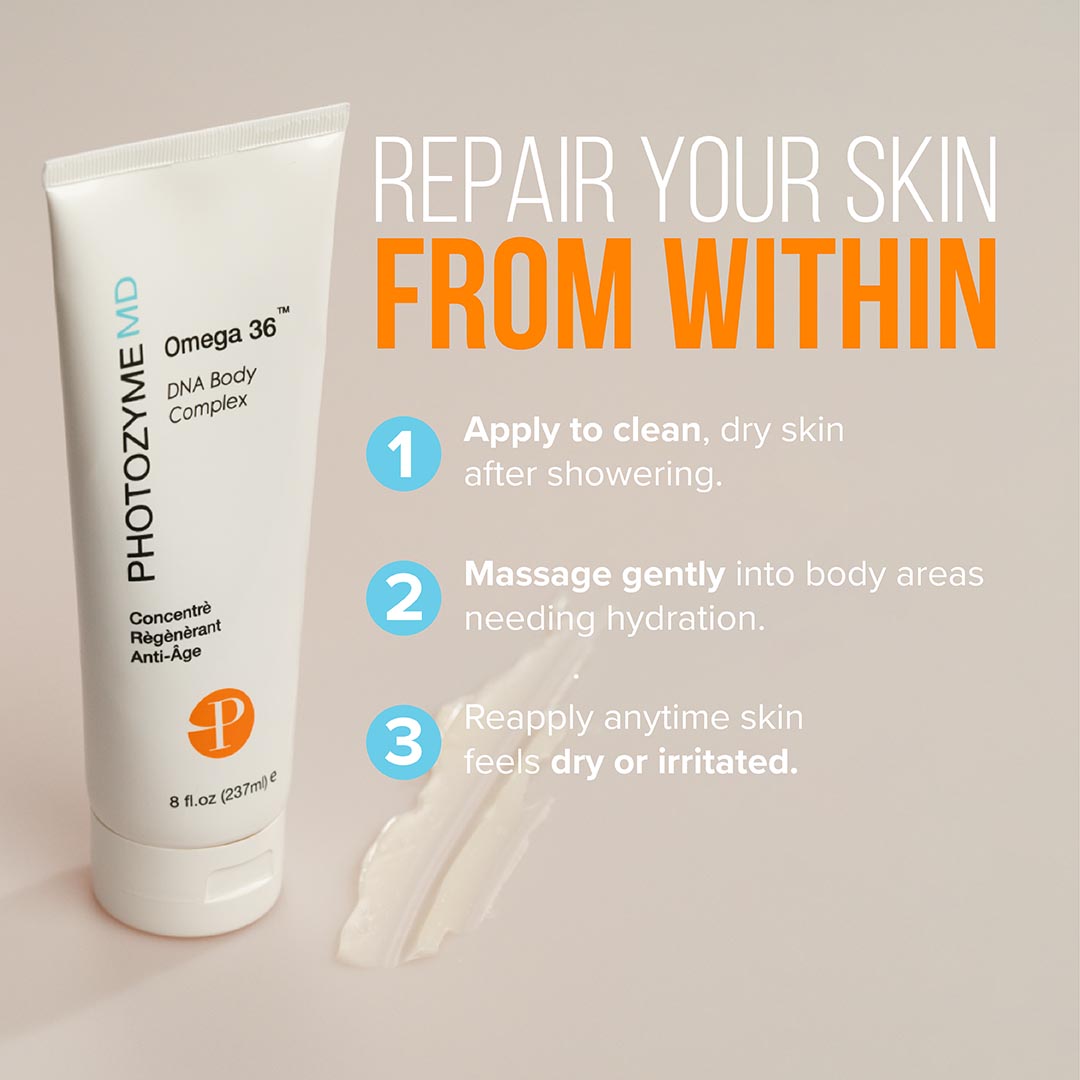
Application timing and technique determine how much benefit a body lotion actually delivers. Consistent, correct application significantly improves results from the same product.
Apply Within Three Minutes Of Showering
The optimal application window for body lotion is within 2 to 3 minutes of stepping out of the shower, while the skin is still slightly damp. This residual moisture provides the surface water that humectants bind immediately upon contact, resulting in faster, more pronounced hydration than when applied to completely dry skin. The warm post-shower skin also has slightly more open surface channels that support product absorption.
Use Enough Product To Cover Fully
Insufficient product application is one of the most common reasons body lotions underperform for dry skin. Use a generous enough amount to distribute evenly across the full body surface without the product absorbing before full coverage is achieved. For significantly dry areas, a second application layer applied immediately after the first improves barrier support without waiting for the first layer to dry completely.
Focus Extra Attention On High-Dryness Zones
Elbows, knees, shins, and hands lose moisture faster than other body areas due to thinner skin, less sebaceous activity, and higher mechanical stress from daily movement. These zones benefit from a slightly more generous application and an additional targeted application during the day when significant dryness persists despite regular morning routine use.
Allow Absorption Before Dressing
Allow two to three minutes after application before dressing to prevent the fabric from absorbing the product before the skin does. This brief wait also allows humectants to begin binding available moisture before the occlusive effect of clothing reduces evaporation from the skin surface, thereby improving overall hydration from each application session. For guidance on how body and facial products layer, see our guide on whether to use a serum before or after moisturizer.
Dry Skin Across Different Body Zones And What Each Area Needs
Different body zones experience dryness for different reasons and respond to slightly different formulation approaches for optimal improvement.
Arms And Chest
Sun-exposed areas accumulate photodamage, which compounds natural dryness by compromising cellular barrier integrity. These zones benefit most from body lotions that combine fatty acids and humectants with antioxidants and DNA repair enzyme technology. Those building a full anti-aging routine alongside body care can explore our collection of the best eye cream for mature skin for the periorbital zone.
Hands And Fingers
Hands experience the most mechanical stress and the most frequent cleansing of any body area, stripping surface lipids repeatedly throughout the day. A single morning application is rarely sufficient for hands during dry conditions. Reapplication after washing, particularly with a ceramide-rich formulation, provides the barrier restoration that frequent cleansing removes with each wash.
Legs And Shins
Shin skin has fewer sebaceous glands than most other body areas, making it structurally prone to dryness regardless of environmental conditions. The visible flaking and rough texture common on the shins reflect both lipid deficiency and the accumulation of dead cells. A body lotion that combines fatty acids with gentle exfoliation simultaneously addresses both barrier deficiency and surface texture irregularity.
Elbows And Knees
These high-friction zones develop thickened, calloused skin in response to repeated mechanical pressure that traps dead cells at the surface. Standard hydrating lotions soften this texture temporarily without addressing the underlying cell accumulation. Formulations combining humectants with lipid-replenishing ingredients, when applied consistently over time, produce more lasting textural improvement than periodic intensive treatments alone.




 Free Shipping on US Orders $50+
 60-Day Money-Back Guarantee
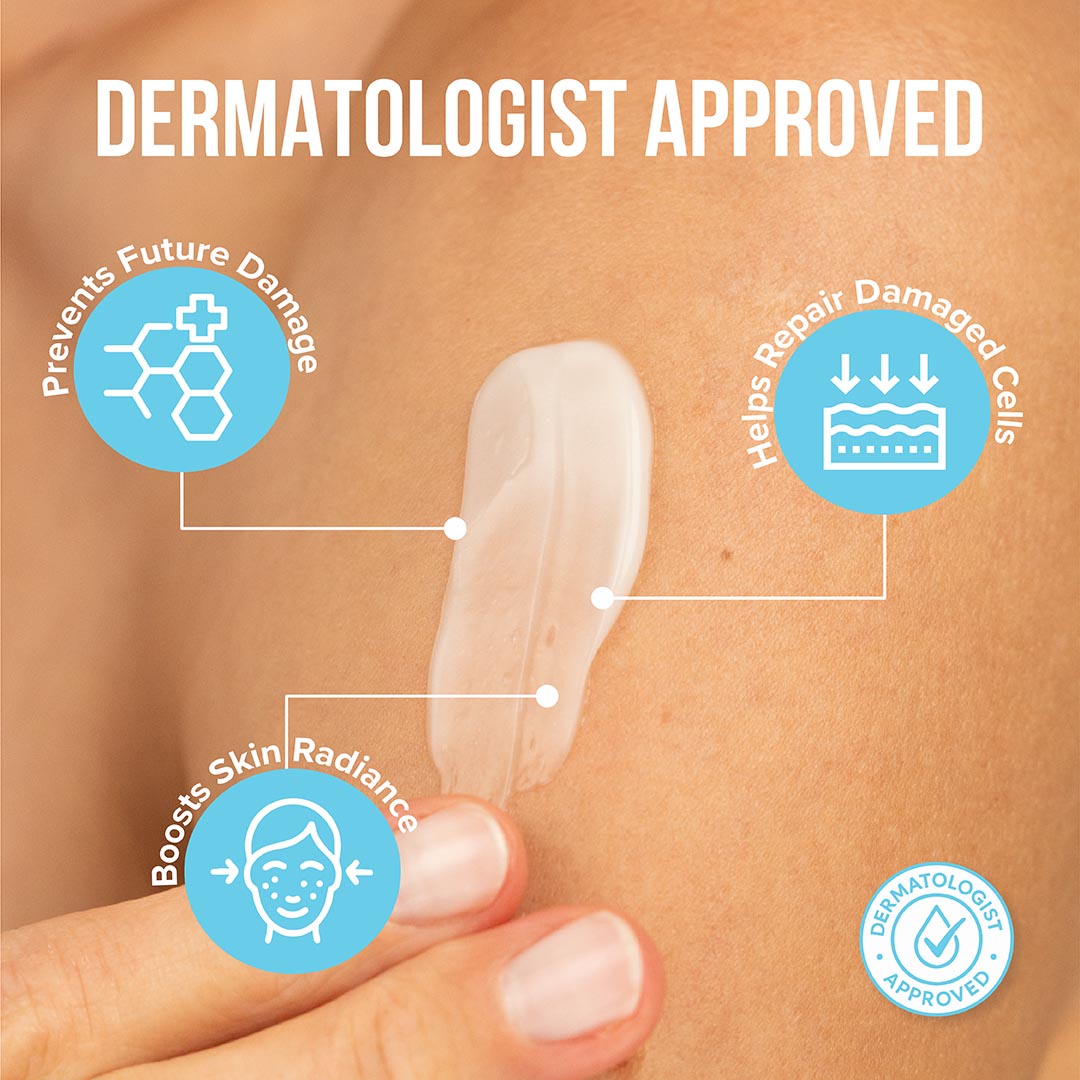
 Dermatologist-Approved