Ceramides are not a trend ingredient. They are a structural component of the skin barrier that the epidermis depends on for normal moisture retention, irritant exclusion, and cellular communication.
What Ceramides Actually Are
Ceramides comprise approximately 50% of the stratum corneum lipid matrix, organized in lamellar layers between corneocytes. When ceramide content is adequate, this organization is tight, moisture is retained efficiently, and the barrier resists environmental irritants without triggering inflammatory responses. When ceramide levels decline, the lamellar structure becomes disorganized, permeability increases, and the cascade of symptoms that characterize compromised barrier function follows.
Those managing reactive skin alongside moisture loss will find relevant context in Is Hyaluronic Acid Effective for Reducing Redness, which covers how hydration and barrier repair interact in reactive skin.
Why Ceramide Production Declines
Natural ceramide synthesis decreases with age, UV exposure, harsh cleansing, over-exfoliation, and inflammatory conditions. Each factor depletes ceramide content faster than the skin can replenish it, resulting in a progressively more permeable and reactive barrier that requires topical ceramide delivery to maintain the lipid organization it can no longer sustain on its own.
How Topical Ceramides Restore Barrier Function
Topical ceramides integrate into the stratum corneum lipid matrix, directly replenishing the structural lipids on which barrier function depends. Unlike occlusives, which coat the surface to slow moisture loss, ceramides restore the underlying structural organization, allowing the barrier to regulate moisture intrinsically rather than relying on external sealing to compensate for internal lipid deficiency.
 Free Shipping on US Orders $50+
 60-Day Money-Back Guarantee
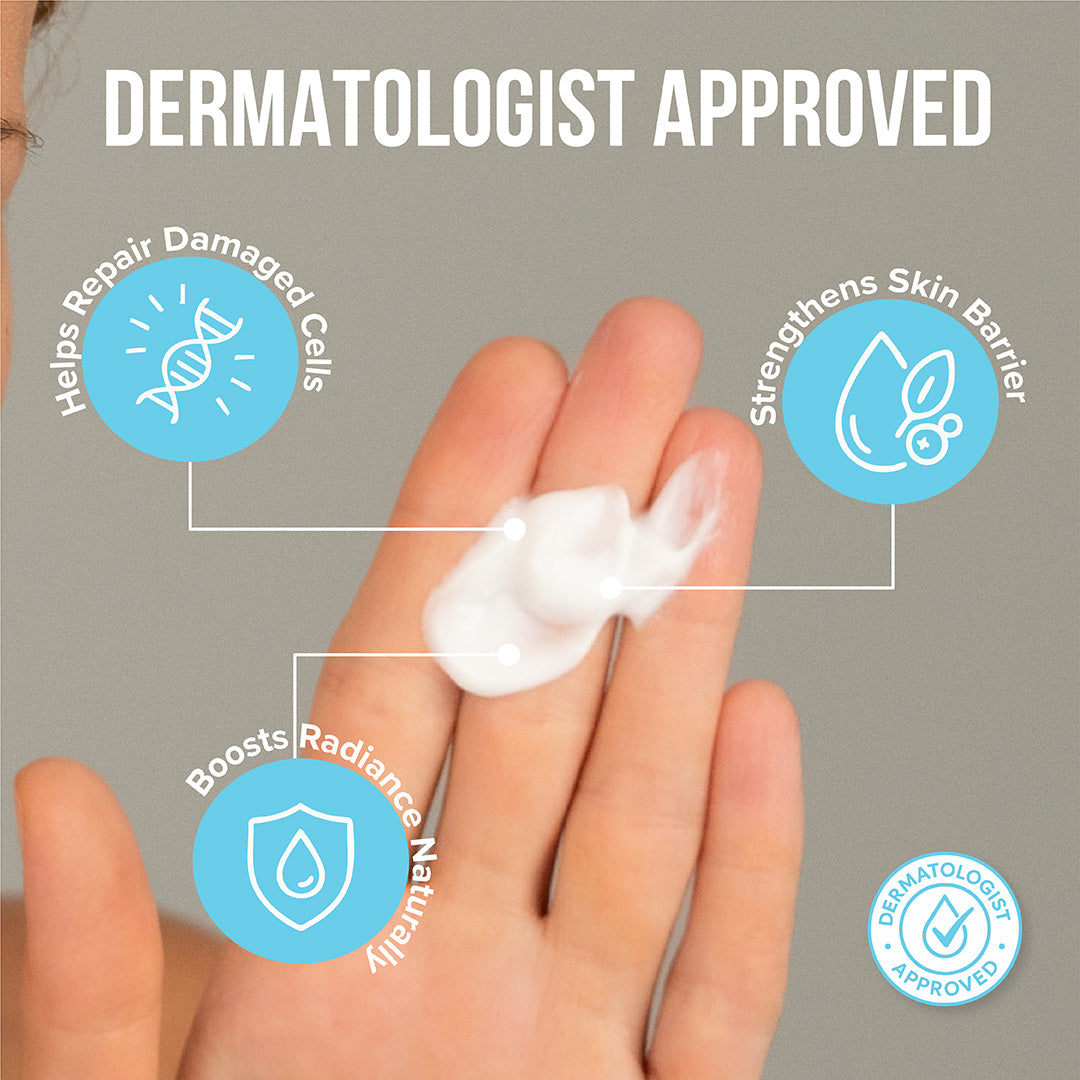
 Dermatologist-Approved