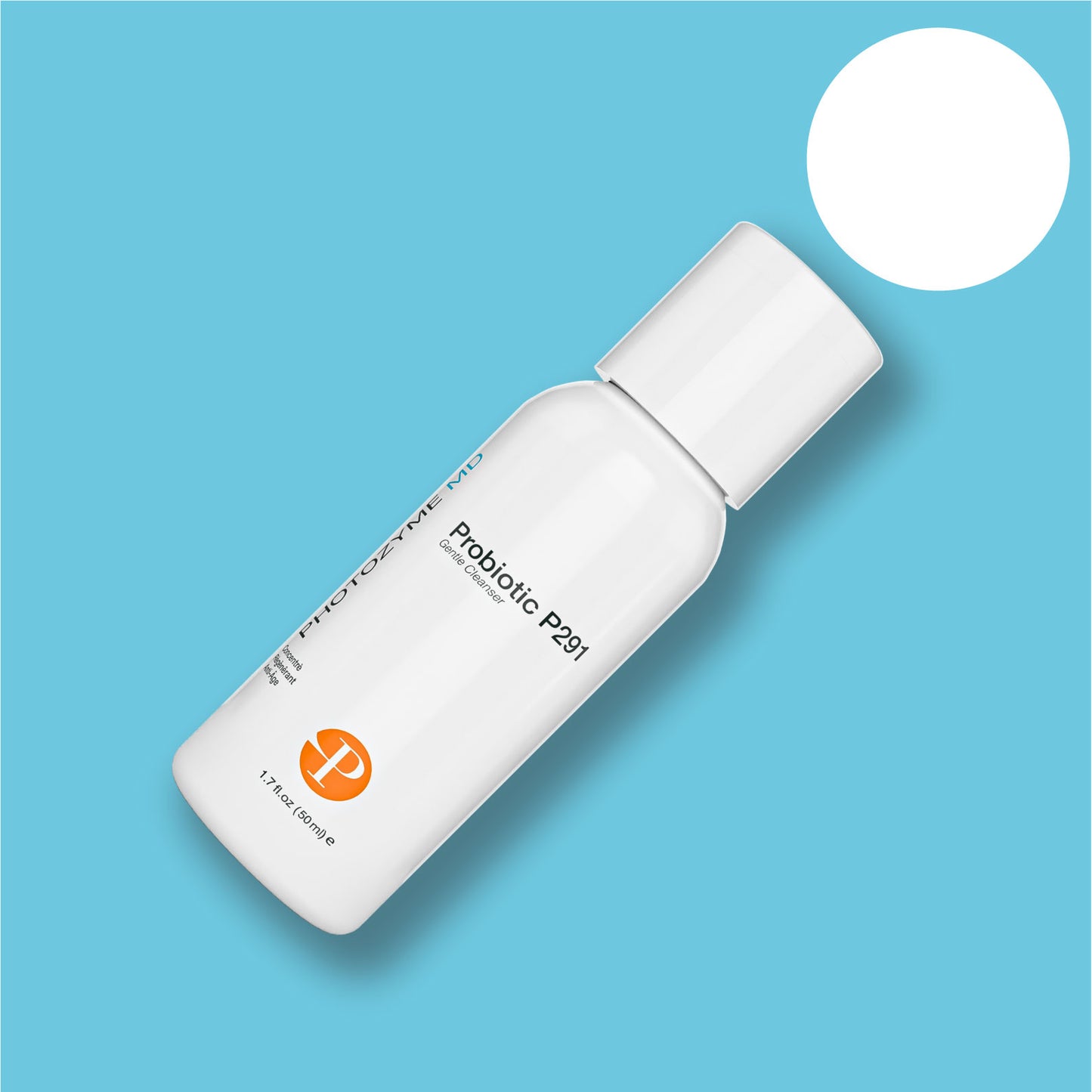
Sensitive skin thrives on consistency and minimalism. Each step should reinforce the skin barrier, minimize potential irritants, and provide room for essential repair and defense. A streamlined routine reduces cumulative stress on the skin and allows its natural recovery systems to function more efficiently over time.
1. Start With A Gentle Cleanser
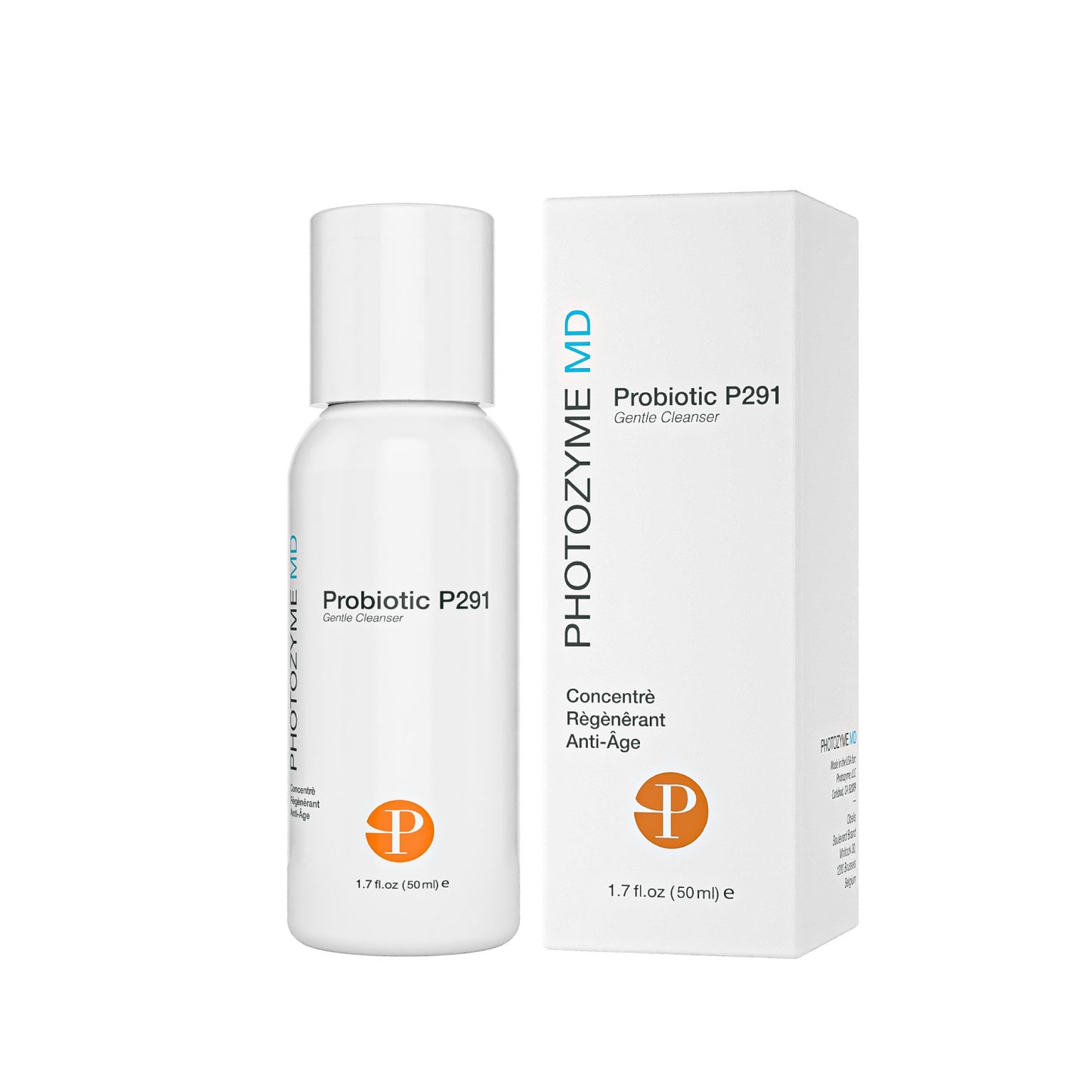
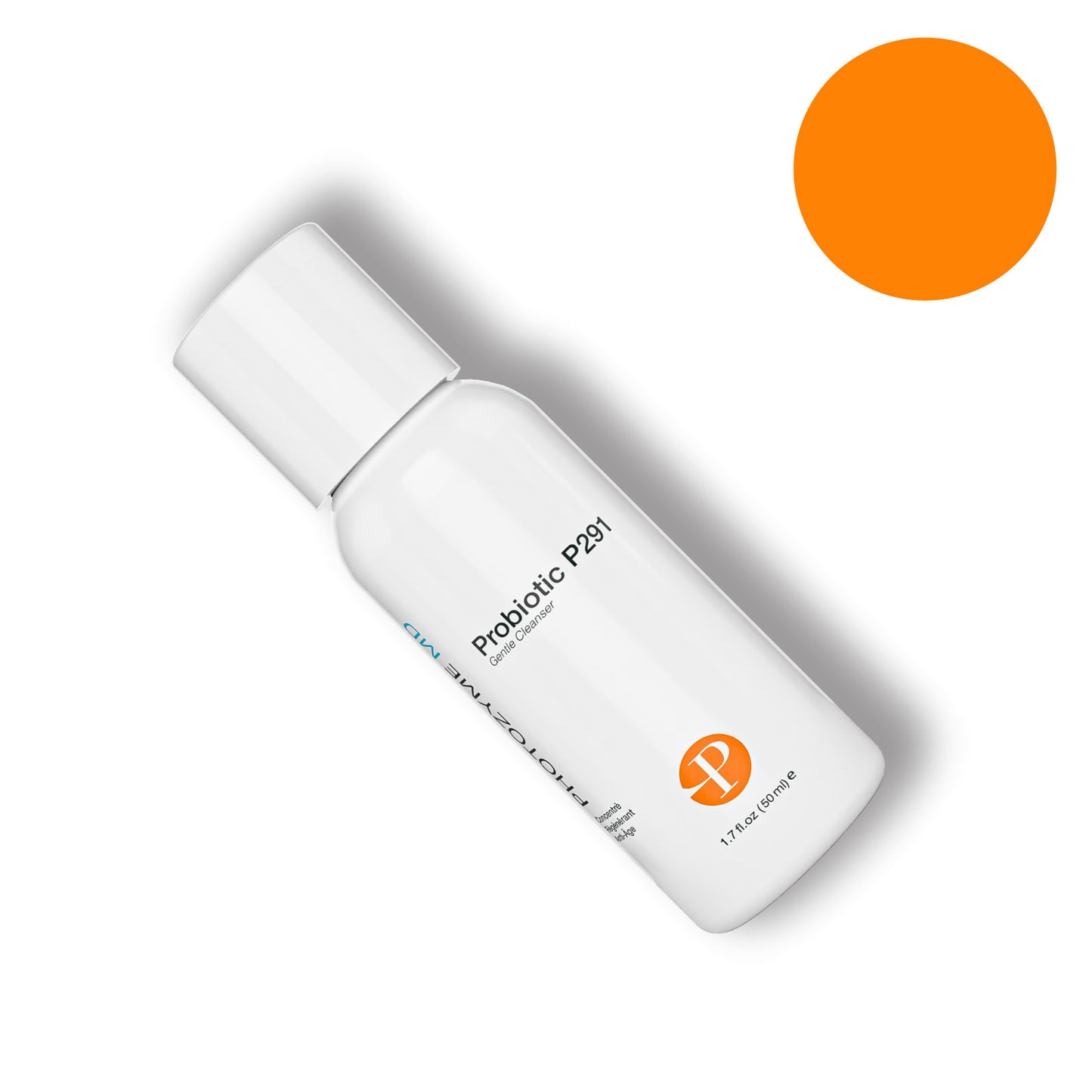
Begin with a gentle, evidence-backed cleanser designed specifically for sensitive skin, formulated to avoid harsh sulfates, strong fragrances, and excessive exfoliants. This first step supports the skin’s natural equilibrium, removing impurities without disrupting moisture levels. Cleansing should leave skin feeling calm and comfortable, not tight or reactive.
2. Prioritize Hydration And Introduce Actives Slowly
After cleansing, prioritize hydration with a moisturizer formulated with barrier-supportive ingredients. Look for ceramides, peptides, and glycerin, compounds shown to enhance skin resilience and comfort. Rather than layering multiple actives at once, introduce targeted treatments slowly. Sensitive skin often benefits from antioxidants such as vitamin C or ferulic acid, which help guard against environmental stress. Formulated for compatibility with products like the DNA Youth Recovery Facial Serum, but always verify concentrations and perform a patch test first.
If incorporating targeted care around delicate areas, consider whether an eye cream for sensitive skin is appropriate to extend gentle support beyond the face.
3. Protect Daily With A Mineral-Based Sunscreen
Sun protection remains non-negotiable, even for the most reactive complexions. Choose a zinc oxide-based sunscreen formulated for sensitive skin types. This provides broad-spectrum coverage, calming visible inflammation while defending against UV-induced cellular damage that can worsen redness and weaken barrier integrity.
4. Maintain Stability And Monitor Skin Response
For ongoing skin health, review each product in your routine for compatibility and simplicity. Avoid frequent product switches or incorporating too many new actives at once. Instead, allow time, typically several weeks, for your skin to respond and normalize. This measured approach maximizes both comfort and visible improvement, providing a reliable foundation as you continue to refine your sensitive-skin regimen.
Myths About Sensitive Skin That Persist
Sensitive skin is a widely recognized concern, but common misconceptions can cloud judgment and ultimately lead to more irritation rather than relief.
Here are persistent myths and a look at the science that dispels them:
Myth 1: Sensitive Skin Is Always Caused By Allergies
Many assume that irritation is always an allergic reaction. In reality, sensitive skin often reflects a compromised barrier, leading to greater reactivity to everyday environmental factors, even in the absence of allergies. Understanding the difference is important when choosing gentle cleansers or treatments that restore, rather than activate, inflammatory pathways.
Myth 2: Only Fragrance-free Means Safe
Fragrance can increase the potential for stinging or redness, but “fragrance-free” labels don’t guarantee a product is inherently non-irritating. Some botanicals, essential oils, or even certain preservatives, though unscented, can trigger reactions in sensitive skin types. It’s ingredient compatibility, rather than absence of scent alone, that defines safety.
Myth 3: Sensitive Skin Is Rare Or Only Affects Certain People
Skin sensitivity is not exclusive to a demographic or genetic subset. Environmental stress, sun exposure, hormonal changes, and even overuse of actives can shift anyone’s skin toward sensitivity. Recognizing sensitivity as a dynamic state, not a rare condition, helps guide more responsive, adaptive daily routines.
Myth 4: More Cleansing Leads To Less Sensitivity
Aggressive cleansing, whether by over-washing, using harsh soaps, or scrubbing, can strip natural lipids and compromise the skin’s protective function. Instead of “cleaning away” sensitivity, this approach can actually perpetuate it. Effective facial cleansers for sensitive skin focus on replenishing moisture and supporting barrier repair.
Patch Testing Guidance For Peace Of Mind
When introducing a new facial cleanser for sensitive skin, patch testing is a straightforward step that can help you avoid discomfort and uncertainty. Sensitive skin is often more reactive not only to harsh ingredients but sometimes even to seemingly mild formulas, especially if the skin barrier is already compromised. A patch test offers a practical way to gauge how your skin might respond before applying a product to the entire face, helping reduce unnecessary flare-ups and setbacks.
How To Perform A Proper Patch Test
Start by choosing a discreet area, such as behind your ear or along the jawline. Apply a small amount of the cleanser to clean, dry skin and leave it on for the time your routine normally requires. Rinse off, and monitor the area for the next 24 to 48 hours. Look for signs such as redness, itching, burning, swelling, or the development of bumps, as these may indicate intolerance or early irritation.
Watching For Delayed Reactions
A lack of noticeable reaction is generally a positive sign, but remember that some sensitivity develops with repeated exposure, not immediately. If your skin is particularly reactive, it can be beneficial to repeat the patch test over two or three days, using the product in the same spot. Document any changes, even subtle ones, so you can discern true compatibility rather than a delayed irritation response.
Building Confidence Through Careful Observation
Consistent observation during this process sharpens your understanding of what your skin will tolerate. Patch testing does not guarantee zero reaction, but it reliably lowers risk and supports confident, informed choices as you refine your facial cleansing approach and strengthen long-term skin resilience.




 Free Shipping on US Orders $50+
 60-Day Money-Back Guarantee
 Dermatologist-Approved