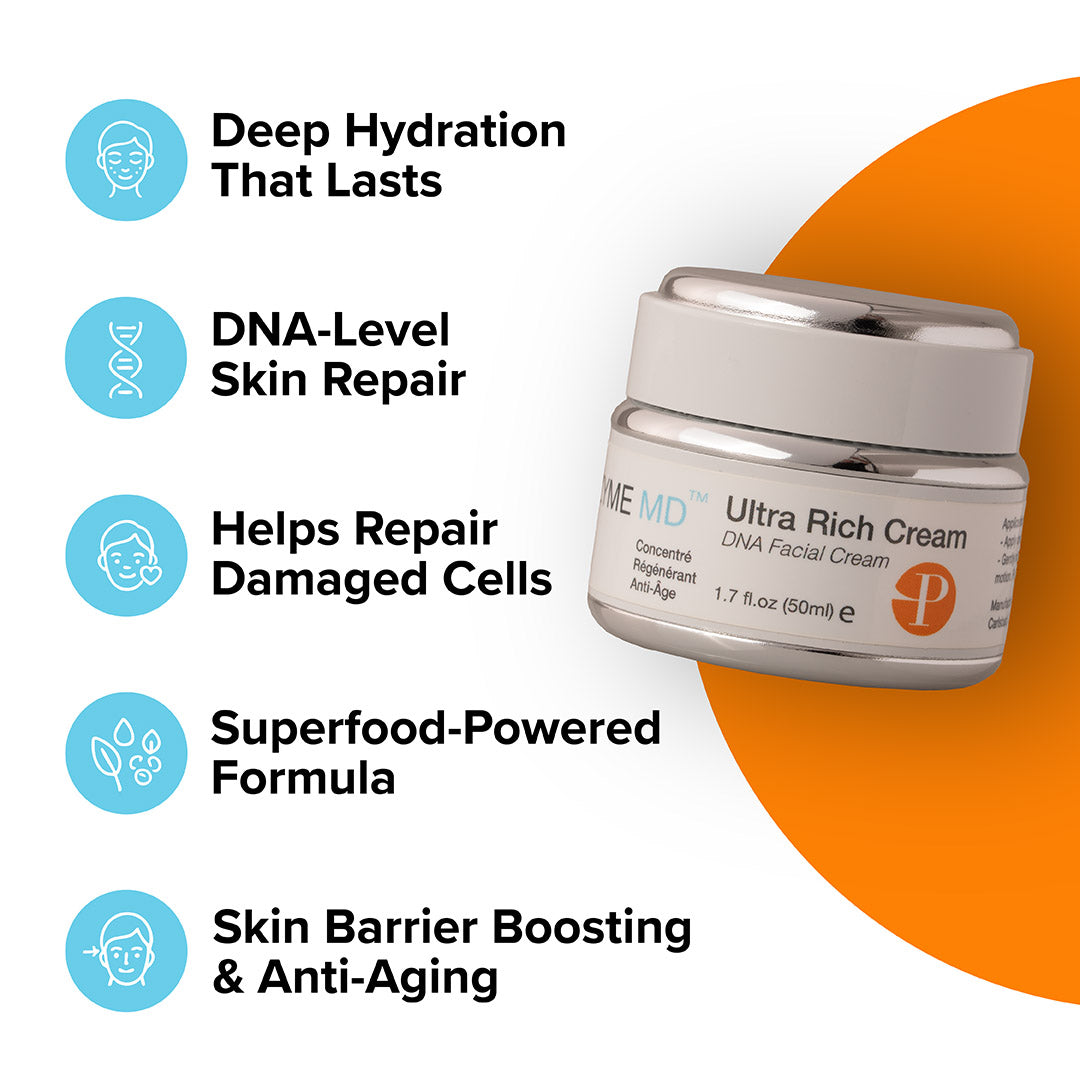
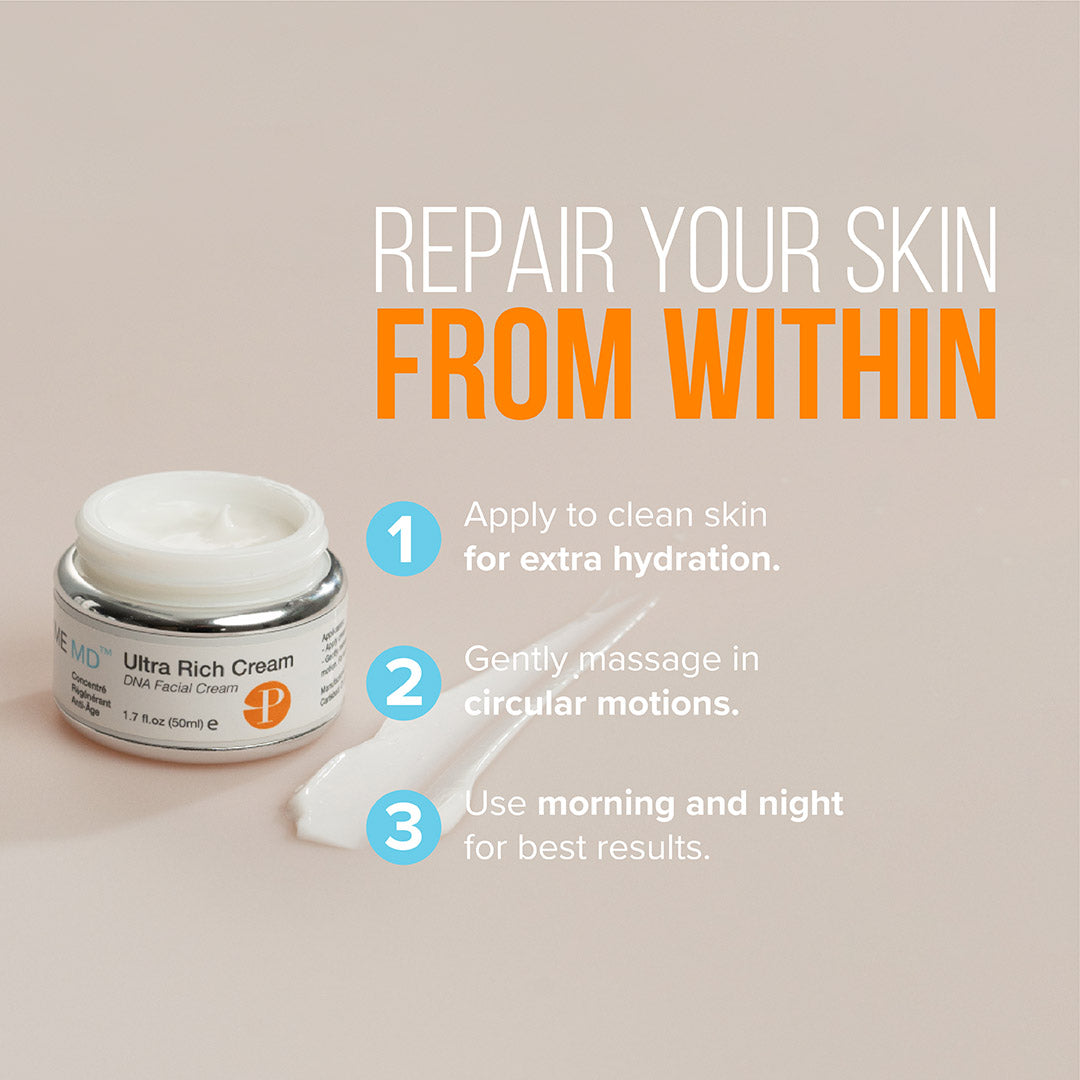
Crepey skin presents as thin, finely wrinkled areas that often resemble tissue paper. This condition develops through a combination of intrinsic and extrinsic factors, compounding skin structure and elasticity degradation.
The Role Of Sun Exposure In Collagen Breakdown
Crepey skin often begins with damage from ultraviolet (UV) radiation. Long-term sun exposure breaks down collagen and elastin, the proteins responsible for keeping your skin firm and elastic. As these fibers degrade, the skin loses its ability to bounce back, leading to sagging and creping, especially on sun-exposed areas like the neck, hands, arms, and face.
Aging And Dehydration
After age 40, your skin’s ability to retain moisture decreases significantly. Natural production of collagen, elastin, and lipids declines, increasing dryness and weakening the skin’s structure. As hydration levels drop, skin becomes more fragile and prone to fine wrinkling. These changes are part of the aging process and are highly responsive to targeted topical interventions.
Lifestyle And Environmental Factors
Environmental pollution, smoking, and inconsistent nutrition accelerate oxidative stress, breaking down skin-supportive components even faster. Fluctuations in weight can stretch and compress the skin, weakening its structure over time. Genetic predisposition also plays a role; individuals with fair, thin skin often experience crepiness earlier and more noticeably.
Addressing Lower Body Skin Laxity
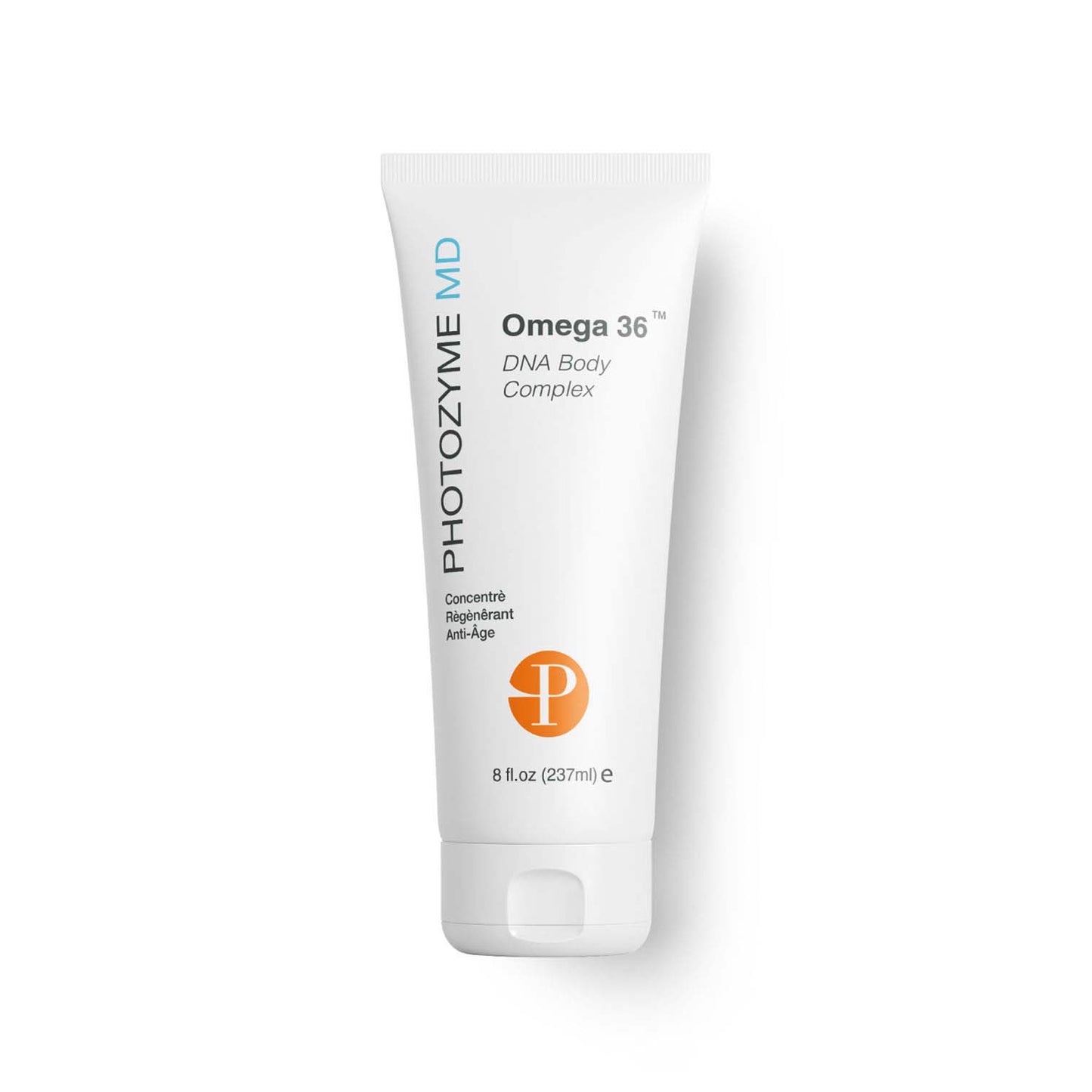
Crepey skin on the legs becomes increasingly common post-menopause, when hormonal changes amplify moisture loss and structural weakening. Suppose you're wondering how to tighten skin on legs after 50. In this case, the solution is a routine combining topical treatments rich in peptides, barrier lipids, and DNA repair enzymes with UV protection and regular, gentle exfoliation. Restoring hydration and rebuilding dermal integrity are essential to improving tone and resilience in these areas.
The Role Of Hydration In Skin Health
Maintaining hydration directly supports the skin’s barrier function. A well-hydrated skin barrier defends against environmental stressors and prevents transepidermal water loss. This protective function is often impaired in crepey skin, making strategic hydration essential for visible and structural recovery.
Age-Related Decline In Moisture Retention
With advancing age or prolonged UV exposure, the skin produces fewer glycosaminoglycans and lipids, key elements for retaining water and maintaining skin elasticity. This depletion contributes to the hallmark signs of crepey skin: thinning, wrinkling, and a loss of resilience. Addressing hydration deficits requires more than simply applying moisture, restoring the skin’s ability to hold onto it.
Ingredients That Rebuild Moisture Reserves
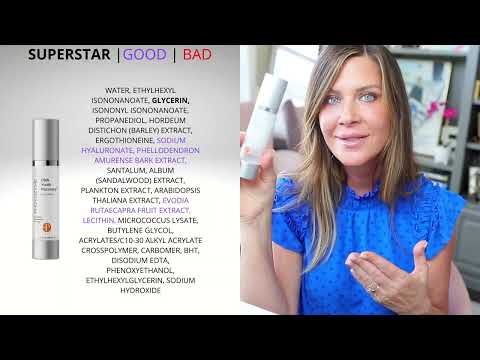
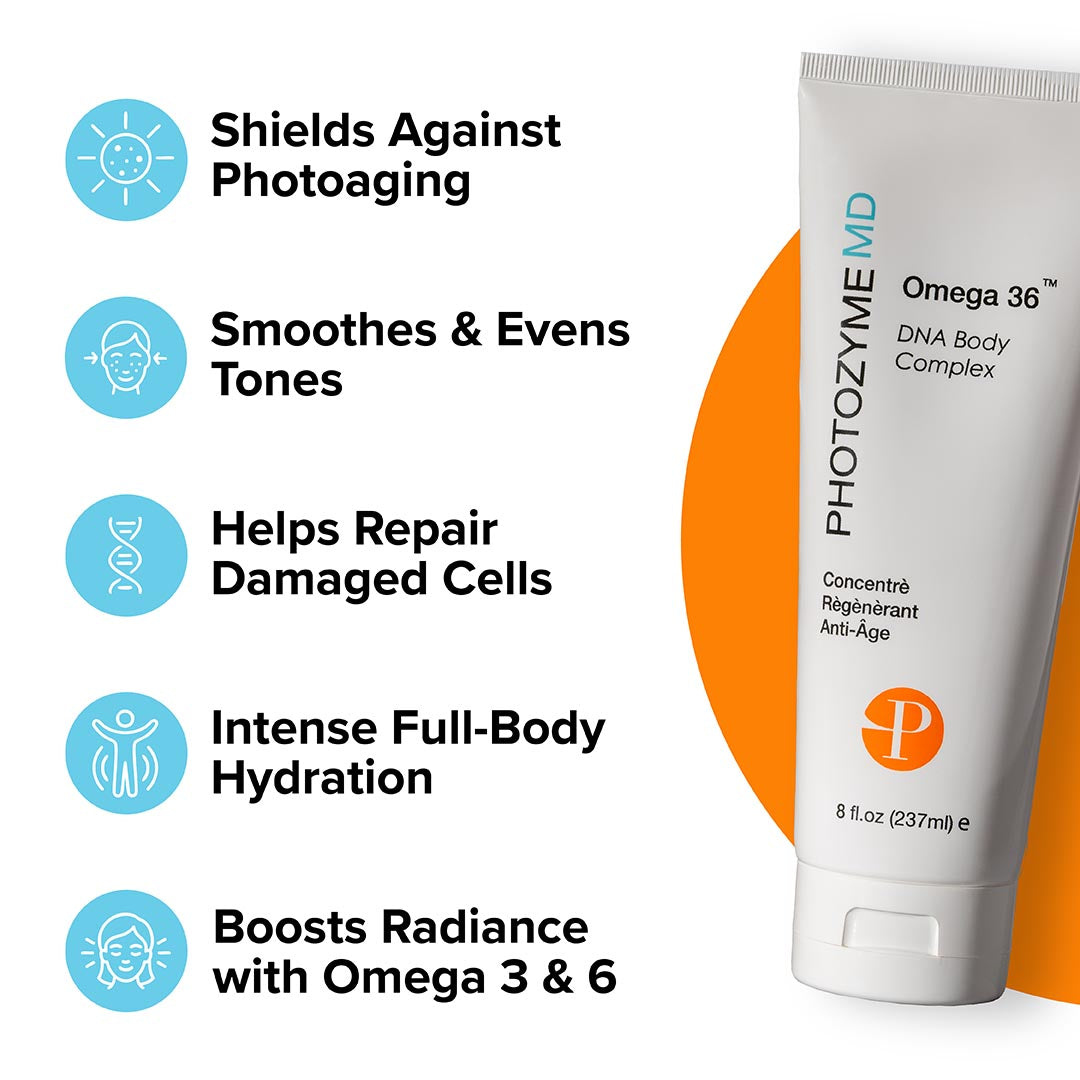
Effective lotions for crepey skin must include clinically backed ingredients such as hyaluronic acid, ceramides, and glycerin. These compounds work by binding moisture and reinforcing the skin's lipid matrix, which helps smooth surface texture and strengthen long-term barrier integrity. Products containing these ingredients support visible improvement while targeting hydration on a cellular level.
Supporting Aging Skin With Strategic Formulation
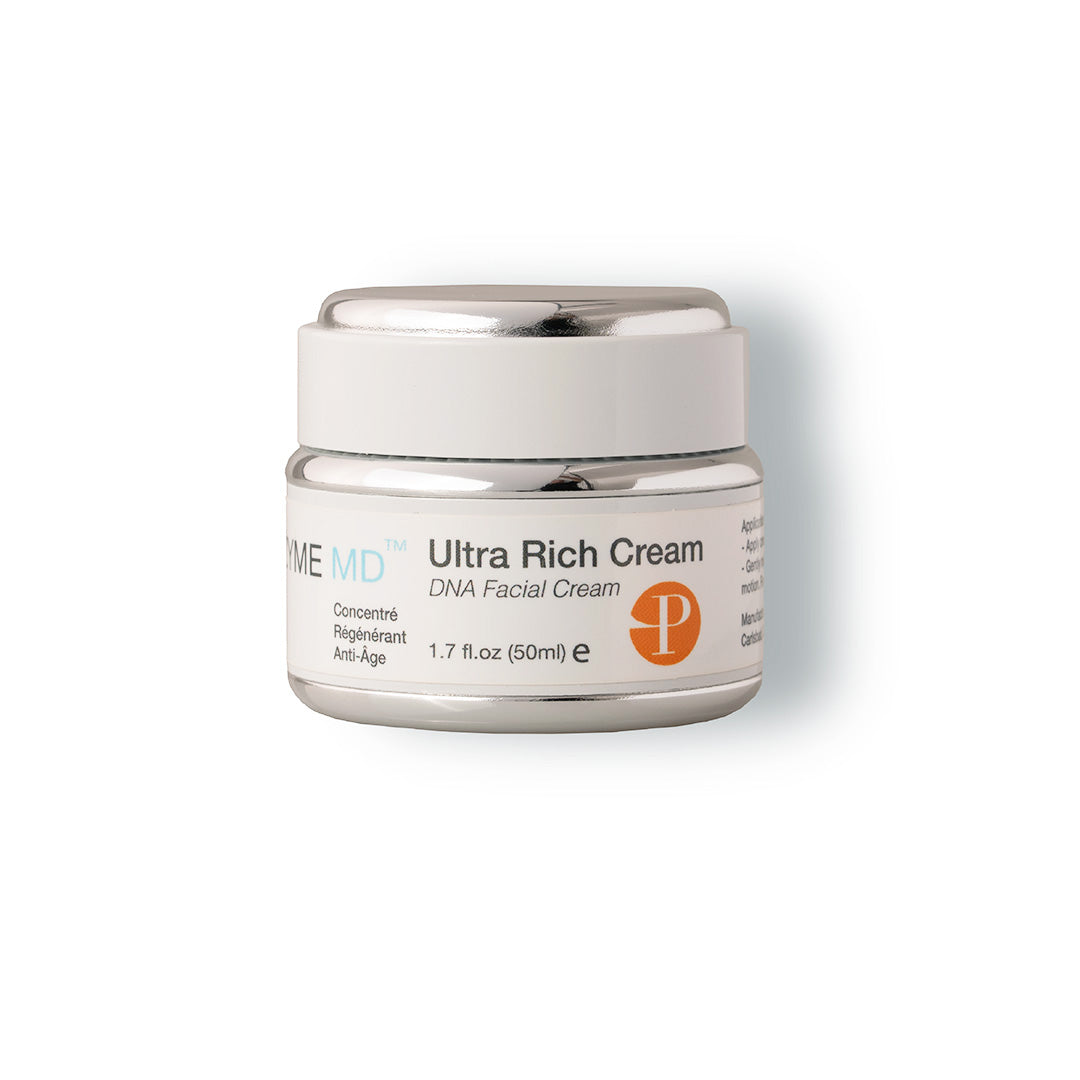
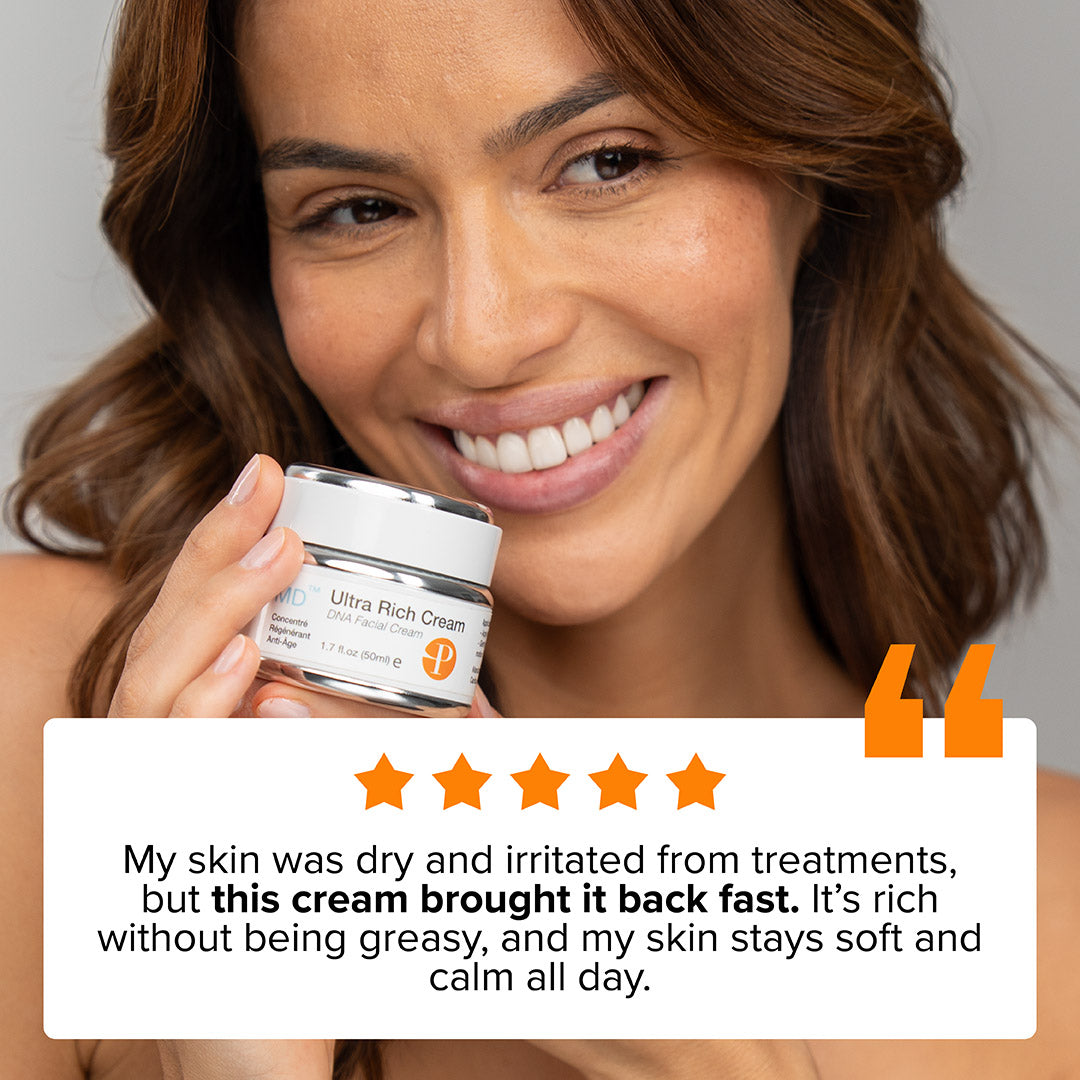
Choosing the best anti-aging cream for 40s often means looking beyond basic moisturization. As skin repair slows, the right formula must actively support hydration and renewal. A product incorporating water-binding agents and structural lipids addresses visible dryness and the more profound shifts in aging skin, making it an essential part of a restorative regimen.



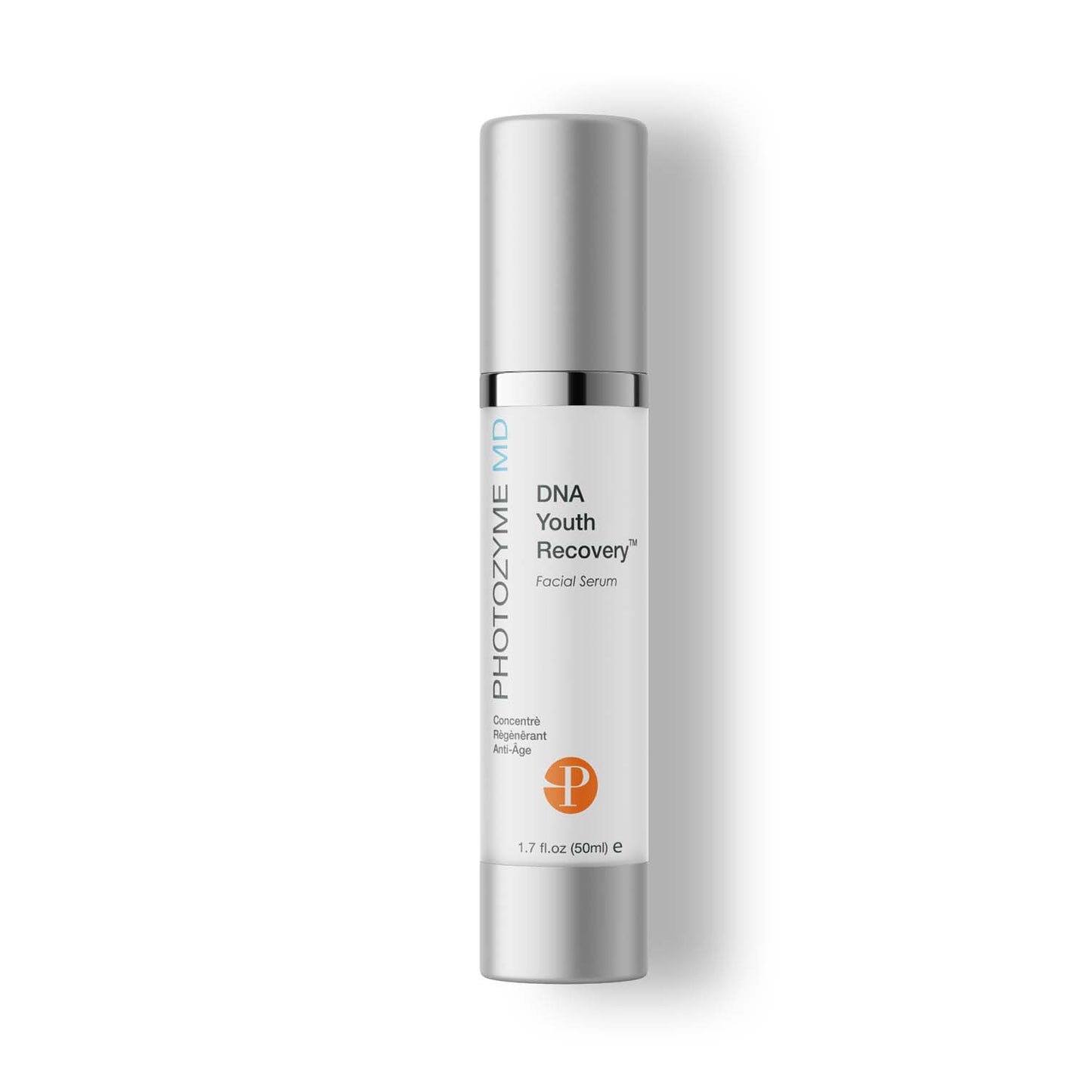

 Free Shipping on US Orders $50+
 60-Day Money-Back Guarantee
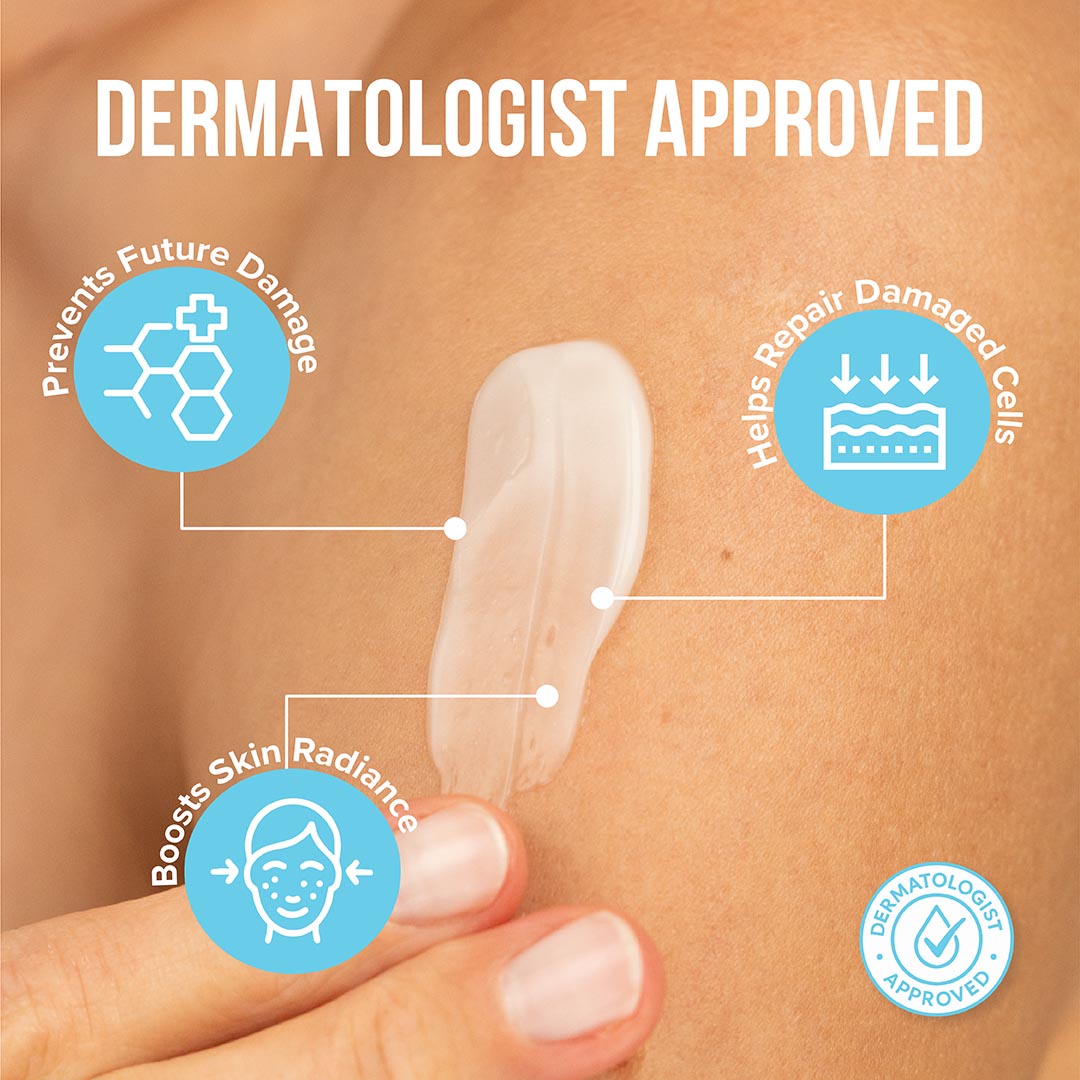
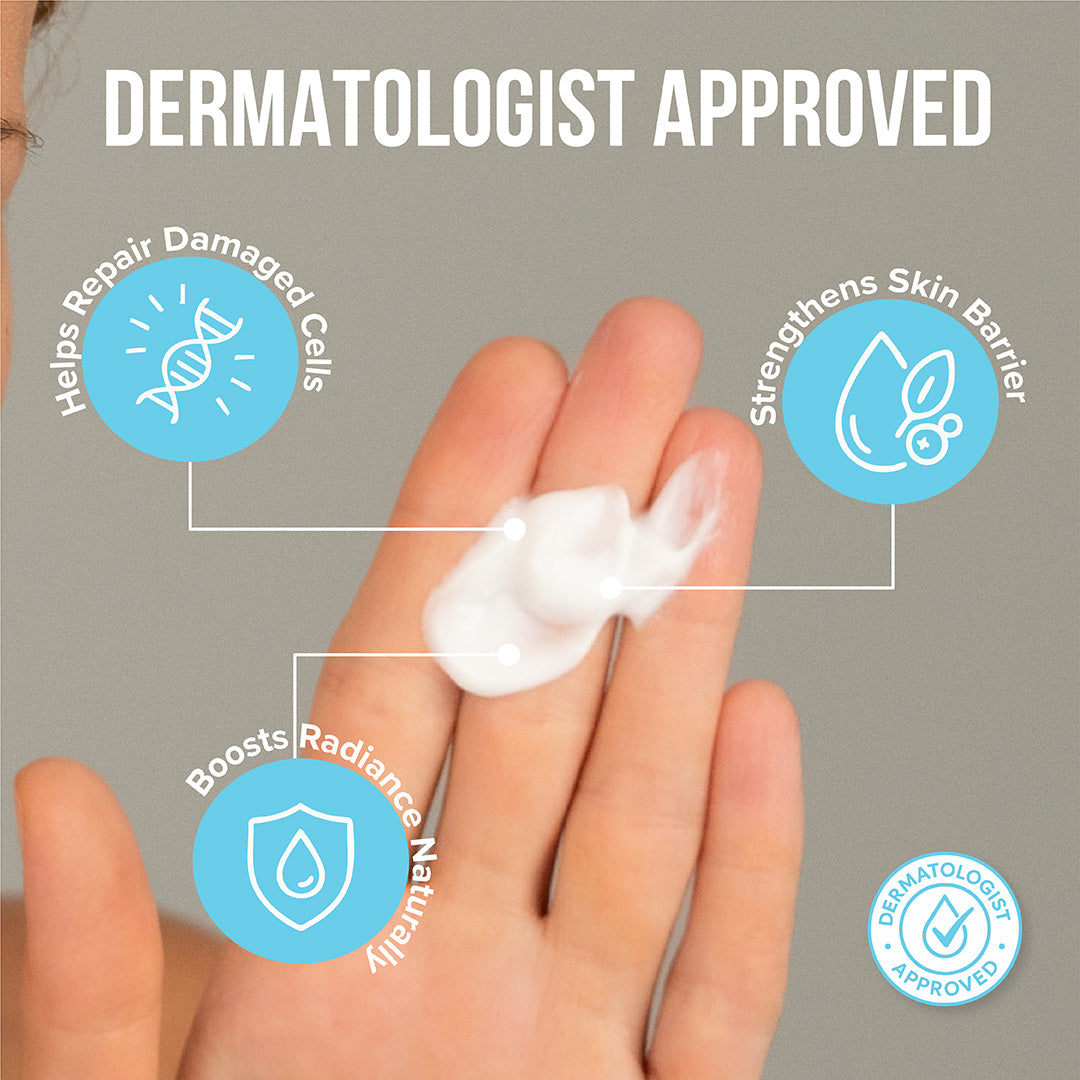
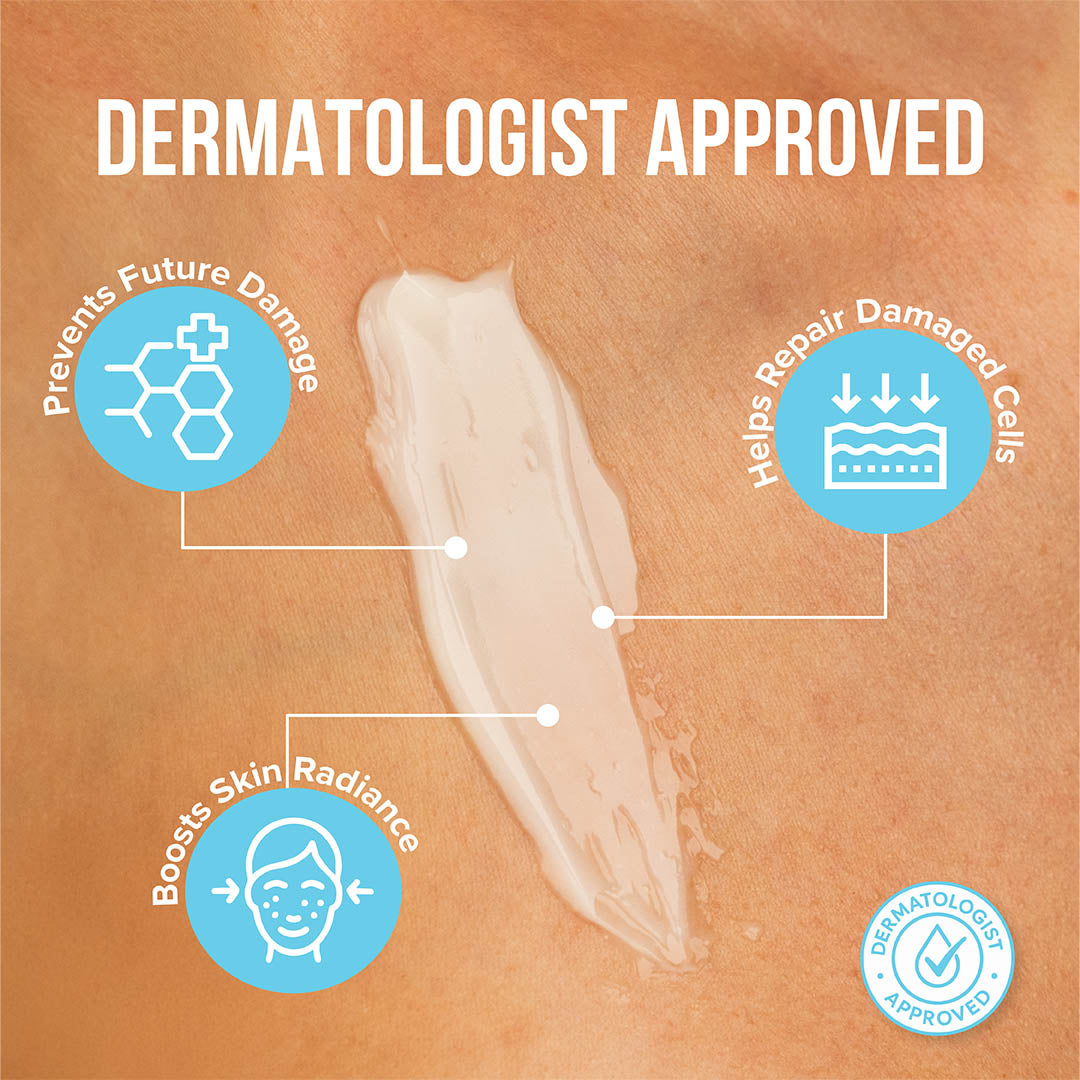
 Dermatologist-Approved