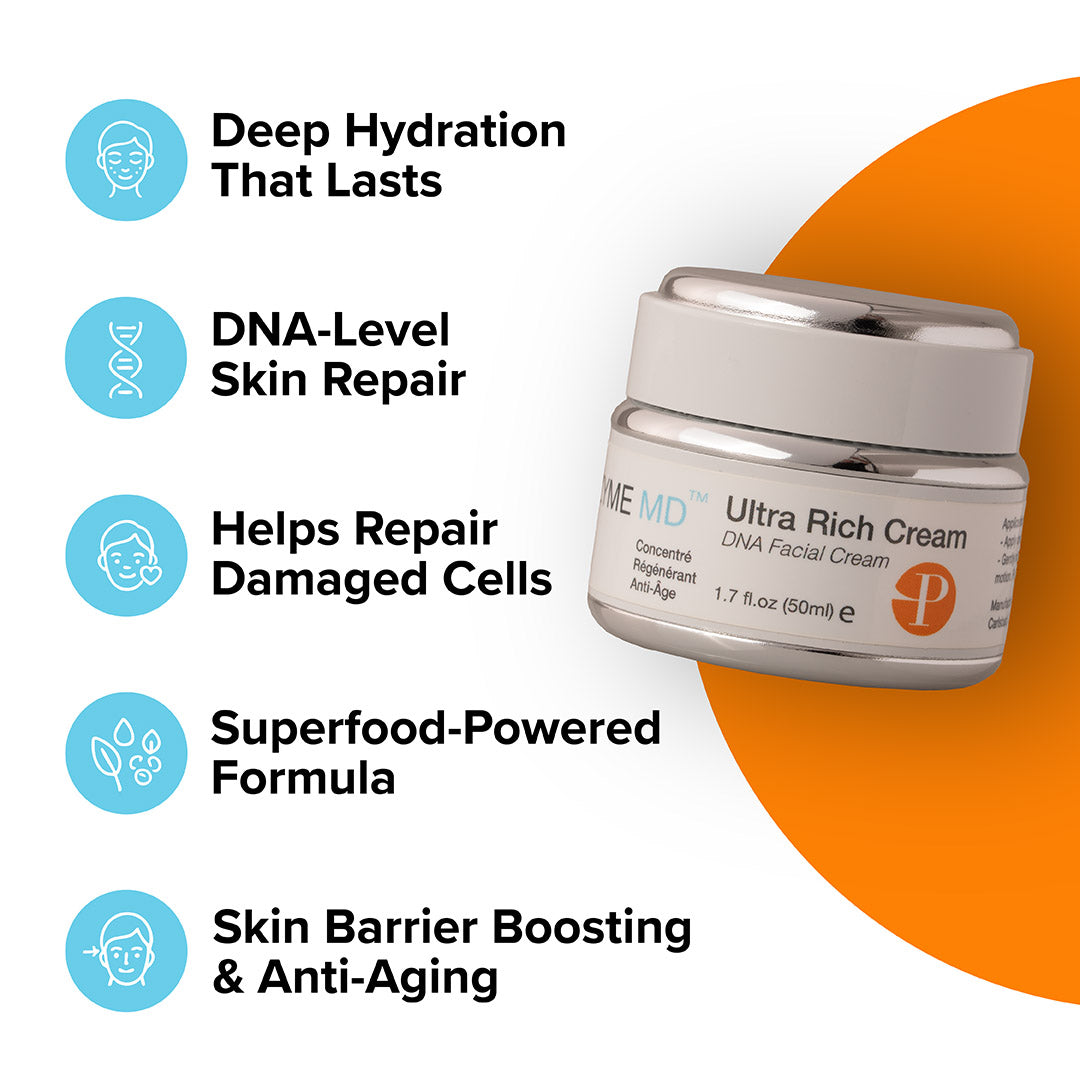
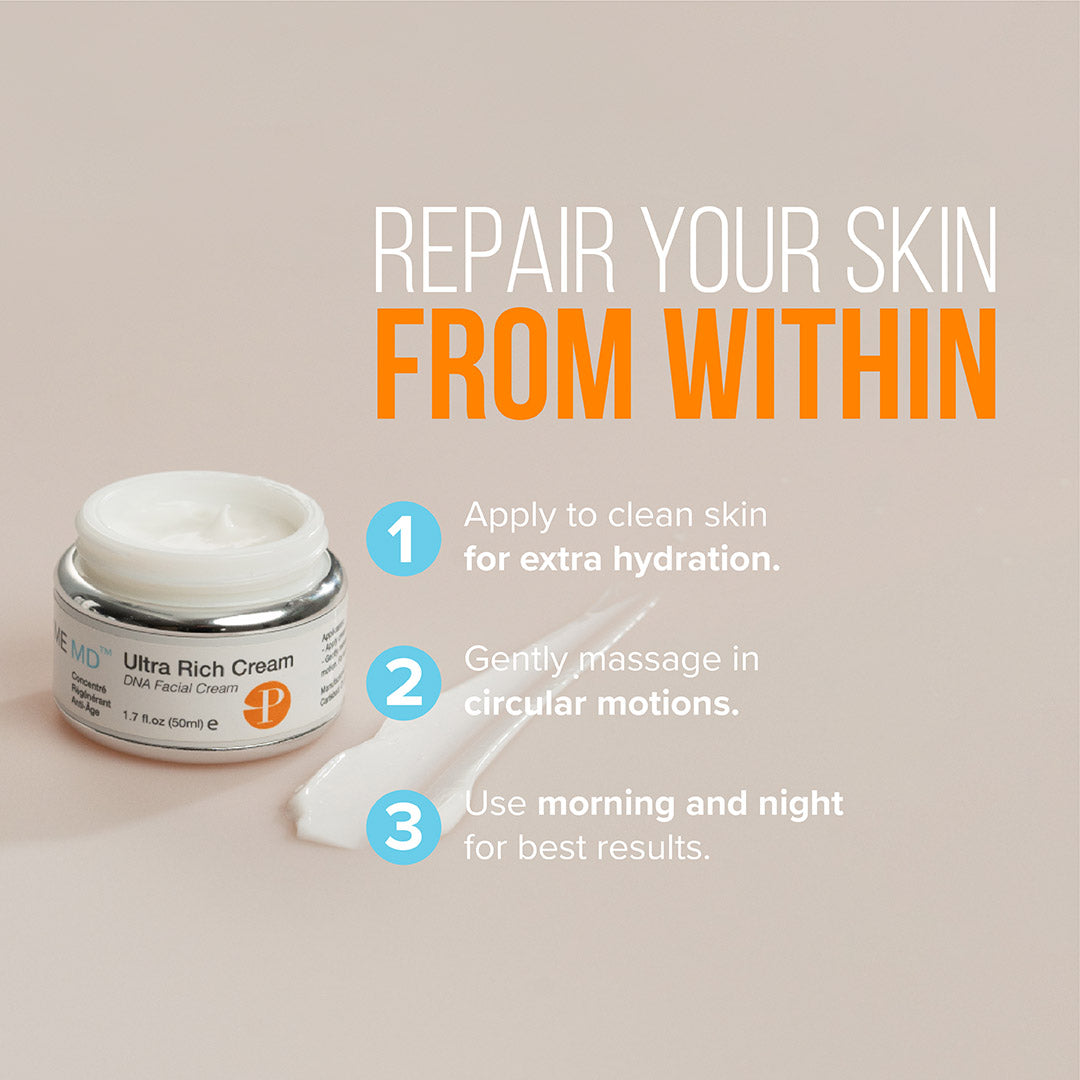
Moisturizer texture determines how effectively your skin receives and retains hydration. When navigating options for dehydrated skin, consider both texture and ingredient combinations to optimize comfort and restore hydration.
When Lightweight Gel Formulas Make Sense
Lightweight gel formulas often appeal to those who feel sticky or overwhelmed by heavier creams, especially in humid climates or for oily skin types. Gels may feature humectants like glycerin and hyaluronic acid, delivering fast-absorbing hydration without residue. However, these lighter formulas may not provide enough barrier reinforcement when dehydration is accompanied by visible flaking, redness, or compromised texture.
Benefits Of Creams And Balm-Based Moisturizers
In contrast, creams and balms typically offer richer concentrations of emollients and occlusives, such as ceramides, fatty acids, and shea butter. These textures form a protective layer on the surface, reducing moisture loss and supporting the repair of a weakened skin barrier. For extremely dehydrated skin, especially when driven by environmental stress or age-related lipid depletion, these heartier textures can deliver sustained hydration and restore supple resilience.
How Combination Textures Support Versatility
Combination moisturizers bridge these categories. By pairing humectants with a blend of emollients and lightweight occlusives, these formulas hydrate the deeper layers and maintain a breathable protective shield. This approach serves most skin types well, adjusting to seasonal shifts or changes in skin condition, such as post-procedure sensitivity or periods of increased environmental exposure.
Matching Texture To Skin Needs And Environment
Aligning moisturizer texture with your current level of dehydration, environmental context, and personal preferences can help achieve balance. Touch, absorption speed, and how the product integrates with the rest of your routine are worth considering as much as the ingredient label. When skin is properly hydrated and fortified, it responds better to both environmental challenges and targeted actives in your regimen.
Understanding absorption, comfort, and layering order, including questions like toner before or after moisturizer, ensures hydration works with the rest of your routine rather than against it.
Daytime vs Nighttime Hydration Strategies
Hydration needs to shift throughout the day, and understanding these rhythms helps optimize how skin receives and retains moisture.
Daytime Hydration For Protection And Comfort
During daylight hours, the primary goal is to support barrier function while shielding against environmental aggressors, especially UV rays and pollution. This is when lightweight, humectant-rich moisturizers with emollients prove their worth. They draw water into the upper skin layers and lock it in, while also layering comfortably under sunscreen and makeup. Ingredients such as glycerin, hyaluronic acid, and squalane serve well in this role, working with the skin’s natural lipid production without feeling heavy.
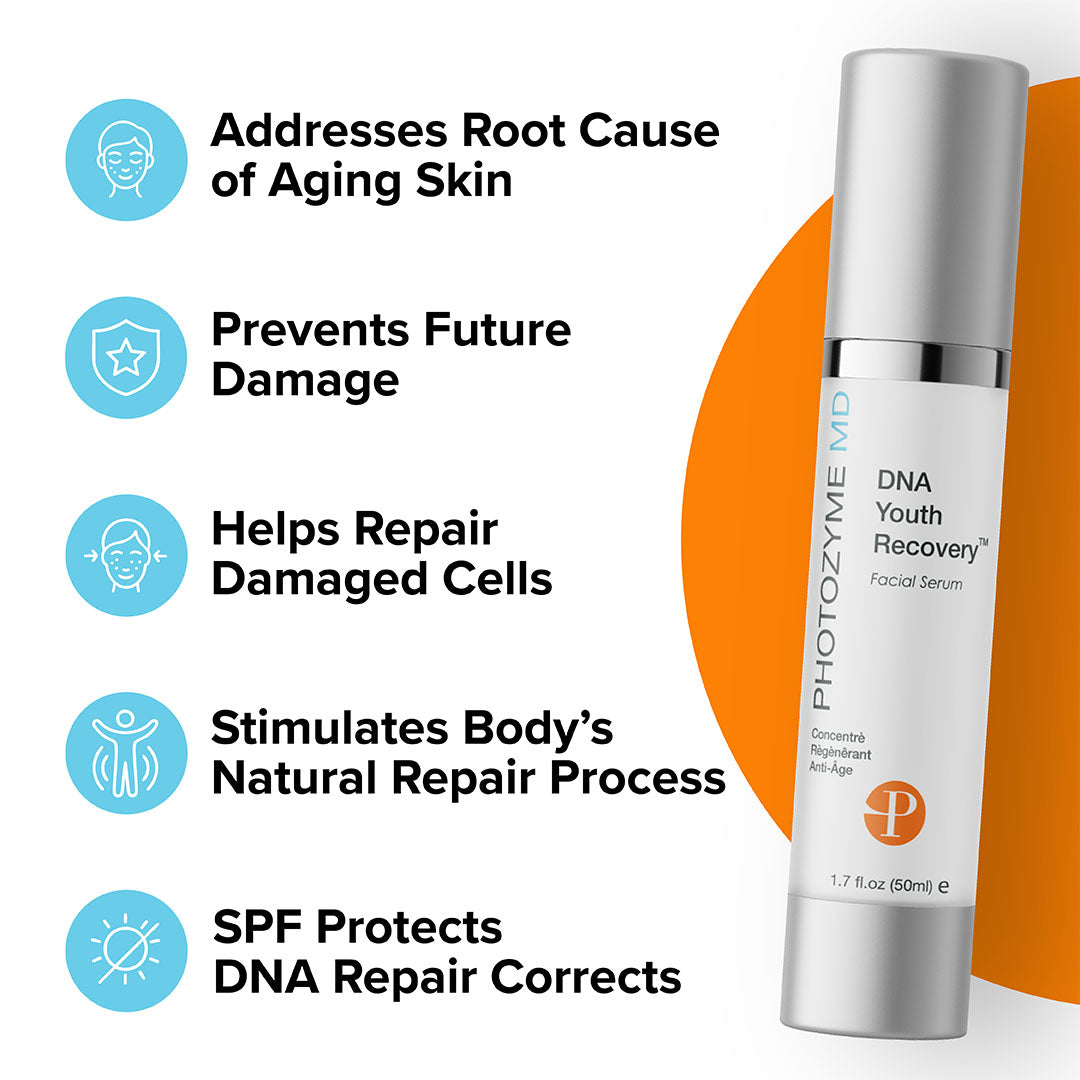
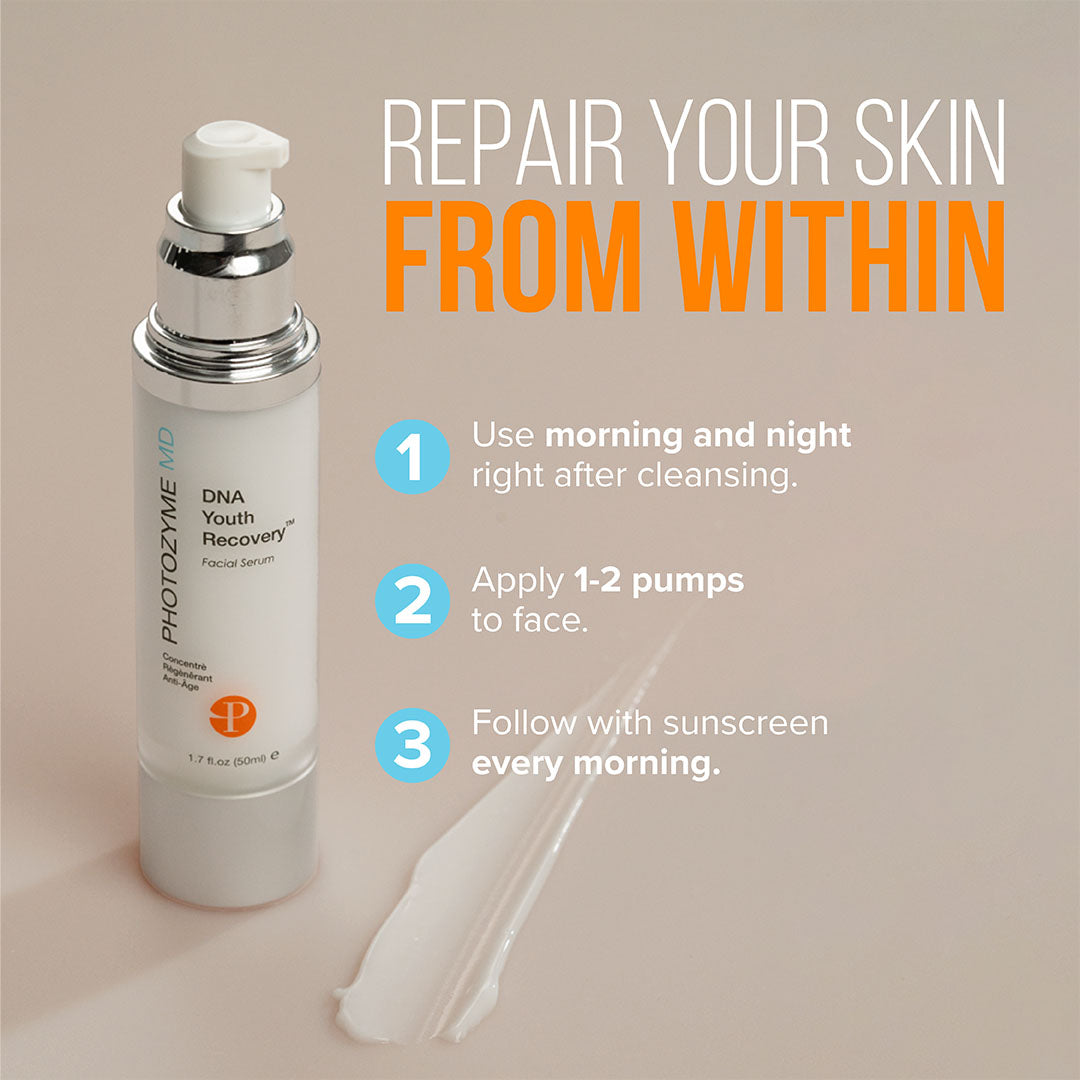
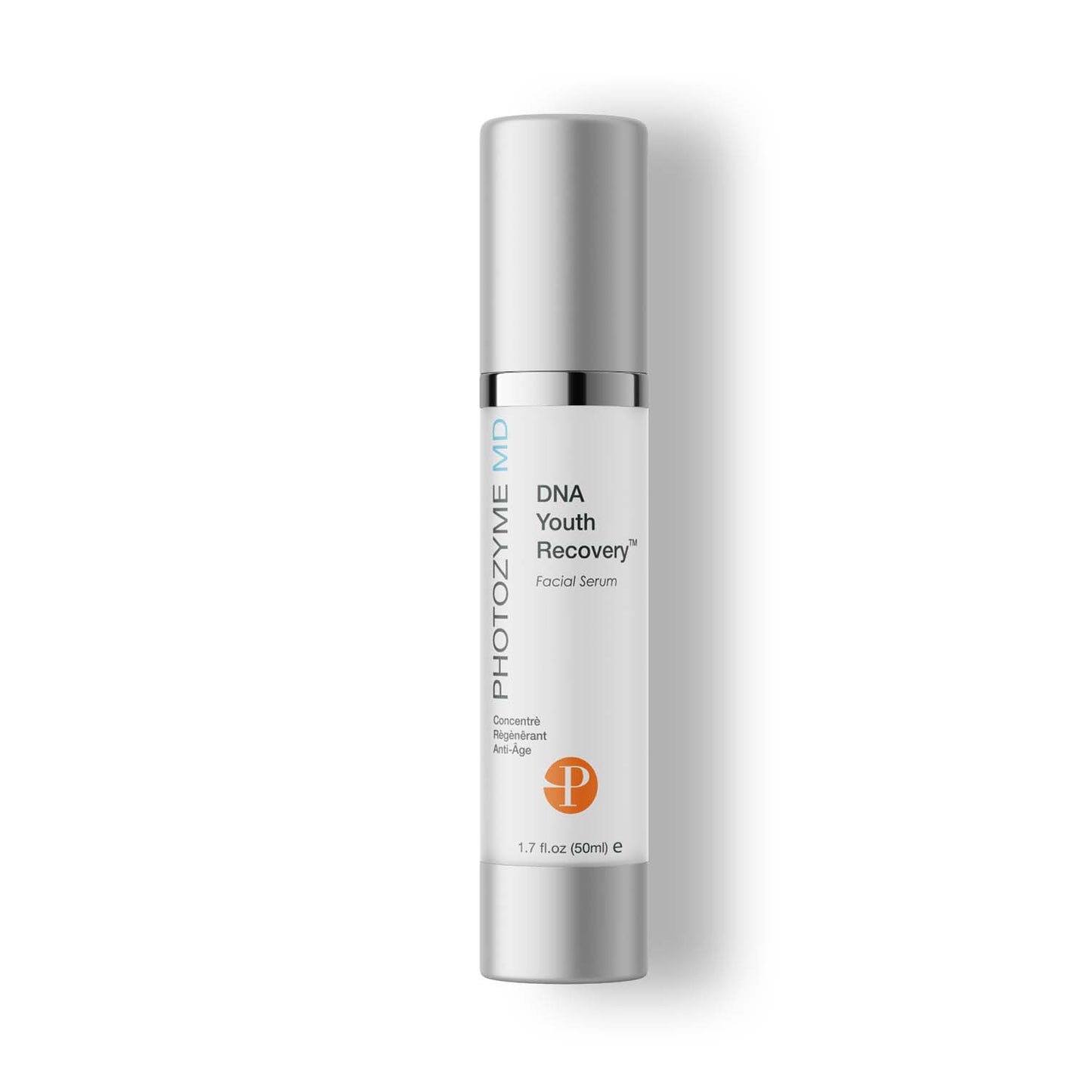
For those managing dehydration worsened by sun exposure, starting with a serum like our Reset Serum, which delivers rapid, deep hydration alongside DNA repair technology, can help restore barrier resilience before layering your daytime moisturizer and SPF.
Nighttime Hydration For Repair And Barrier Support
Nighttime routines create an opportunity for deeper skin recovery. As we sleep, barrier permeability increases and transepidermal water loss tends to rise. Richer, more occlusive moisturizers can better counteract overnight dehydration by sealing in hydration and minimizing water escape. Ceramides, cholesterol, fatty acids, and occlusive agents like shea butter support the skin’s repair cycle, rebuilding the lipid barrier stressed by daily exposure. Some evening products combine hydrating ingredients with actives, such as retinol or gentle enzyme complexes, to encourage cellular renewal while delivering moisture.
Aligning Moisturizer Texture With Skin Biology
A tailored approach, coordinating lighter day creams with richer night formulations, aligns moisture delivery with skin biology. This rhythm not only addresses immediate dryness but gradually builds a stronger, more resilient skin barrier primed to handle both daily stress and nightly renewal.
Patch-Testing A New Moisturizer On Sensitive Skin
Integrating a new moisturizer for dehydrated skin into your regimen can deliver welcome relief, especially when dryness pairs with sensitivity or reactivity. However, even the most promising formulas can contain actives or emollients unfamiliar to your skin, which can lead to irritation. Patch-testing provides a straightforward, evidence-based way to gauge compatibility and reduce the risk of flare-ups.
How To Perform A Proper Patch Test
Begin with clean, dry skin in a discreet area such as the jawline or behind the ear. Apply a small amount of the new moisturizer and let it absorb, keeping the area undisturbed by other products. Monitor the area for over 24 to 48 hours, watching for redness, itching, discomfort, or raised bumps. Mild tingling can occur with some ingredients, but ongoing stinging or visible irritation signals incompatibility.
When To Proceed Or Discontinue Use
If the tested area remains calm and comfortable, extend use to a larger section of skin or proceed with full-face application. If any reaction develops, discontinue use and return to your prior hydration routine. While patch-testing cannot eliminate all risk, it significantly improves the odds of a positive experience for sensitive, dehydrated skin.




 Free Shipping on US Orders $50+
 60-Day Money-Back Guarantee
 Dermatologist-Approved