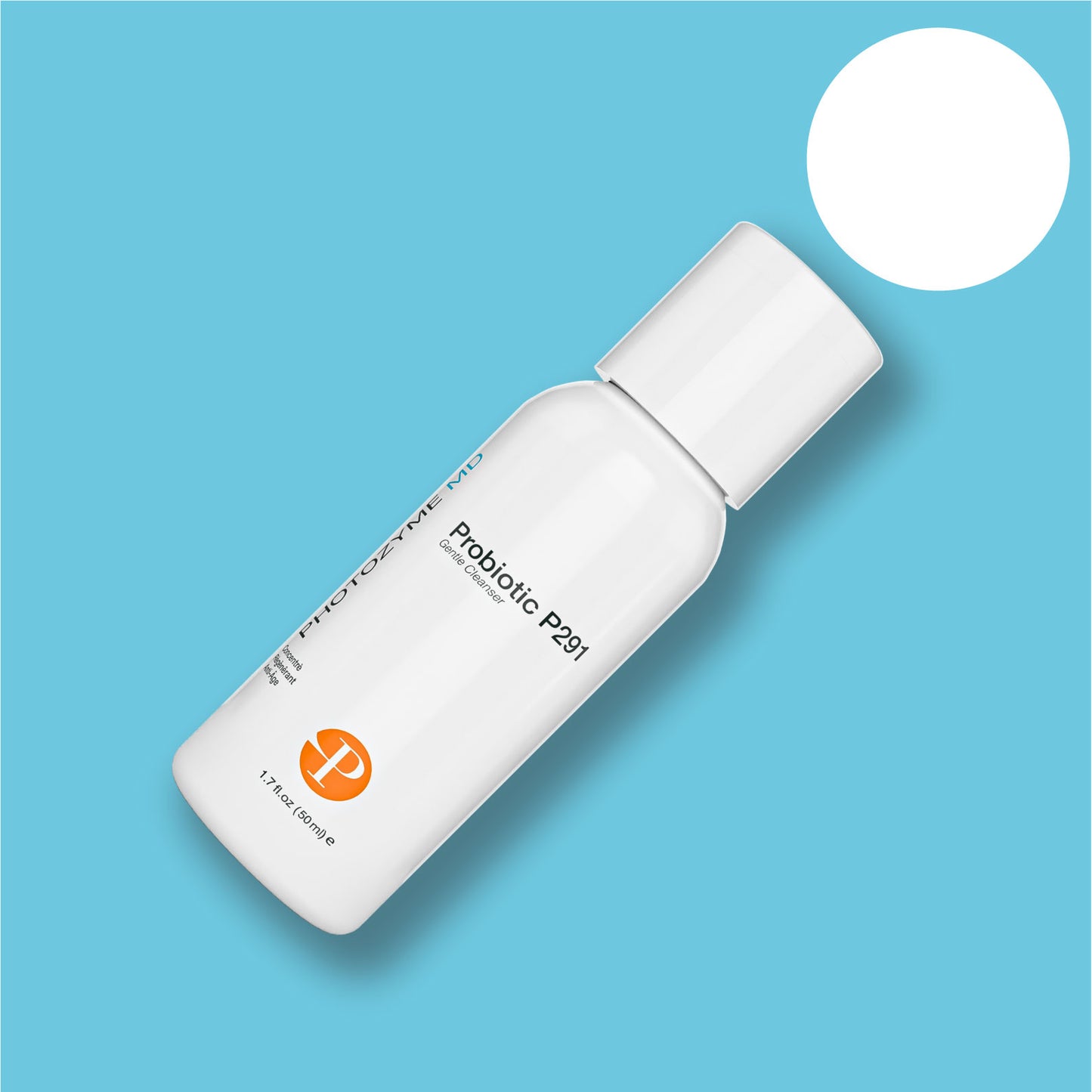
When building a regimen for oily, sun-damaged skin, the interplay between your oily skin cleanser and targeted actives, such as retinoids and vitamin C, is crucial. Cleansing sets the stage for these powerhouse ingredients, removing excess sebum, sweat, and pollutants that would otherwise create a barrier to absorption. For those navigating both shine and the visible signs of photoaging, the integration of retinoids and vitamin C is often transformative.
How Retinoids Benefit From Proper Cleansing
Retinoids, derived from vitamin A, accelerate cell turnover and help with discoloration, fine lines, and the aftermath of persistent oil production. An effective oily skin cleanser ensures that actives in your retinoid treatment penetrate more evenly. Look for cleansers that are non-comedogenic and avoid pore-clogging residues, especially before retinoid application, to minimize irritation while supporting clear pores. Proper sequencing is essential and closely tied to cleansing vs moisturizing order, which affects how well follow-up treatments perform.
Why Vitamin C Needs A Stable Cleansing Base
Vitamin C, typically in the form of L-ascorbic acid or stabilized derivatives, boosts antioxidant defenses against further sun-induced damage. A thoughtfully formulated cleanser maintains the skin barrier and pH, optimizing conditions so vitamin C serums can provide maximum photoprotection and radiance. Consistent use of a gentle but thorough cleanser amplifies the effects of both retinoids and vitamin C, allowing these actives to perform at their best, especially on skin that’s actively repairing from years of UV exposure.
How To Sequence Cleansing With Retinoids And Vitamin C
For optimal results, cleanse both morning and night. Pair vitamin C serums after your AM cleanse for daytime protection, and reserve retinoid treatments for use after your nightly cleansing routine. This sequencing helps both actives absorb efficiently, supporting daily skin renewal and defending against ongoing environmental stressors. This method also complements the goals of a pore cleanser, which keeps buildup to a minimum so that actives can penetrate evenly.
Massage Techniques To Boost Microcirculation
Integrating targeted massage techniques into your cleansing routine plays a direct role in stimulating microcirculation within the skin. Microcirculation refers to the flow of blood through the smallest vessels, supplying essential nutrients and oxygen while carrying away waste products. This heightened flow supports cellular health, encourages rejuvenation, and can give the skin a healthier, more even-toned appearance, especially for those concerned about sun damage and signs of aging.
How To Use Gentle Upward Motions
Begin with gentle, upward strokes using the pads of your fingers, focusing on the cheeks, forehead, and jawline. This motion encourages lymphatic drainage without stretching or stressing the skin barrier. Circular motions around the orbital bone help target areas prone to puffiness and fatigue, delivering a fresh supply of oxygen to sensitive under-eye skin.
Where To Apply Targeted Pressure
For areas of accumulated tension, such as the temples or along the brows, apply gentle pressure in small circles; you should feel relaxed, never sore. These subtle techniques help release tension and support circulation in zones that tend to hold stress throughout the day.
Why Cleanser Slip Protects The Skin
Always work with damp skin after applying your oily skin cleanser. The slip provided by the cleanser’s lightweight texture minimizes friction, reducing the risk of irritation for sensitive or photoaged skin types. Consistently practicing these massage methods, even for just one or two minutes each cleanse, can improve microvascular function over time, contributing to a more radiant complexion and greater skin resilience.




 Free Shipping on US Orders $50+
 60-Day Money-Back Guarantee
 Dermatologist-Approved