Selecting the proper retinol strength is crucial for achieving effective and comfortable results, especially for men new to this ingredient or those managing concerns such as sun damage, uneven skin tone, or visible signs of aging.
Understanding Common Retinol Percentages
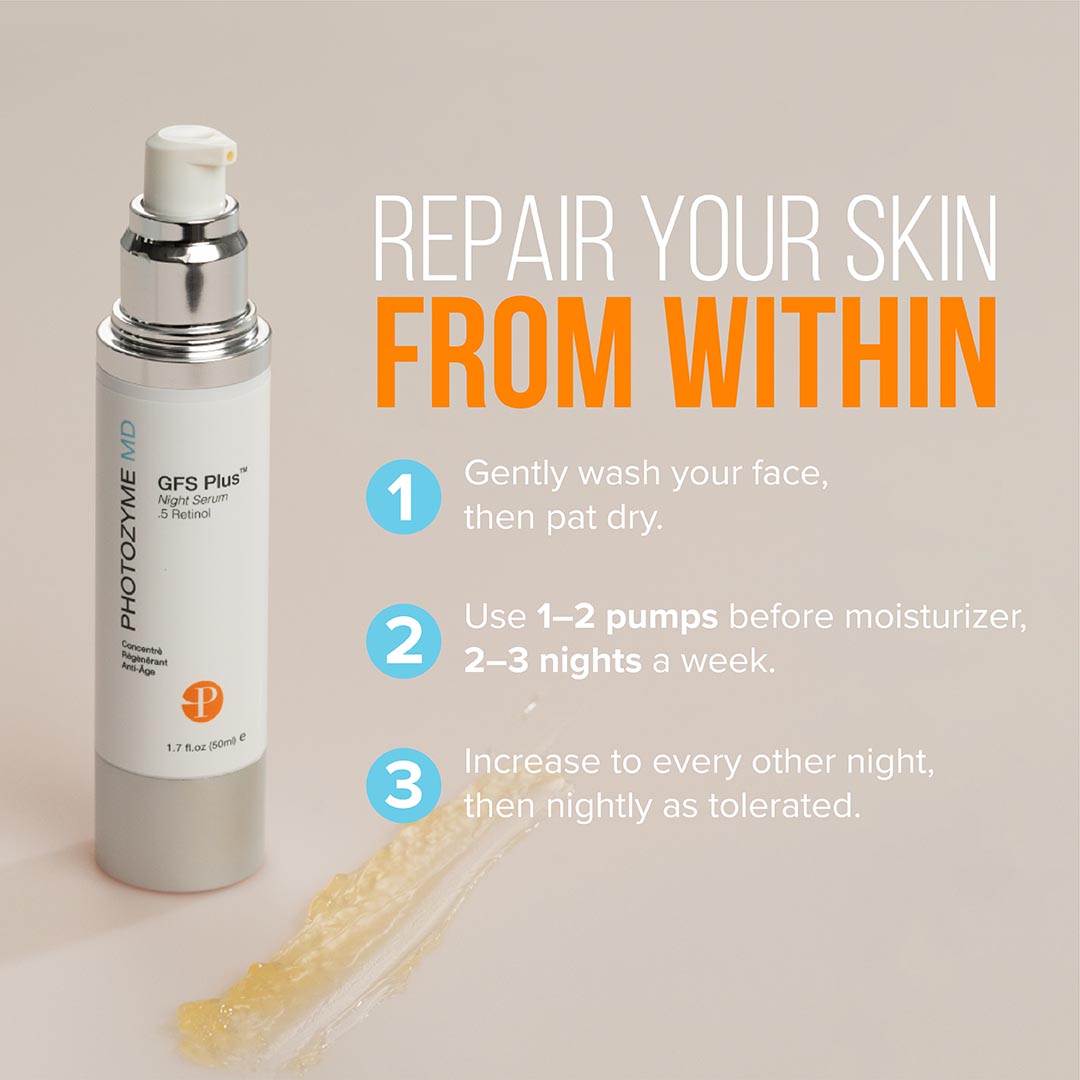
Retinol strengths are typically measured in percentages, commonly ranging from 0.25% (low) to 1% (high). If you have sensitive skin or if you’re introducing retinol, start with a lower concentration. This minimizes irritation, peeling, and redness, side effects that often discourage consistent use. Gradually increasing the strength over several months gives your skin time to adjust, improving both tolerance and visible results.
How Skin Thickness And Oil Levels Affect Strength Choice
Men with oilier or thicker skin may be able to handle stronger retinol concentrations initially, but that doesn’t mean higher concentrations are always better. Excessive retinol can disrupt the skin barrier, resulting in dryness or breakouts. Balancing strength with your skin’s needs helps optimize outcomes without unnecessary discomfort and guides decisions around how much retinol to use at each stage.
Why Formulation Matters For Men’s Routines
Look for retinoid formulas designed for men’s skincare, as these often include ingredients to reduce irritation and improve absorption. Always pay attention to how your skin responds, and remember that retinol is most effective when used as a steady, long-term commitment rather than a quick fix. If you are uncertain, consult a dermatologist or skincare professional who can tailor recommendations to your unique skin profile.
Retinol For Acne-Prone Men: Clearing Breakouts And Scars
Retinol targets acne at multiple levels. It speeds up skin cell turnover, meaning dead cells are sloughed away before they can clog pores—a crucial step in preventing new breakouts. Inflammation, often a culprit behind angry red pimples, is also noticeably reduced when retinol is used consistently.
Over time, retinol can help fade post-acne marks. By encouraging the formation of new, healthy skin cells and aiding in collagen production, retinol helps soften the appearance of textured scars and discolored spots. The result is skin that looks more even-toned and feels refined.
Consistency is key. Most men see improvement after 8 to 12 weeks of regular use. Because retinol can increase skin sensitivity, especially initially, it’s essential to use a small amount, gradually increase the frequency, and always pair it with daily sun protection.
Shaving And Retinol: Timing It Right To Avoid Irritation
Shaving and applying retinol can both challenge your skin’s barrier. When paired incorrectly, the result is often redness, sting, or even flaky patches. Understanding the right timing makes a difference, especially for men using retinol for the first time or those seeking to maximize the benefits of men’s skincare retinoids while minimizing risk.
Why Freshly Shaved Skin Needs Extra Care
If you shave in the morning, apply retinol in the evening. Freshly shaved skin has tiny nicks and a temporarily weakened barrier, making it more sensitive to active ingredients. By waiting several hours, you allow your skin to recover before introducing retinoids. Those who shave at night should consider skipping retinol immediately after and reach for it on nights when shaving isn’t part of your routine.
How Hydration Supports Post-Shave Recovery
Proper hydration is also key. Use a gentle, fragrance-free moisturizer after shaving to soothe the skin, then allow it time to absorb before applying retinoids. Avoid aftershaves containing alcohol or strong astringents, as they can exacerbate sensitivity when used in combination with retinol.
How To Adjust Timing Based On Skin Feedback
Finally, pay attention to what your skin tells you. If you notice unusual irritation, reduce the frequency of retinoid use or allow more time between shaving and application. Consistency, not speed, is most important for seeing visible improvements from men’s skincare retinoids without unnecessary irritation.




 Free Shipping on US Orders $50+
 60-Day Money-Back Guarantee
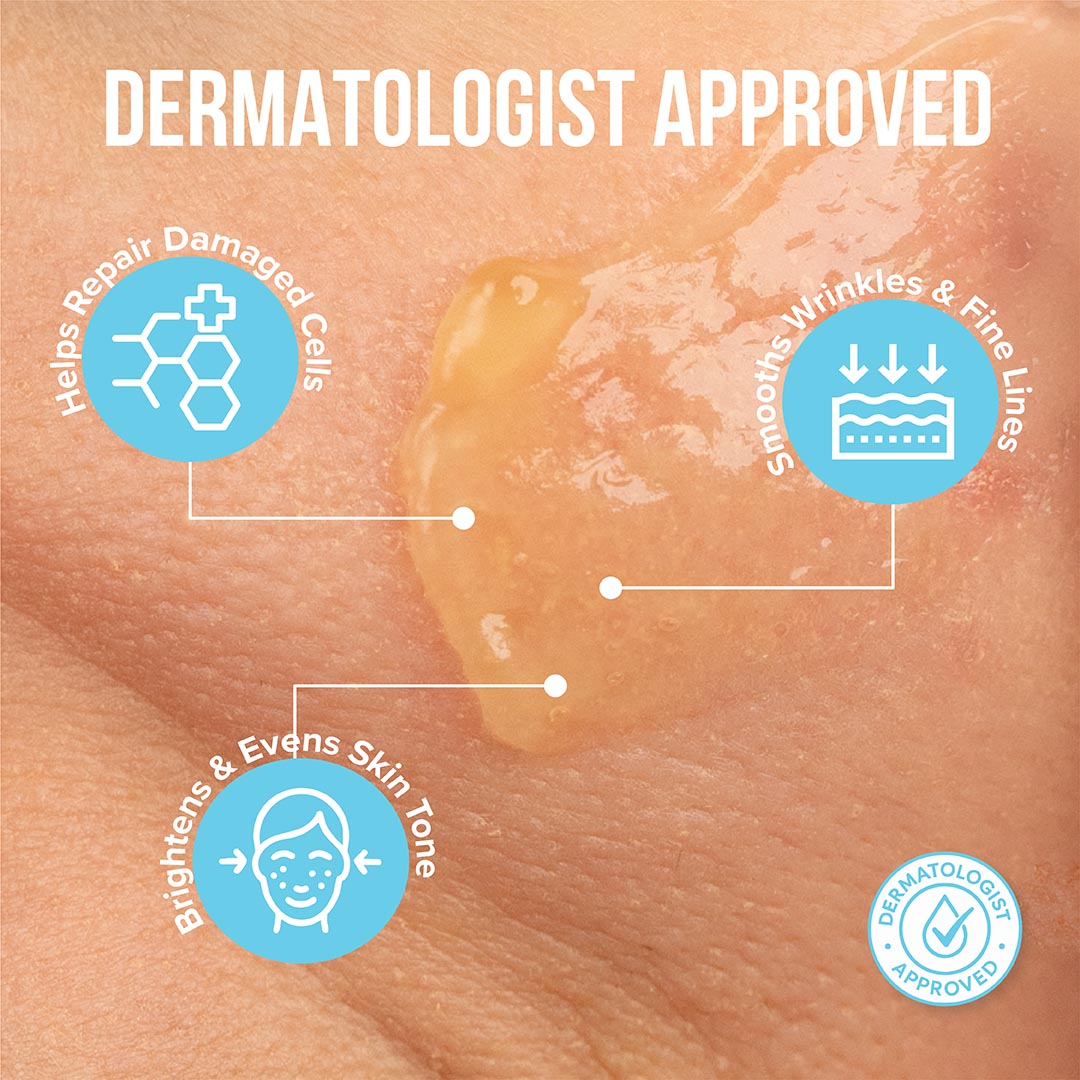
 Dermatologist-Approved