A retinol routine for oily skin requires a specific sequence and product selection that accounts for both the active ingredient's requirements and the particular needs of a skin type that produces excess sebum. The structure of your routine determines how well retinol performs and how comfortably your skin adapts.
Cleansing Before Retinol Application
Start with a gentle, pH-balanced cleanser that removes excess sebum and surface debris without stripping the barrier. Oily skin often tolerates slightly more thorough cleansing than other skin types, but over-cleansing before retinol application removes the lipid buffer that helps moderate penetration intensity. Clean skin is necessary, but stripped skin increases the risk of unnecessary irritation.
Applying Retinol To Dry Skin
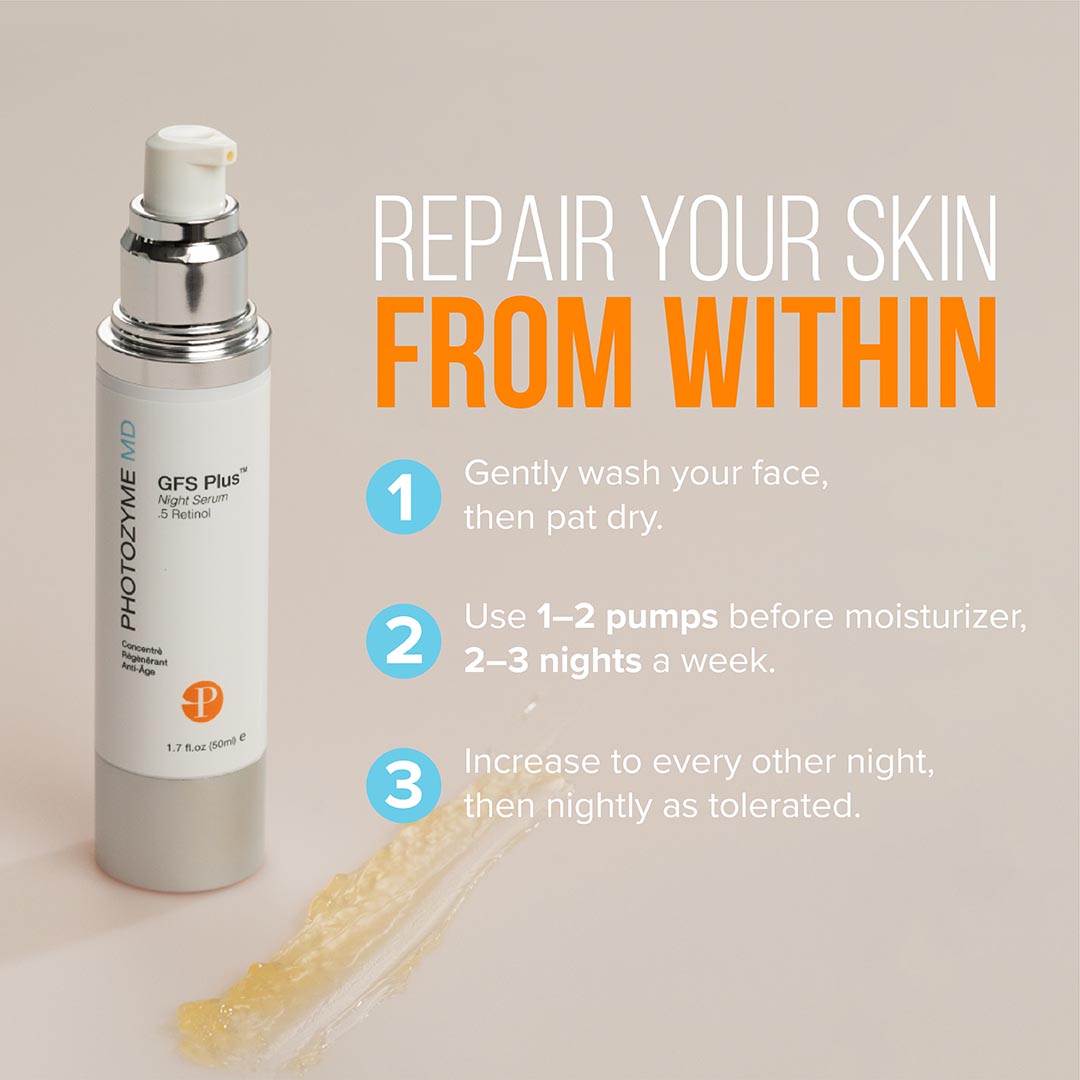
Always allow skin to dry completely after cleansing before applying retinol. Applying to damp skin increases penetration depth beyond what most skin can comfortably manage during the adjustment period, even for oily types. Waiting two to three minutes after cleansing before applying your retinol product gives skin time to return to a neutral state that supports controlled, effective absorption.
Moisturizer Placement For Oily Skin
Oily skin still requires moisturizer after retinol, despite having sufficient natural oil production. Retinol increases transepidermal water loss, leading to a depletion of water content even when sebum production remains high. Even oily skin can benefit from the formulations in our Best Serum For Dry Skin collection when looking for lightweight, water-based hydration support. Choose a lightweight, non-comedogenic moisturizer that provides water-based hydration without adding lipid weight. Applying it 2 to 3 minutes after retinol seals in the active ingredients without disrupting their penetration.
Morning Routine Adjustments During Retinol Use
Retinol use requires consistent morning SPF application without exception. Retinol accelerates cellular turnover, exposing newer, less UV-hardened cells at the surface that are more vulnerable to photodamage. For oily skin, choose a non-comedogenic mineral SPF that protects without clogging pores. This morning protection step is what allows your retinol to work overnight to actually translate into lasting improvement.
How DNA Repair Enzymes And Retinol Work Together For Oily Skin
Retinol and DNA repair enzymes address skin aging and damage through different but complementary mechanisms. When used together, they create a more comprehensive approach to skin health than either ingredient can deliver on its own, and for oily skin, this combination offers specific advantages.
What DNA Repair Enzymes Do That Retinol Cannot
Retinol drives cellular turnover and stimulates collagen production, but it doesn't directly address UV-induced DNA mutations within existing skin cells. DNA repair enzymes, specifically the plant-derived photolyases used in our formulations, target these mutations at the source. Topical photolyase has been demonstrated to repair UV-induced cyclobutane pyrimidine dimers in epidermal cells, preventing associated immunosuppressive effects (PMC, 2000). This means that while retinol replaces damaged cells through turnover, DNA repair enzymes simultaneously correct damage in cells that haven't yet been replaced, creating a more thorough repair process.
Why This Combination Matters For Oily Skin Specifically
Oily skin is not immune to photoaging. UV-induced DNA damage accumulates regardless of sebum production levels, and sun-exposed oily skin develops the same structural decline over time as other skin types. Those also dealing with UV-related pigmentation can find targeted guidance in our article on How to Get Rid of Age Spots. The combination of the best retinol formulations for oily skin with DNA repair enzyme support means you're addressing both the visible surface effects of aging and the underlying cellular damage that drives them.
How Our GFS Plus Night Serums Deliver Both
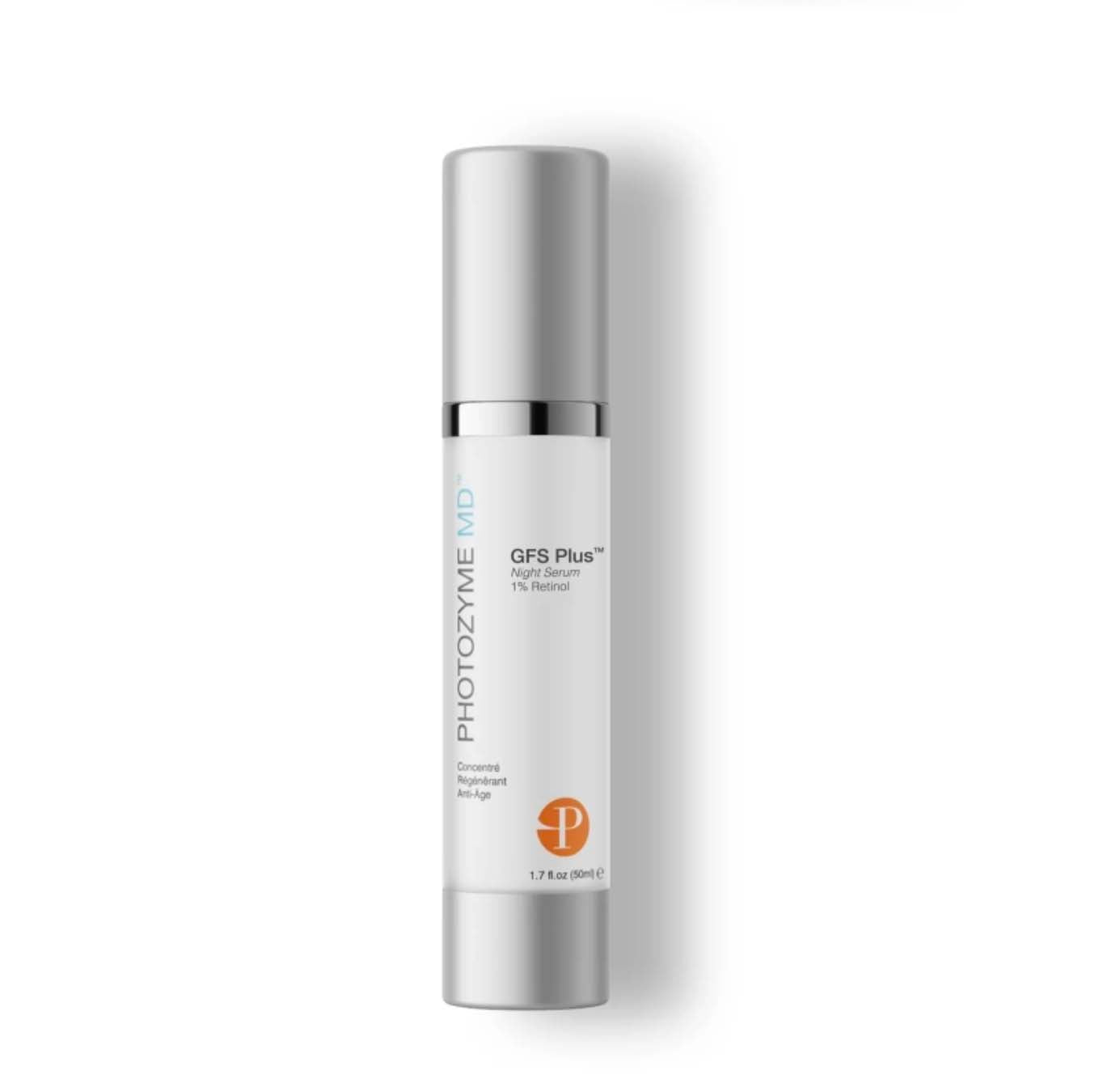
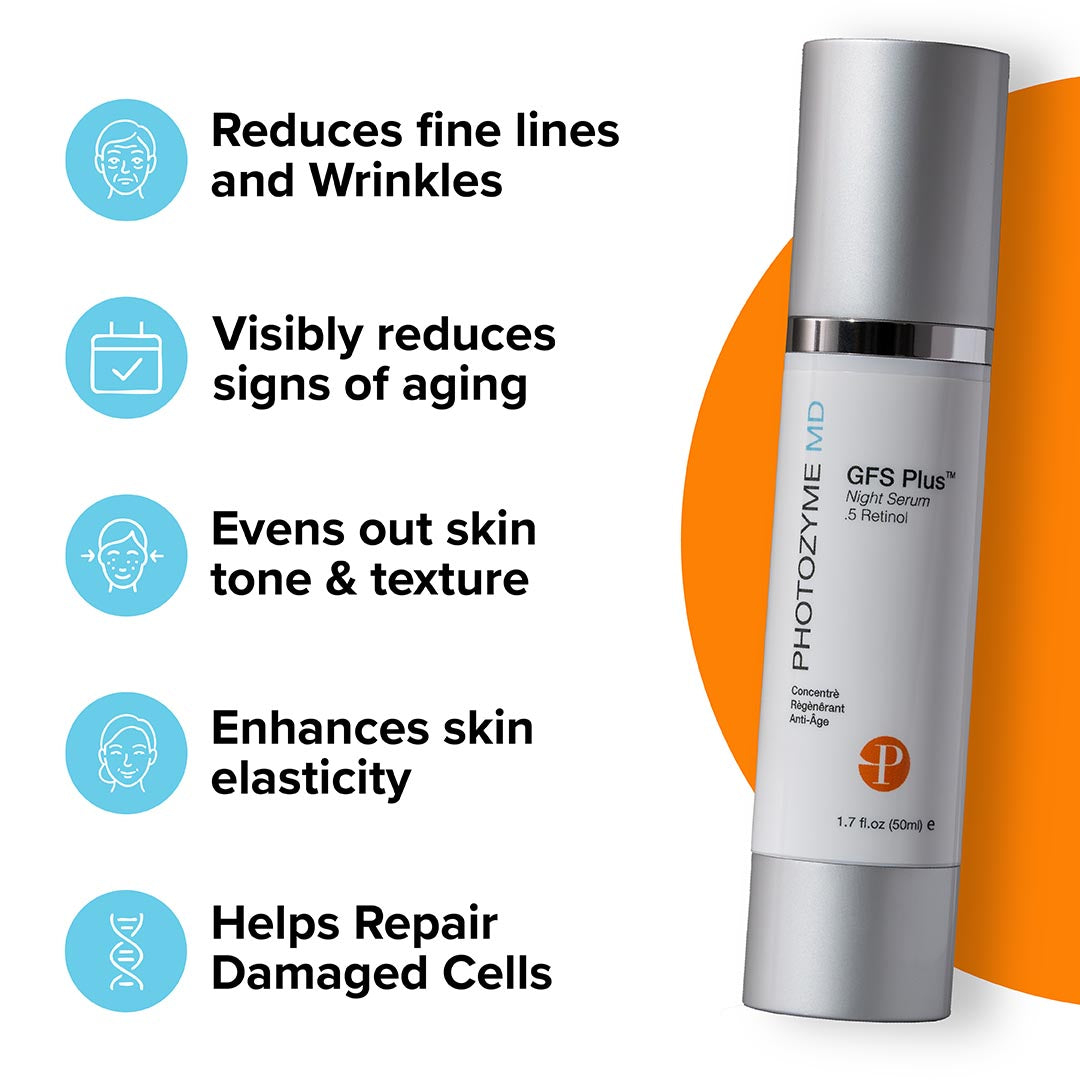
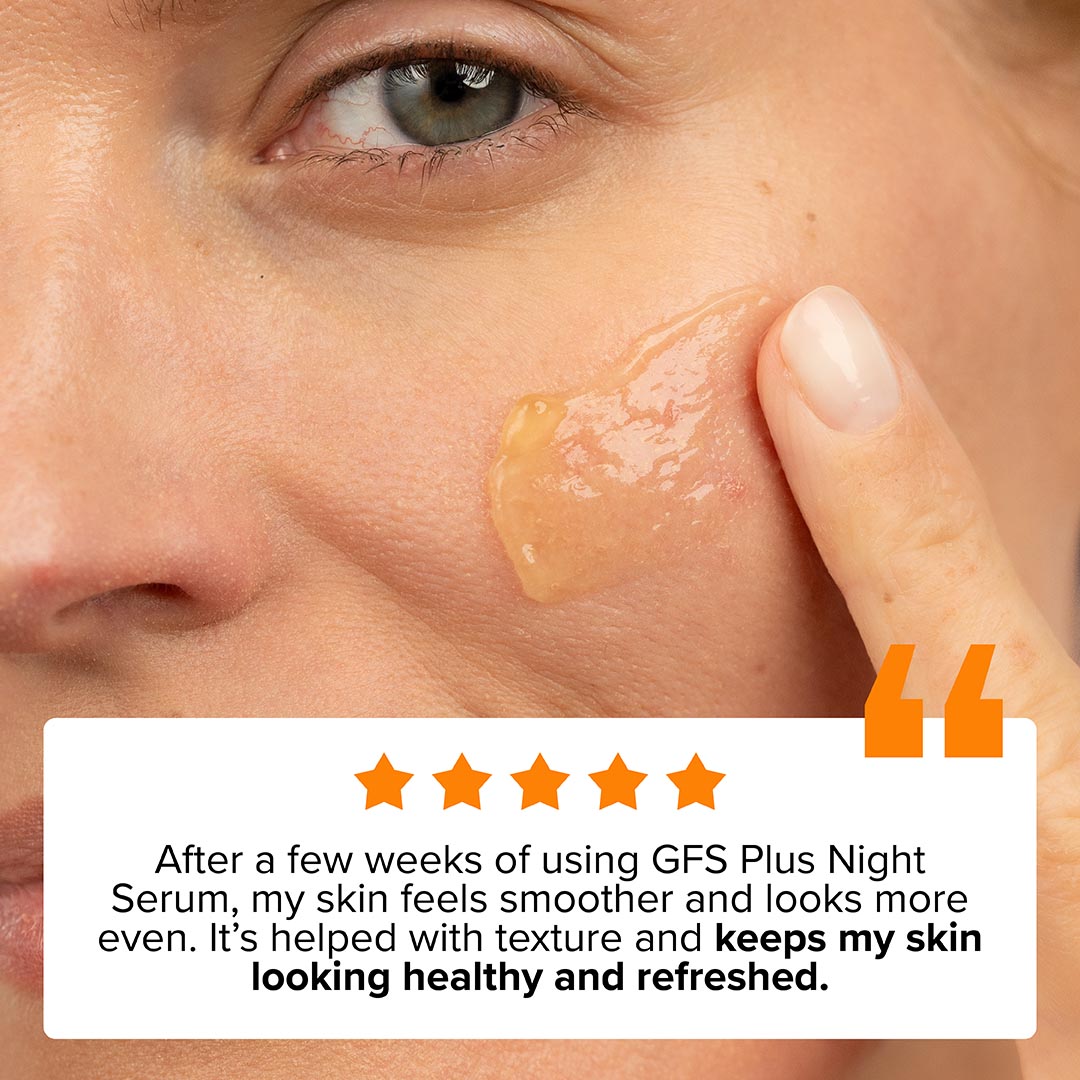
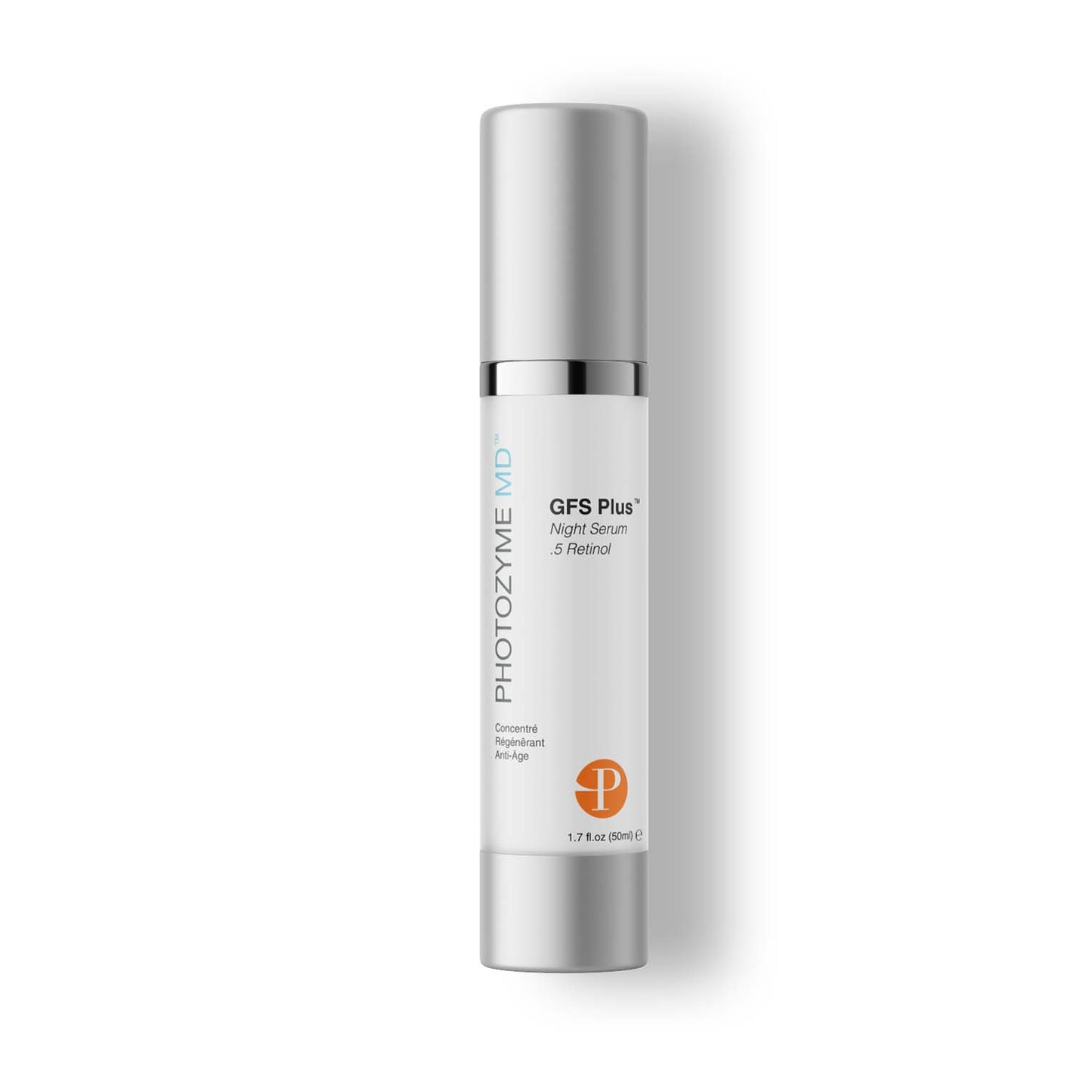
Our GFS Plus Night Serum line integrates retinol with DNA repair enzymes in a single formulation, eliminating the need to layer separate products for these two mechanisms. Our GFS Plus Night Serum with 0.3% Retinol and Bakuchiol incorporates bakuchiol, which complements retinol's action while moderating irritation, making it a particularly relevant option for oily skin types in the earlier stages of building retinol tolerance.
The Overnight Repair Advantage
Both retinol and DNA repair enzymes work most effectively during the skin's overnight repair cycle, when cellular activity increases and environmental stressors are absent. Applying a formulation that combines both mechanisms at night concentrates their complementary actions during the window when skin is most receptive to repair and renewal, maximizing the return on each application.




 Free Shipping on US Orders $50+
 60-Day Money-Back Guarantee
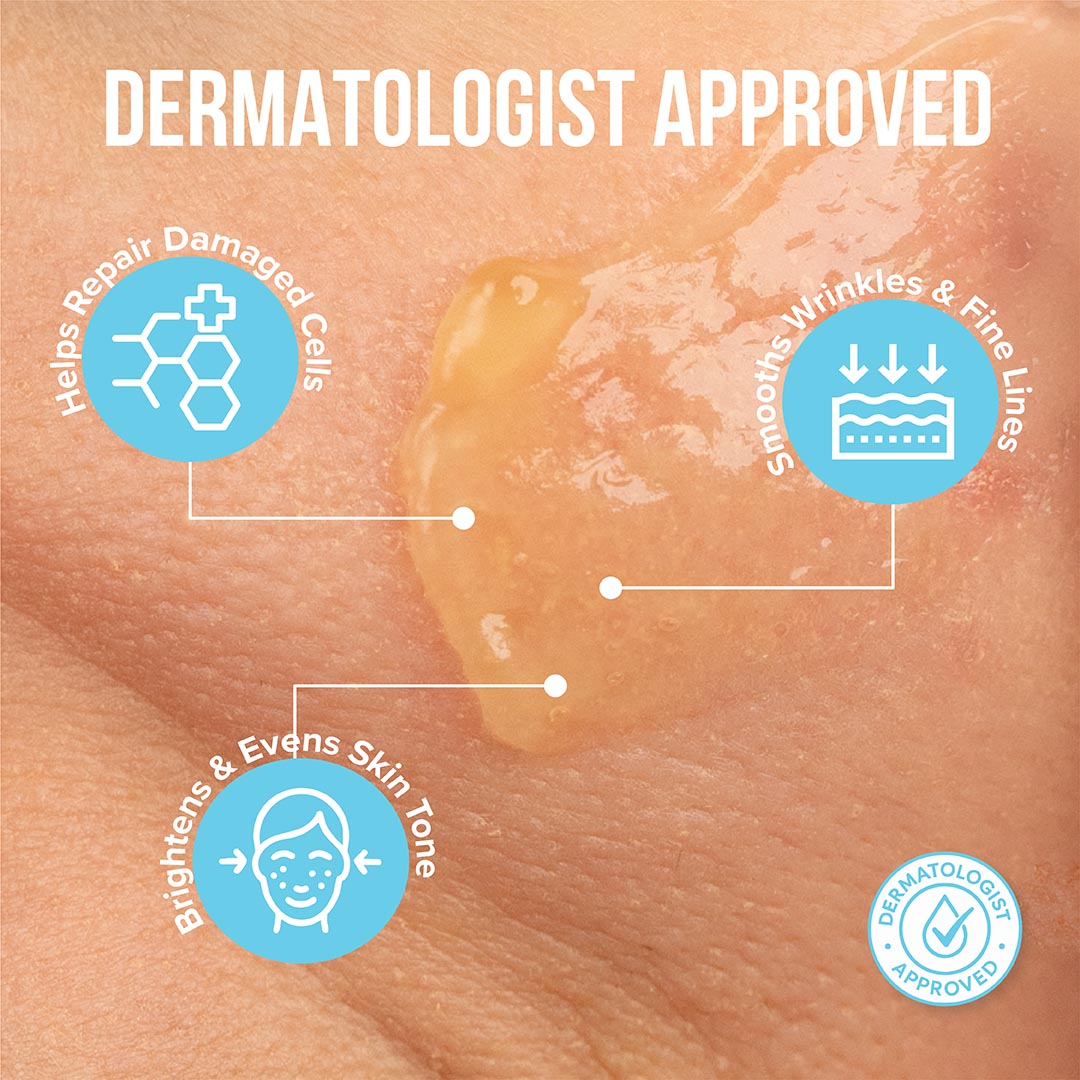
 Dermatologist-Approved