Barrier damage is not always obvious. The signs are specific and recognizable once you know what to look for, and identifying them early prevents the cycle of product switching that delays real recovery.
Tightness That Moisturizer Cannot Fix
When the lipid matrix between skin cells is disrupted, moisture escapes faster than topical products can replenish it. Skin feels tight within an hour of moisturizing, not because the product failed, but because there is no functional barrier to retain what was applied. This is the defining characteristic of structural lipid deficiency rather than simple surface dehydration.
Sudden Reactivity To Familiar Products
A compromised barrier allows ingredients to penetrate at depths the skin was not designed to manage, triggering stinging, redness, or irritation from products that previously caused no problems. If your routine has not changed but your skin has become increasingly reactive, barrier dysfunction is almost always the underlying cause rather than product incompatibility.
Persistent Redness And Inflammation
When the stratum corneum loses its structural integrity, environmental irritants can more easily reach immune cells beneath it, increasing the frequency and intensity of inflammatory responses. For those already managing vascular reactivity, our piece on whether Hyaluronic Acid Is Effective for Reducing Redness covers how hydration and barrier function interact specifically in reactive and inflamed skin.
Flaking, Rough Texture, And Dehydration Lines
Visible surface flaking, combined with fine dehydration lines, reflects both lipid depletion and insufficient moisture-retention capacity at the structural level. This combination responds poorly to hydration-only approaches because the barrier cannot retain the delivered water without the lipid matrix beneath it restored.
 Free Shipping on US Orders $50+
 60-Day Money-Back Guarantee
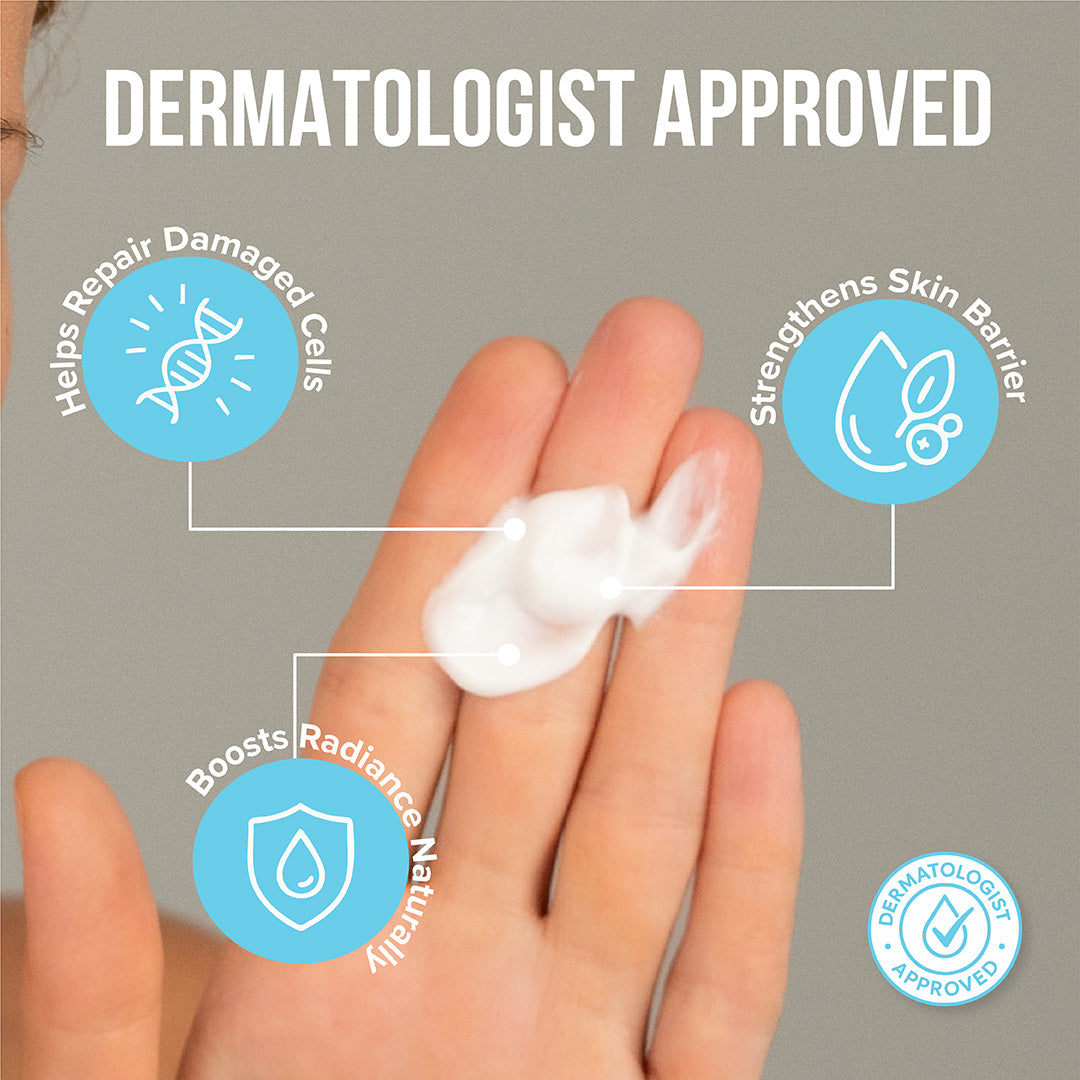
 Dermatologist-Approved