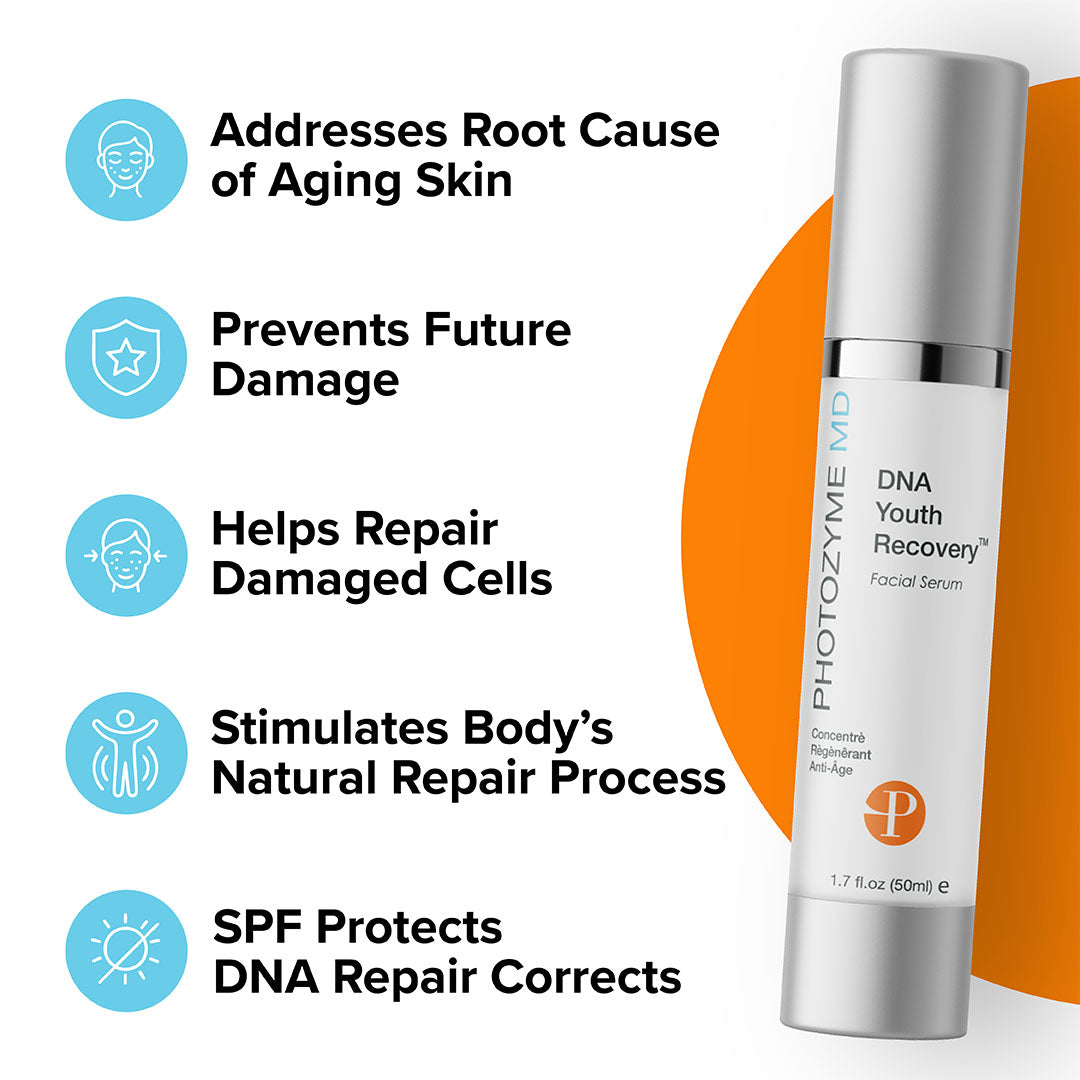
Serums and sunscreens serve distinct yet complementary roles. Together, they create a scientifically validated defense strategy for prevention and repair, ensuring your skin is protected and supported daily.
Why Your Serum Needs A Partner
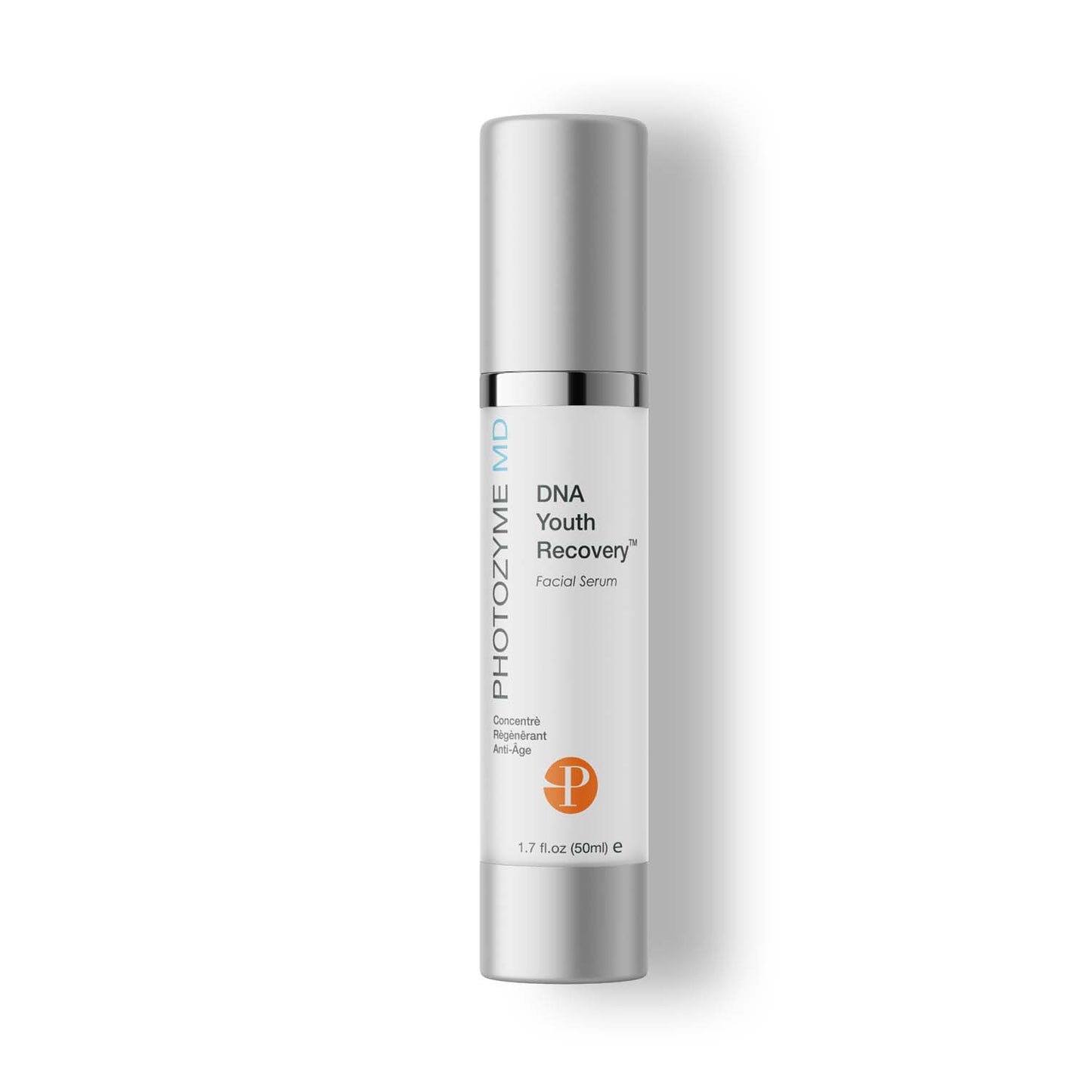
A plump skin serum hydrates, repairs DNA lesions, and strengthens elasticity. But without sunscreen, UV exposure continues introducing new damage that undermines long-term progress and visible improvements.
The Science Of Correction & Protection
Research demonstrates that DNA repair enzymes and antioxidants neutralize existing oxidative stress, while sunscreen blocks incoming UV radiation. This duality keeps collagen intact, prevents pigmentation, and safeguards cellular renewal.
How The Synergy Works
Serums correct damage by activating repair pathways and boosting hydration. Sunscreens act as a shield, preventing further DNA mutations and reducing inflammatory triggers that accelerate fine lines and uneven tone.
Clinical Support For Daily Use
Dermatologists and estheticians emphasize the importance of pairing serums with SPF. Clinical trials show that using both products consistently significantly reduces photodamage, improves hydration retention, and enhances resilience.
Application Protocol For Best Results
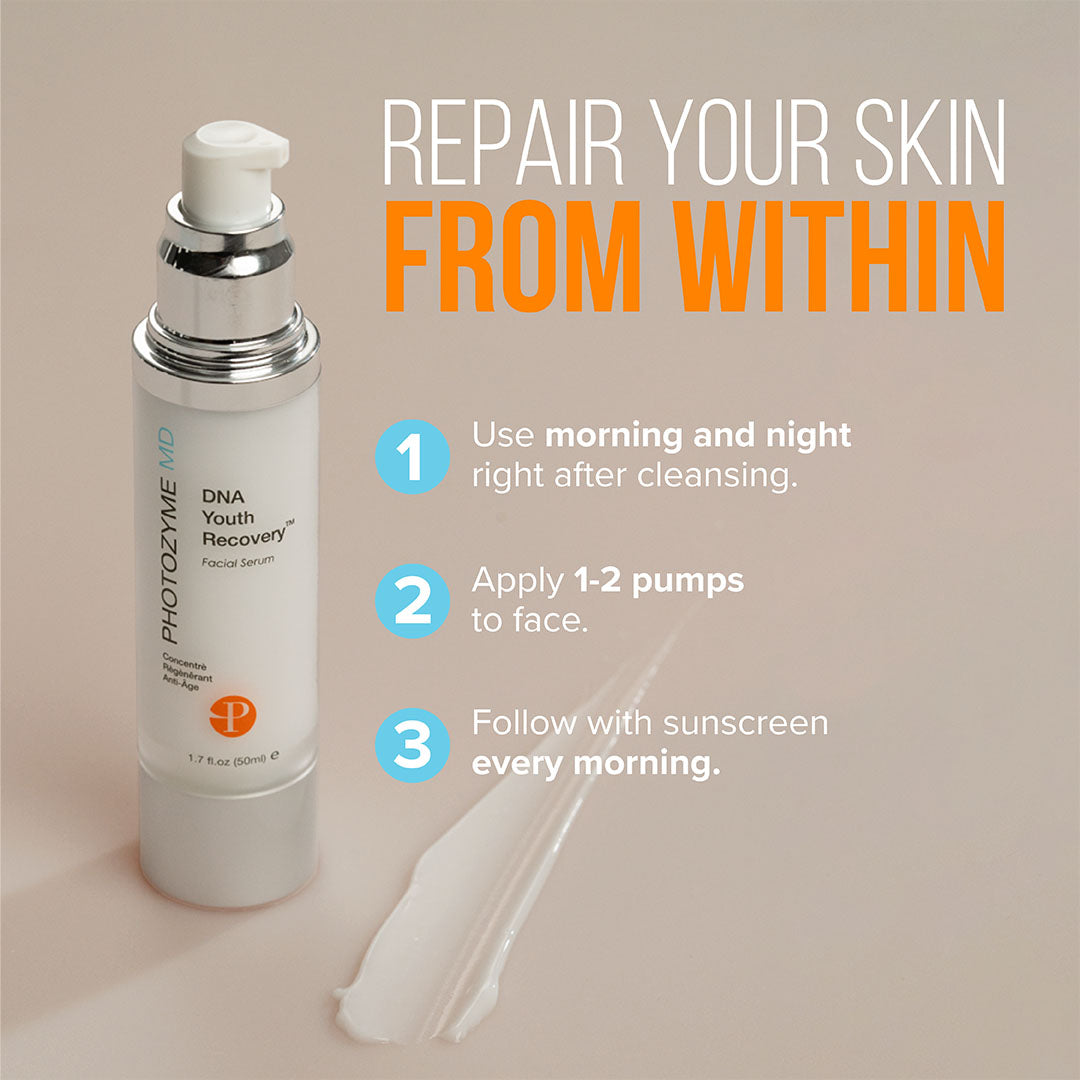
Apply your serum to clean, dry skin and allow complete absorption. As the final step in your morning routine, follow with a broad-spectrum sunscreen to ensure total daily protection.
Benefits You Can Expect Over Time
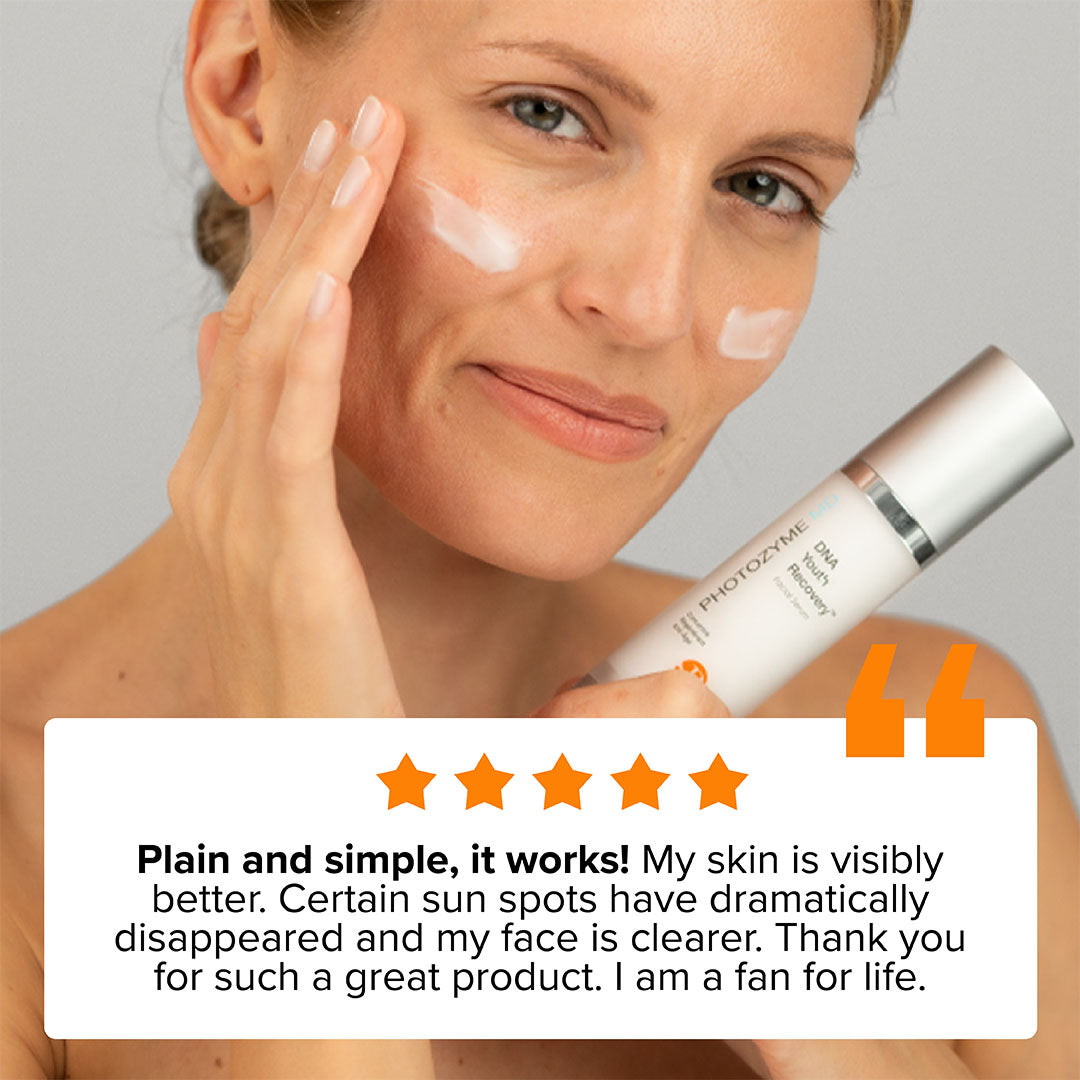
Users who consistently combine a reparative serum with sunscreen report brighter, firmer, and more even skin tone. Long-term adherence minimizes premature aging and reinforces the skin’s natural defense capacity.
By combining serums' reparative action with sunscreen's preventative shield, you give your skin the complete defense it needs against visible aging and environmental damage.
How To Combine Plumping Serums With Retinoids Safely
When approached correctly, combining plumping serums with retinoids can deliver exceptional results. Together, they balance hydration and renewal, helping skin look smoother, firmer, and more resilient without unnecessary irritation. When layered strategically, these two product categories can address both immediate dryness and deeper cellular renewal, creating an advanced nighttime routine that supports elasticity, reinforces barrier strength, and minimizes the visible markers of aging over time.
Assess Skin’s Retinoid Tolerance
Begin by evaluating your skin’s comfort level with retinoids. New users should introduce serums on alternate nights, while experienced users can layer hydration-focused formulas to counter dryness and reinforce barrier health. Paying attention to gradual changes ensures better long-term results without overwhelming the skin.
Apply In The Correct Sequence
Plumping serums should be applied to freshly cleansed, slightly damp skin. Allow two to three minutes for complete absorption before introducing your retinoid, ensuring optimal hydration and minimized irritation. This sequence maximizes serum performance and prepares the skin for vitamin A derivatives, supporting improved absorption and smoother results.
Avoid Conflicting Ingredients
Retinoids increase sensitivity, so avoid pairing them with exfoliating acids or high-strength vitamin C at night. Instead, reserve vitamin C for morning routines and keep evenings focused on renewal and repair. Alternating products prevents overstimulation while ensuring each active ingredient performs effectively.
Support With Moisturizer And SPF
Always follow with a gentle moisturizer to lock in hydration. During the day, broad-spectrum sunscreen is essential, as retinoid-treated skin becomes more vulnerable to UV-induced damage and photoaging. Moisturizers with ceramides or squalane can provide additional comfort and barrier reinforcement, keeping dryness in check.
Monitor Skin’s Feedback & Adjust
Redness, peeling, or stinging indicate overuse. Scale back frequency until tolerance builds, typically within three to four weeks. With consistent use, skin adapts and reveals measurable improvements in firmness and texture. Maintaining patience is key; results strengthen over months, not days.
Professional Guidance When Needed
If sensitivity persists, consult a dermatologist or esthetician. Professional input ensures your regimen is tailored to your unique skin needs, maximizing benefits while minimizing risks of irritation. Expert guidance can also help refine product pairings, optimizing hydration and renewal.
With the right strategy, plumping serums and retinoids complement each other, hydrating, strengthening, and renewing skin for comprehensive anti-aging results that are both safe and clinically effective.
 Free Shipping on US Orders $50+
 60-Day Money-Back Guarantee
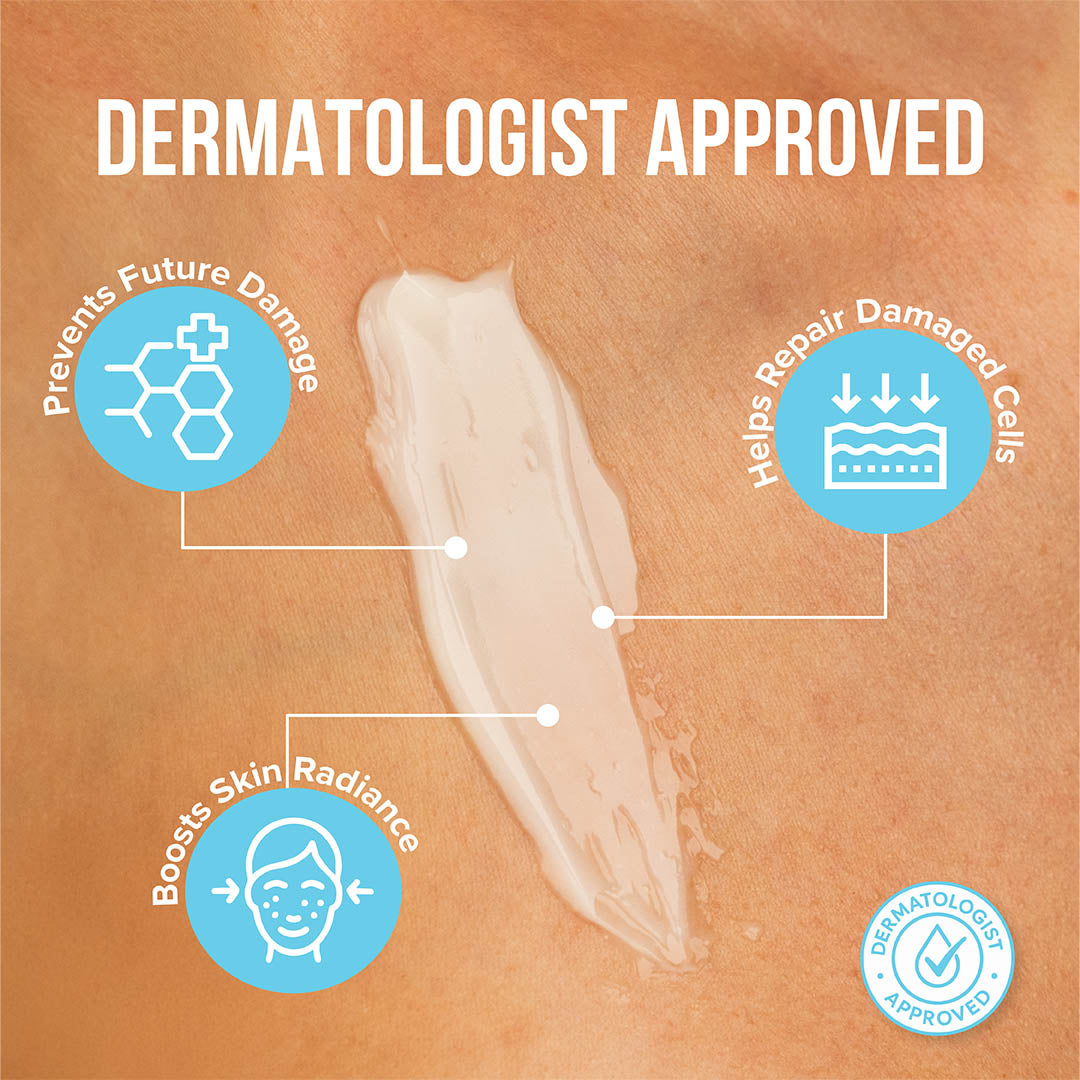
 Dermatologist-Approved