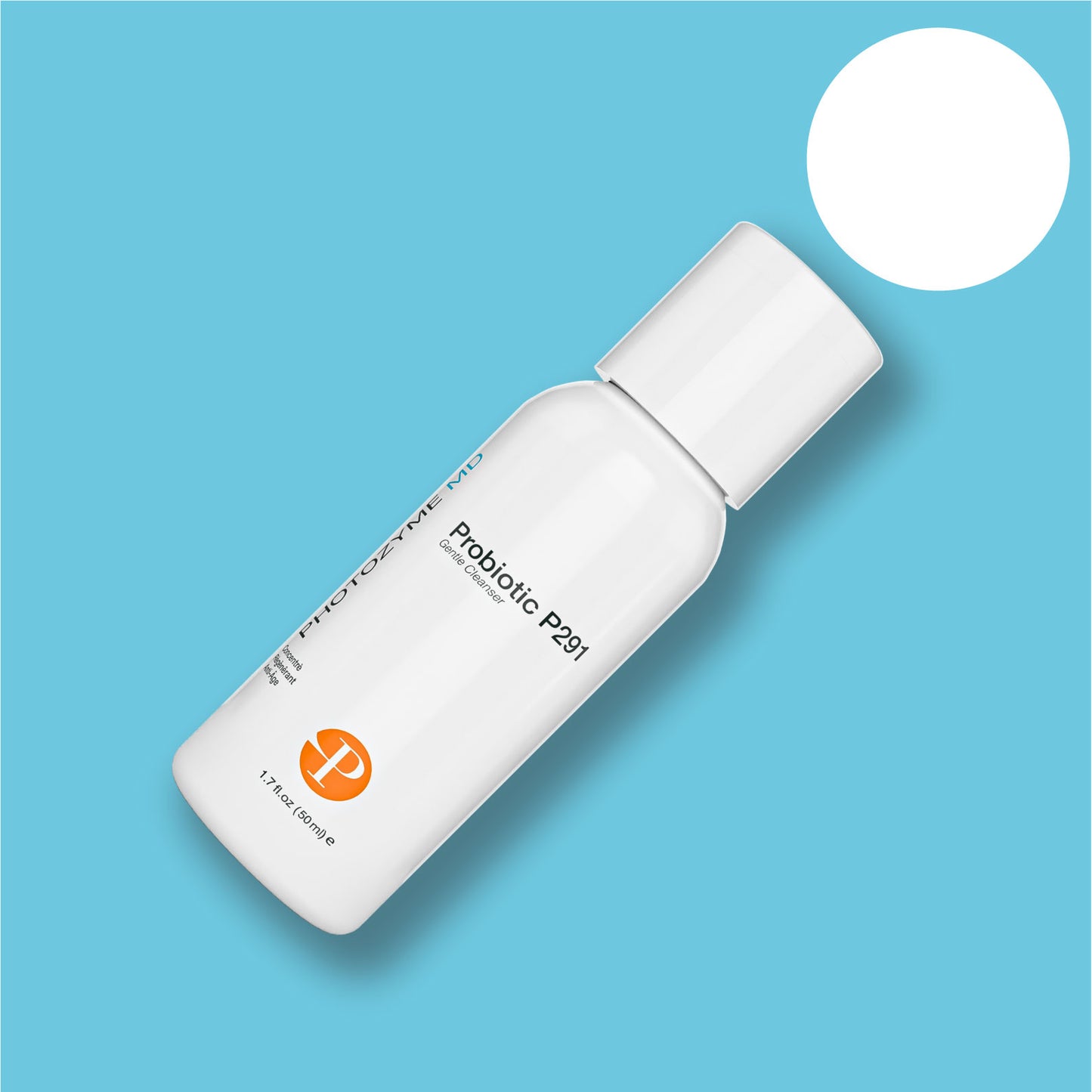
Unlocking the full potential of your active skincare treatments starts with what you do immediately after using a water-based cleanser. Clean skin readily absorbs ingredients, but how you transition between steps can fine-tune results, especially for skin adapting to age-related changes or recovering from environmental stress.
Patting, Not Rubbing
Once you rinse away your water-based cleanser, gently pat with a clean microfiber towel rather than vigorously rubbing. This helps prevent micro-irritation that can compromise the skin’s barrier, maintaining the optimal conditions for ingredient penetration.
Apply Actives To Damp Skin
Many water-soluble actives, including vitamin C serums, peptides, and hyaluronic acid, are absorbed more efficiently when applied to slightly damp skin. Immediately after cleansing, before your skin fully dries, introduce your next layer. The residual moisture acts as a conduit, carrying actives deeper and supporting even distribution.
Use Gentle Exfoliation (Strategically)
Incorporating mild exfoliation two to three times a week can remove superficial buildup, allowing actives such as retinoids or DNA repair enzymes better access to their target zones. Look for enzyme-based or low-strength chemical exfoliants that respect the skin's barrier, especially important for those managing cumulative sun exposure or sensitivity.
Layer With Intention
The sequence and type of products layered after cleansing matter. Start with water-based serums; they have smaller molecular structures and shorter ingredient lists, both of which facilitate optimal absorption. Follow with richer creams or occlusives to seal in actives and reinforce barrier repair.
Protect The pH Window
Water-based cleansers with a pH close to the skin’s natural level (around 5.5) help maintain the slightly acidic environment optimal for ingredient absorption, particularly for actives like vitamin C and peptides. Avoid high-alkaline cleansers, as they can disturb this balance and inadvertently hamper the effectiveness of subsequent steps.
Through these evidence-based application practices, you encourage deeper delivery of functional ingredients, setting the stage for visible and lasting improvements in skin clarity, resilience, and texture.
Common Cleansing Mistakes That Undermine Skin Resilience
A water-based cleanser is often seen as a gentle cornerstone of effective skin routines, but how we use it, and what we pair it with, can greatly influence long-term skin resilience. Consistency and attention to detail matter.
Several frequent missteps can impede your skin’s ability to recover from daily stressors and uphold its natural balance.
- Over-Cleansing: Washing too often or using excessive products can strip away protective lipids and disrupt the microbiome. This weakens barrier integrity, leaving skin prone to dehydration, inflammation, and slower cellular recovery.
- Using Water That’s Too Hot Or Too Cold: Temperature extremes can stress the skin and interfere with protective enzymatic processes. Lukewarm water preserves natural moisture factors, supporting repair and comfort.
- Pairing With Harsh Exfoliators: Combining a water-based cleanser with abrasive scrubs or strong chemical exfoliants increases the risk of microtears and cumulative irritation. Regular, aggressive exfoliation may degrade collagen and delay healing, especially in sun-damaged or aging skin.
- Neglecting Gentle Removal: Rushed rinsing or using rough cloths can compromise the outermost layers. Opt for soft materials and a thorough, gentle technique to prevent friction-related damage.
- Skipping The Immediate Replenishment: Leaving skin bare and damp after cleansing can accelerate transepidermal water loss. Applying a hydrating product quickly, while the skin is still slightly moist, locks in essential moisture and primes the barrier for subsequent care steps.
Addressing these common cleansing errors can make the difference between cumulative harm and sustained resilience, setting the stage for visible, lasting improvement with every clean slate.
Integrating Photozyme Serums After A Water-Based Cleanse
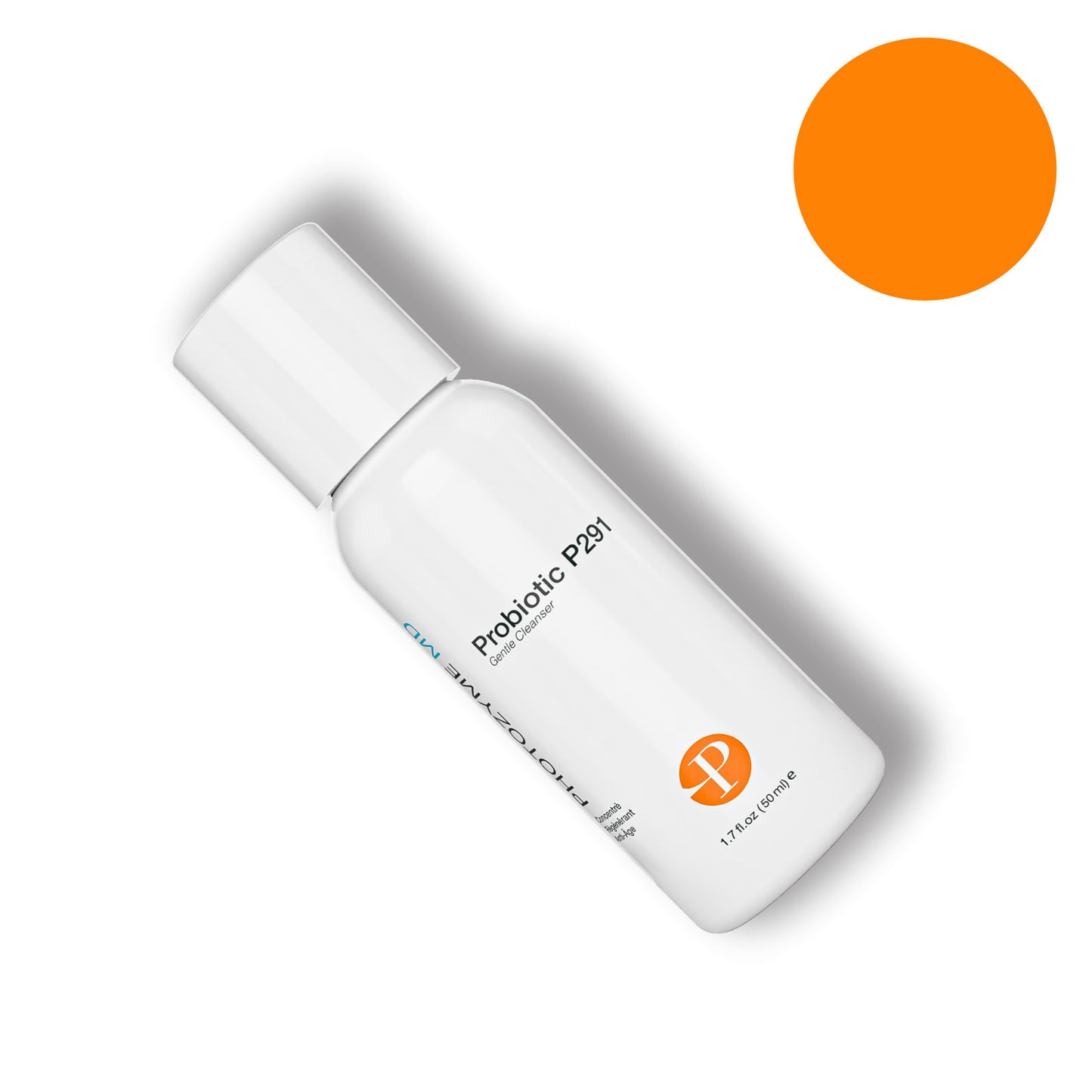
Applying advanced serums immediately after using a water-based cleanser leverages the skin’s receptive state, enhancing absorption and efficacy. This approach is especially beneficial for those managing persistent buildup and seeking a reliable cleanser for congested skin that supports both clarity and barrier care.
Applying DNA Repair Serums For Maximum Impact
When layering a serum like a DNA repair enzyme treatment, start while the skin is still slightly damp. This facilitates deeper penetration and supports more efficient delivery to areas experiencing cellular stress. For those concerned with visible aging or sun-induced changes, applying treatment at this stage reinforces ongoing renewal and strengthens daily recovery processes, making the DNA Youth Recovery Facial Serum a natural fit immediately after cleansing.
Layering Antioxidants For Daytime Protection
Follow with a targeted antioxidant complex if your routine includes protection against environmental damage. Antioxidants applied after a water-based cleanse can help neutralize surface free radicals and provide a defensive layer throughout the day. Combinations such as DNA repair enzymes with Vitamin C, Vitamin E, and Ferulic Acid, as found in the Vitamin CE + Ferulic Acid Lotion, support calmer, more refined-looking skin while reinforcing resilience against environmental exposure.
Incorporating Retinol Into Nighttime Routines
If retinol enters your regimen at night, apply it after cleansing and before heavier creams. Water-based cleansers create an environment where renewal-focused actives can work without interference from residual oils or occlusive layers. This intentional order supports clearer pores, encourages consistent cell turnover, and promotes resilient results over time, all of which are central to what the GFS Plus Night Serum is formulated to deliver.




 Free Shipping on US Orders $50+
 60-Day Money-Back Guarantee
 Dermatologist-Approved