This store requires javascript to be enabled for some features to work correctly.
 Free Shipping on US Orders $100+
 60-Day Money-Back Guarantee
 Dermatologist-Approved
Free Shipping on US Orders $100+
60-Day Money-Back Guarantee
Dermatologist-Approved




Dark Spots
How To Lighten Dark Spots And Even Out Skin Tone Safely
How to safely fade dark spots, melasma and post-acne marks for a more even complexion, plus the risky lightening products dermatologists say to avoid.
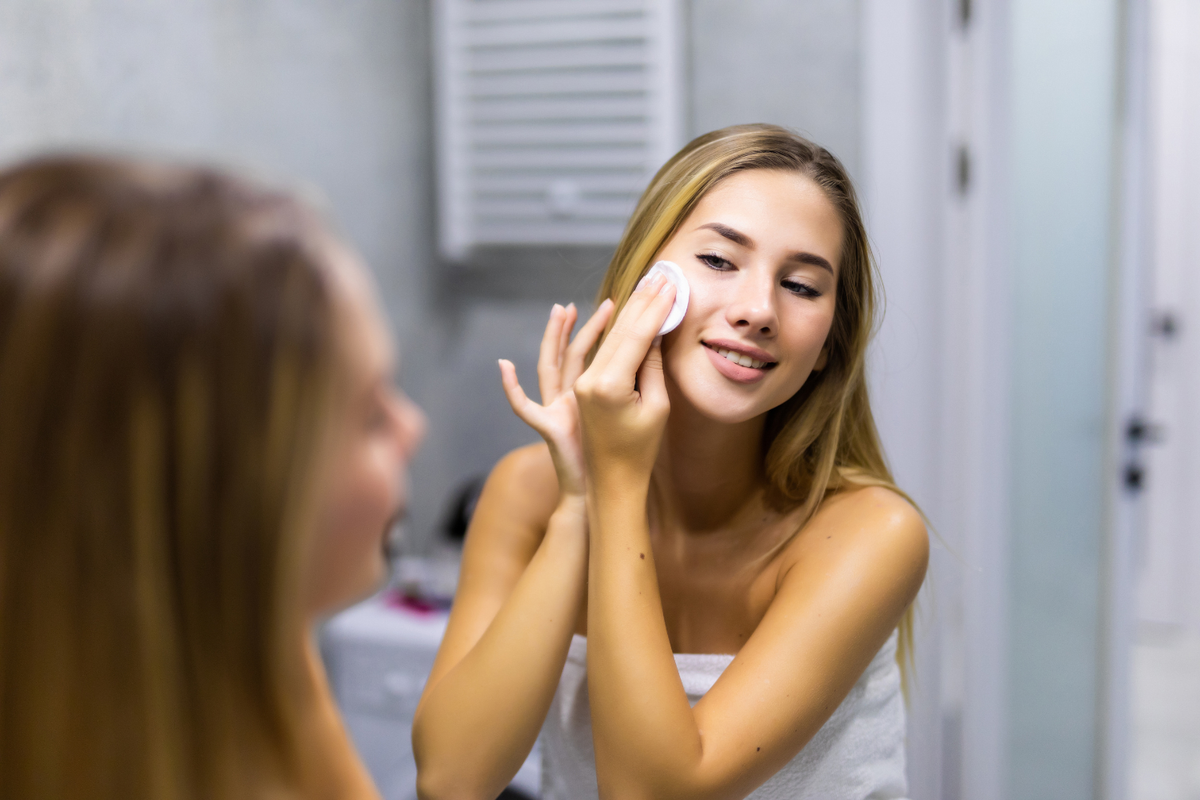
Dark spots, melasma and leftover marks from breakouts are some of the most common skin concerns, and they’re usually what people mean when they search for how to lighten skin. The goal isn’t to change your natural skin tone, which is healthy at every shade. It’s to fade areas of excess pigment so your complexion looks even and clear.
This guide covers what causes dark spots and uneven tone, the ingredients dermatologists recommend, what to avoid, and a routine that fades pigment without harming your skin.
Key Takeaways
- Fade excess pigment, not your natural tone. Safe treatment targets sun spots, melasma and post-inflammatory marks, not your baseline skin color.
- Proven ingredients beat quick fixes. Retinoids, vitamin C, niacinamide, azelaic acid and DNA repair enzymes fade pigment gradually and safely.
- Sun protection is non-negotiable. UV is the biggest driver of dark spots, so daily SPF protects your progress and prevents new spots.
What Causes Dark Spots And Uneven Tone?
Dark spots form when pigment cells make extra melanin in one area. Knowing the trigger behind yours helps you choose the right treatment.
Sun exposure
UV is the leading cause. Skin makes extra melanin to protect itself, and years of exposure leave lasting sun spots. Learn the difference between sun spots and freckles.
Hormonal changes
Pregnancy, birth control and hormone therapy can trigger melasma, symmetrical brown patches that are especially persistent.
Inflammation
Acne, eczema and injuries can leave post-inflammatory hyperpigmentation, dark marks that outlast the original irritation.
Certain medications
Some antibiotics, antimalarials and other drugs can affect pigment or make skin more sun-sensitive.
Age and environment
Skin’s ability to repair UV damage declines with age, and pollution and smoke add oxidative stress that deepens discoloration.
Fading Dark Spots vs. Changing Your Skin Tone
“Skin lightening” gets used for two very different things. Treating hyperpigmentation fades specific areas of excess melanin, such as sun spots, melasma and post-acne marks, to bring them closer to your natural tone. Brightening improves overall radiance by boosting cell turnover and hydration.
What no safe product should do is change your natural skin color. Products that promise to do so often rely on dangerous ingredients, covered below. A good routine works with your skin tone, not against it.
Ingredients Dermatologists Recommend
Evidence-based ingredients fade pigment gradually while keeping the skin barrier healthy.
| Ingredient | How it helps |
|---|---|
| Retinoids | Speed cell turnover to fade spots and support collagen. See how to choose a retinol. |
| Vitamin C | An antioxidant that interrupts the enzyme behind excess pigment and protects against UV-driven oxidative stress. |
| Niacinamide | Reduces the transfer of pigment to the skin’s surface and strengthens the barrier; gentle for sensitive skin. |
| Azelaic acid | Calms overactive pigment cells; well tolerated and often used for melasma and post-acne marks. |
| Alpha arbutin | A gentle tyrosinase inhibitor that fades dark patches gradually. |
| Licorice root extract | Glabridin reduces pigment production and calms inflammation. |
| DNA repair enzymes | Help repair the UV-induced DNA damage behind sun spots. Learn how photolyase works. |
Ingredients And Products To Avoid
Some products marketed for lightening carry real health risks.
- Mercury. Still found in some unregulated lightening creams sold online or imported. It can damage the kidneys and nervous system. Avoid any product without a full ingredient list.
- Unsupervised hydroquinone. Effective under a doctor’s care, but long-term unsupervised use is linked to ochronosis, a blue-gray discoloration. In the US it is available only by prescription.
- Hidden steroids. Some imported creams contain undeclared corticosteroids that can thin skin and cause acne and other side effects.
- Harsh, high-strength acids. Strong peels used without professional oversight can burn skin and cause the very dark marks you’re trying to fade.
- Unverified “natural” lighteners. Herbal products with unclear ingredients can cause allergic reactions or contain adulterants.
A Routine To Fade Dark Spots
Consistency matters more than strength. Most people see visible fading after 8 to 12 weeks.
- Morning: antioxidant serum. Apply vitamin C and DNA repair enzymes to clean skin to brighten and help repair UV damage.
- Morning: broad-spectrum SPF 30+. Apply generously and reapply every two hours outdoors. Without this step, spots return.
- Evening: renew. Use a retinol, niacinamide or azelaic acid product, introduced one at a time.
- Evening: moisturize. Barrier support with ceramides and hyaluronic acid keeps actives from causing irritation, which can itself darken skin.
- Be patient. Pigment fades gradually; track progress with photos every few weeks.
When To See A Dermatologist
Some pigment needs professional care or a closer look.
- Melasma or deep pigment that doesn’t improve after three months of consistent care. Prescription treatments, peels or lasers may help, performed by a qualified professional.
- A spot that is new, changing, raised, itchy or bleeding. Read how to tell sun spots from melanoma and have it checked.
- Sudden or widespread darkening without a clear cause, which can signal a medical condition or a medication side effect.
Final Thoughts
Safely evening out your skin means fading excess pigment with proven ingredients, protecting your skin from the sun every day and giving it time, not chasing a different skin tone.
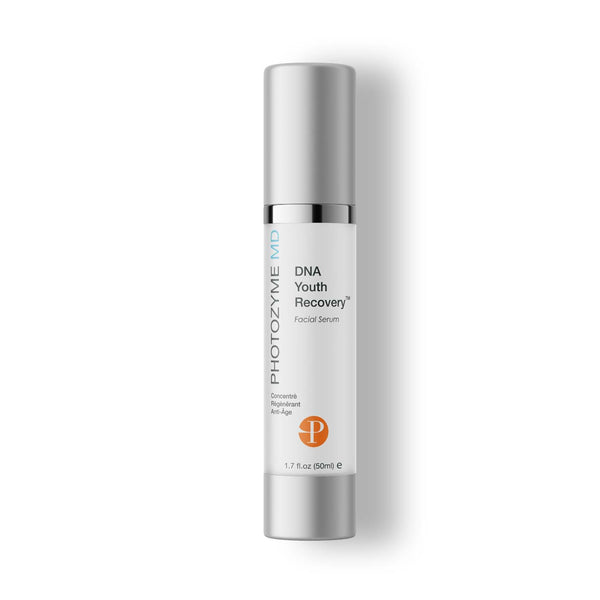
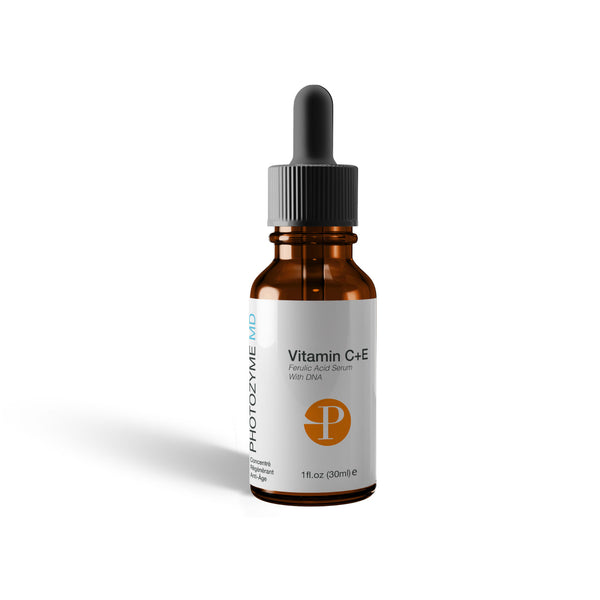
Because UV damage is the biggest driver of sun spots, Photozyme formulas pair brightening antioxidants with DNA repair enzymes. Our DNA Youth Recovery Facial Serum, named best anti-aging serum for sunspots by ELLE, combines DNA repair enzymes with vitamin C, vitamin E and ferulic acid.
Sources: Brenner M, Hearing VJ. The protective role of melanin against UV damage in human skin. Photochem Photobiol. 2008;84(3):539–549. Ortonne JP. The effects of ultraviolet exposure on skin melanin pigmentation. J Int Med Res. 1990;18 Suppl 3:8C–17C. Thawabteh AM, et al. Skin pigmentation types, causes and treatment: a review. Molecules. 2023;28(12):4839. Moolla S, Miller-Monthrope Y. Dermatology: how to manage facial hyperpigmentation in skin of colour. Drugs Context. 2022;11:2021-11-2. Feng X, et al. Azelaic acid: mechanisms of action and clinical applications. Clin Cosmet Investig Dermatol. 2024;17:2359–2371.
Frequently Asked Questions
How can I safely fade dark spots?
Use proven ingredients such as vitamin C, niacinamide, azelaic acid, retinoids and DNA repair enzymes, wear broad-spectrum SPF every day, and give your routine 8 to 12 weeks.
Can I change my natural skin tone?
Safe skincare doesn’t change your natural skin color, and products that claim to often contain harmful ingredients. Treatment should target excess pigment like sun spots and melasma.
What’s the fastest way to fade dark spots?
There’s no safe overnight fix. Combining a brightening serum, a retinoid at night and daily sunscreen gives the most reliable results; a dermatologist can add professional treatments for stubborn pigment.
Why do my dark spots keep coming back?
UV exposure restarts excess pigment production. Daily broad-spectrum sunscreen, reapplied outdoors, is the key to keeping spots from returning.
Are natural lightening remedies safe?
Some botanicals like licorice root are well studied, but DIY remedies such as lemon juice can irritate skin and worsen pigment. Stick to tested formulas with full ingredient lists.
Is hydroquinone safe?
It can be effective under a doctor’s supervision, but long-term unsupervised use carries risks. In the US it is available only by prescription.
Shop the article
Products mentioned in this article