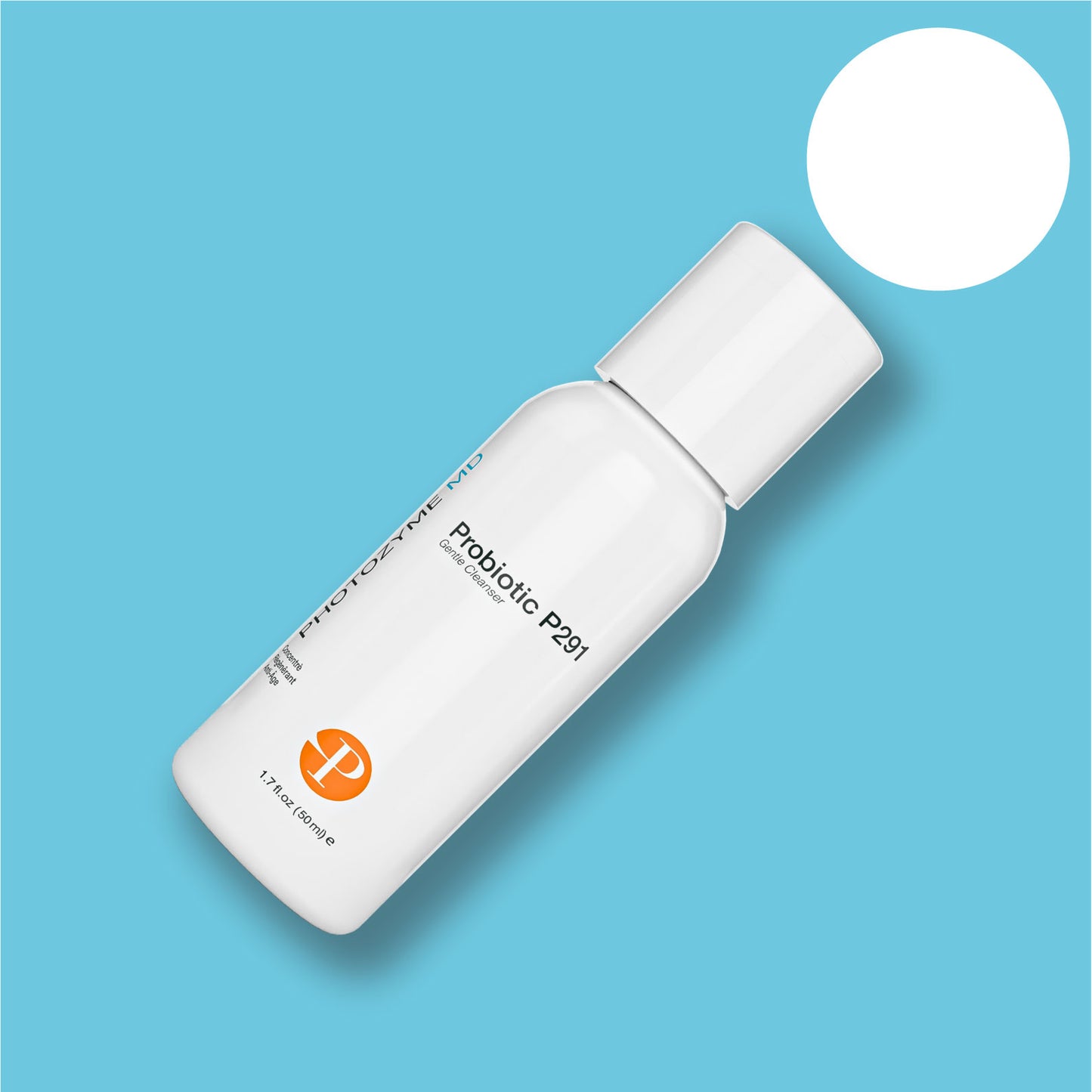
Switching cleansers can feel unnecessary until your skin starts sending clear signals. It’s easy to overlook subtleties, but the wrong formula, no matter how popular, may gradually undermine progress you’re hoping to see.
Here’s what to watch for if you’re questioning whether your current facial cleanser is a good fit:
Persistent Dryness Or Tightness
Skin that feels pulled, uncomfortable, or flaky after cleansing is telling you something isn’t right. Overly harsh surfactants or insufficient hydration can strip the protective barrier proteins and lipids, leaving the skin vulnerable to minor irritation or roughness. A properly balanced cleanser should leave skin feeling clean without discomfort.
Breakouts And Imbalanced Oil Production
If new congestion or breakouts appear after switching formulas, the cleanser might not be removing impurities thoroughly. On the flip side, stripping away too much oil can trigger a rebound effect, leading to excess shine and clogged pores. Both outcomes suggest that your skin’s natural oil balance needs more thoughtful support.
Lingering Makeup Or Sunscreen
At the end of your routine, traces of makeup, sunscreen, or environmental debris should lift away easily. If there’s residue left even after a full cleanse, it could mean the surfactant system is either too gentle or not targeted enough for your needs. Over time, this can dull the complexion and hinder the effectiveness of actives applied afterward.
Irritation And Redness
Sudden or ongoing increases in redness, stinging, or sensitivities might be linked to fragrance, harsh preservatives, or unsuitable pH. Sensitized skin often becomes less tolerant of other products in your regimen, and persistent irritation can slow recovery from sun exposure or environmental insult.
Lack Of Improvement In Skin Tone Or Texture
If skin appears dull despite targeted serums, residue or dehydration may be working against you. You may even begin wondering whether toner is necessary after cleansing, when the issue may stem from the cleanser itself rather than a missing step.
Paying attention to these cues helps refine your routine and ensures you’re creating the best possible foundation for the rest of your skincare.




 Free Shipping on US Orders $50+
 60-Day Money-Back Guarantee
 Dermatologist-Approved