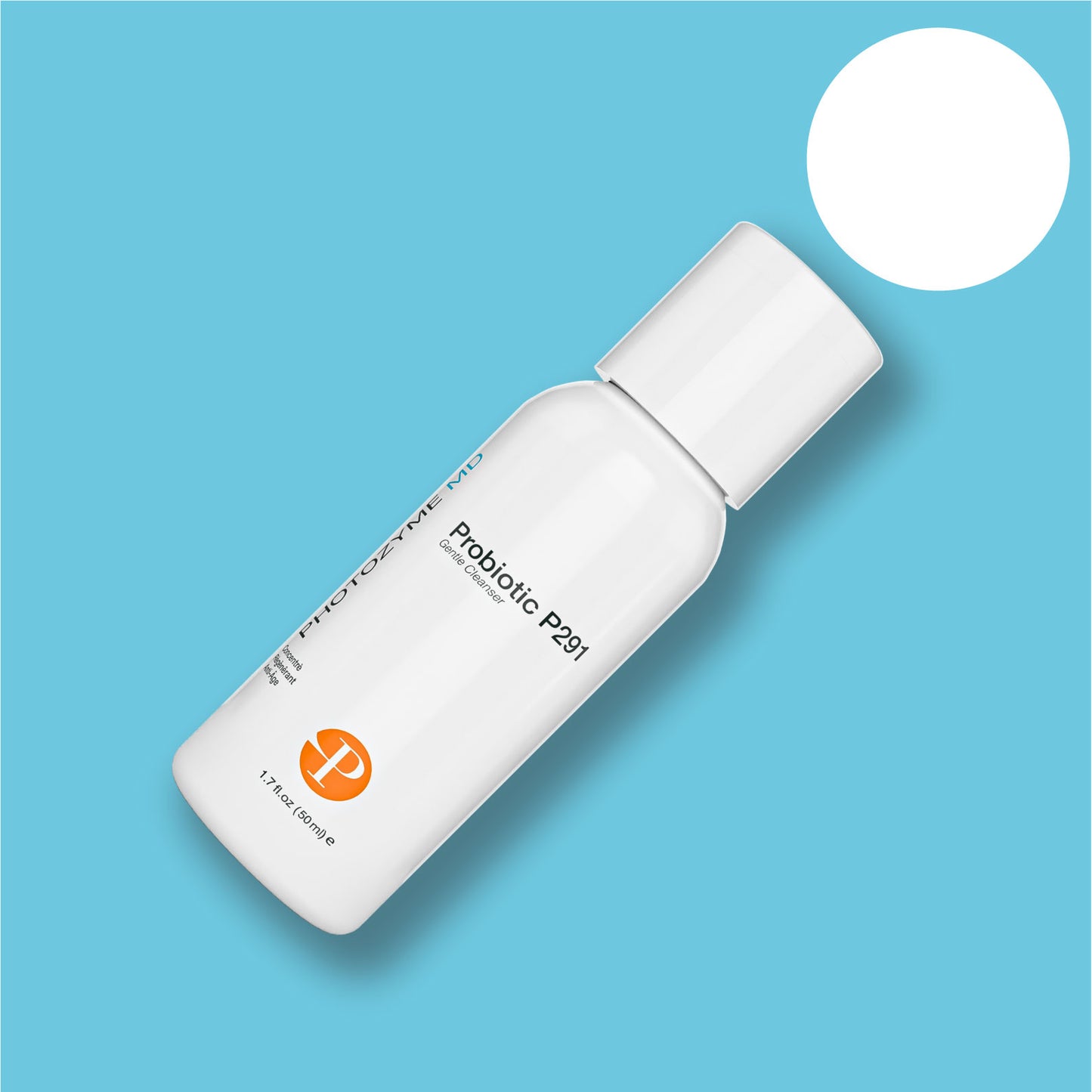
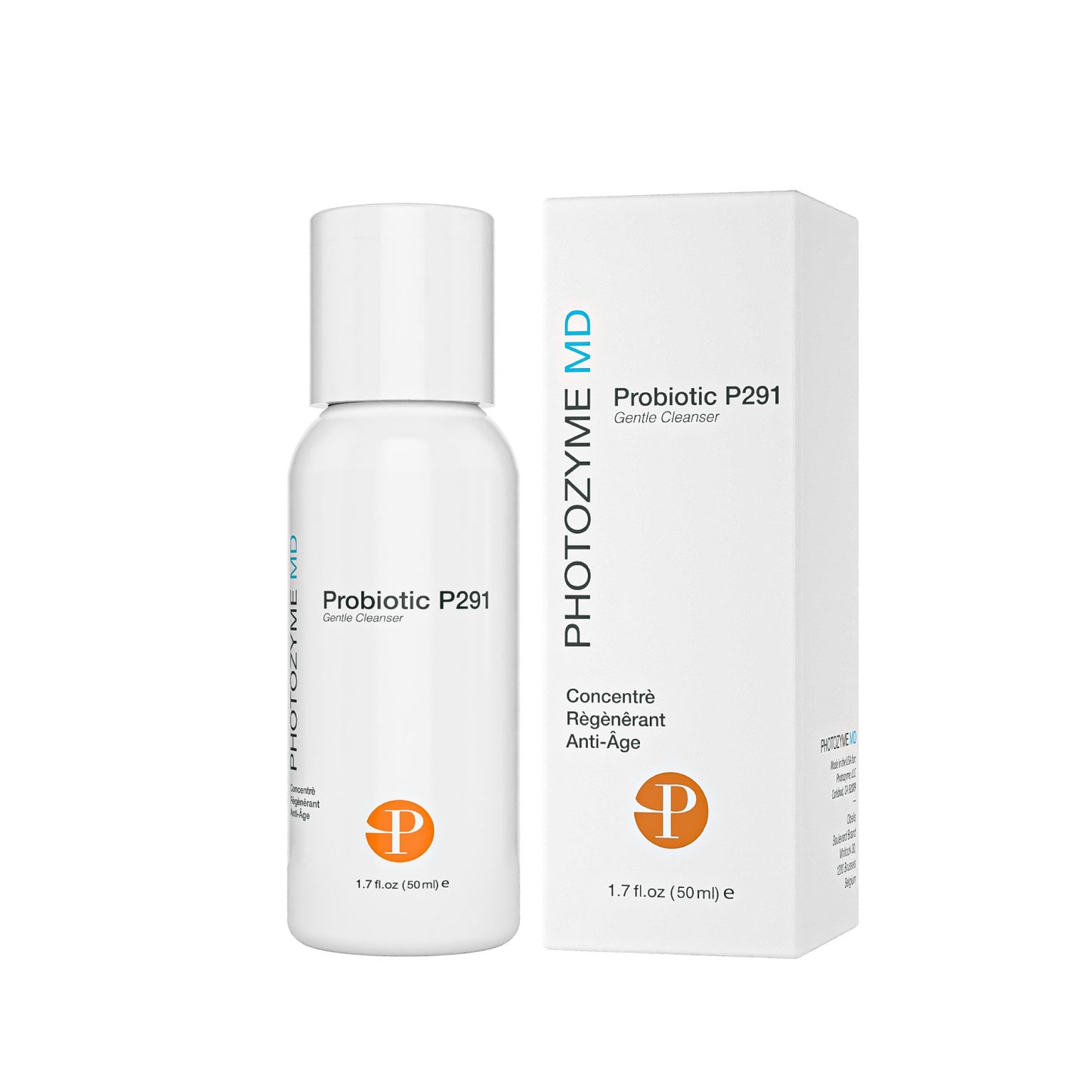
Selecting a gentle cleanser for face care hinges not just on ingredients, but on texture. The three most common options, gel, cream, and balm, each deliver unique skincare experiences suited for different needs. Texture influences how a formula spreads, rinses, and supports the skin barrier, making it a practical consideration beyond preference alone.
When A Gel Cleanser Is The Right Choice
Gel cleansers are usually water-based and are often included among thoughtful oily skin cleanser options because they rinse cleanly and remove excess sebum without leaving residue. They are often preferred by those with combination, oily, or acne-prone skin. The lightness of gels makes them effective at lifting away excess oil and impurities without overwhelming the skin’s natural barrier. However, some gel formulas can over-strip if not carefully formulated, so look for options that include buffers, such as glycerin or botanical extracts, to help maintain hydration.
Why Cream Cleansers Support Dry And Sensitive Skin
Cream cleansers balance hydration and cleansing, typically featuring a smooth, lotion-like consistency. These are especially suitable for those with dry, mature, or sensitive skin. Cream textures cushion the skin during cleansing, delivering both emollient and humectant benefits. They remove makeup, SPF, and dirt while infusing the skin with moisture, which is helpful when the skin barrier is vulnerable or compromised by age or environmental stress. Well-chosen cream cleansers avoid the film or heaviness that can linger with less refined formulas.
How Balm Cleansers Deliver Deep Yet Gentle Removal
Balm cleansers offer the richest, most occlusive texture, starting as a solid or semi-solid that melts into an oil on contact. Balms are adept at dissolving stubborn sunscreen, long-wear makeup, and particulate pollution. Their dense composition appeals to those with very dry or reactive skin, or anyone managing visible barrier disruption. Unlike lightweight gels or creamy lotions, balms rely on gentle physical massage and warm water to emulsify, ensuring thorough removal while requiring a slightly longer rinsing process. This hands-on step can also support mild circulation and relaxation.
Choosing The Best Texture For Your Routine
Specific skin concerns and daily routines often determine which texture works best. The optimal cleanser integrates smoothly into your regimen, supporting the skin’s natural function while addressing unique hydration levels, oil production, and sensitivity needs.
Morning Versus Evening Cleansing: Do You Need Both?
Determining the optimal cleansing schedule is rooted in understanding the skin’s natural rhythms and its day-to-night challenges. In the morning, overnight cell turnover sheds debris and surface oils. Gentle cleansing at this stage helps remove these byproducts without stripping the skin, allowing subsequent products, like antioxidant serums or sun protection, to layer effectively and absorb well.
The Importance Of Morning Cleansing
Morning cleansing refreshes the skin after hours of nighttime repair and renewal. Removing excess sebum and residual skincare ensures a balanced surface before applying targeted treatments and sunscreen. A mild, pH-balanced formula supports clarity while maintaining hydration and barrier stability.
Why Evening Cleansing Is Essential
Evening presents a distinctly different scenario. The skin faces a daily barrage of environmental stressors, including airborne particulates, sweat, sunscreen, and makeup. These factors create buildup that, if left unaddressed, may contribute to congestion, dullness, or impaired barrier function.
Evening cleansing clears residue and prepares the skin for restorative nighttime actives like peptides or retinol, which perform best on a clean surface, making a formula like the GFS Plus Night Serum a natural follow-up step once skin is thoroughly cleared.
Finding The Right Frequency For Your Skin
Research and dermatological guidance consistently support twice-daily cleansing, but gentleness remains essential. Over-cleansing can disrupt microbiome balance and weaken barrier integrity, particularly for skin sensitive to UV exposure or age-related changes. The ideal routine adapts to skin type and lifestyle. Very dry or minimally exposed skin may respond well to a single cleanse, while most individuals benefit from both a morning and an evening routine with non-stripping, carefully formulated cleansers.
What To Avoid When Your Skin Feels Tight Or Reactive
When your skin feels tight, prickly, or visibly flushed, it signals disrupted barrier function or heightened sensitivity. During these periods, certain cleansing choices can unintentionally worsen discomfort. Paying attention to these warning signs helps prevent further irritation and supports recovery.
Avoid Harsh Surfactants That Strip Natural Lipids
Avoid cleansers with harsh surfactants. Ingredients such as sodium lauryl sulfate or ammonium lauryl sulfate can strip the skin's natural lipids, leading to increased tightness and a higher risk of micro irritation over time. The National Eczema Society notes that SLS can increase skin permeability and exacerbate barrier disruption, making its avoidance a key consideration for anyone managing reactive or compromised skin. Gentle, low-foaming alternatives help maintain moisture balance and preserve barrier integrity.
Skip Physical Scrubs And Aggressive Deep Cleansers
Physical exfoliants, such as scrubs with large or uneven particles, can abrade delicate skin and exacerbate reactivity. Cleansers promoted as deep cleaning may rely heavily on alcohols, strong astringents, or essential oils with allergenic potential. While these ingredients may create an immediate sense of cleanliness, they often contribute to prolonged dryness and visible inflammation.
Watch For Hidden Fragrance And Irritants
Fragrance, whether synthetic or naturally derived, can be problematic for reactive skin. Even products labeled "unscented" may contain masking fragrances. Reviewing the full ingredient list and choosing minimal, straightforward formulas can reduce the likelihood of unexpected sensitivity.
Avoid Strong Actives In The Cleansing Step
Active ingredients such as high-percentage alpha hydroxy acids or potent retinoids may be beneficial in treatment products but are not ideal in cleansers when skin feels compromised. During reactive phases, prioritize mild surfactants, pH-balanced systems, and replenishing humectants that support barrier repair and restore comfort without adding stress.




 Free Shipping on US Orders $50+
 60-Day Money-Back Guarantee
 Dermatologist-Approved