Hyaluronic acid is a cornerstone ingredient for hydration, but its effectiveness depends on how it’s layered into your routine. Applied correctly, it supports skin’s moisture retention and optimizes the performance of other actives and moisturizers.
Morning Routine
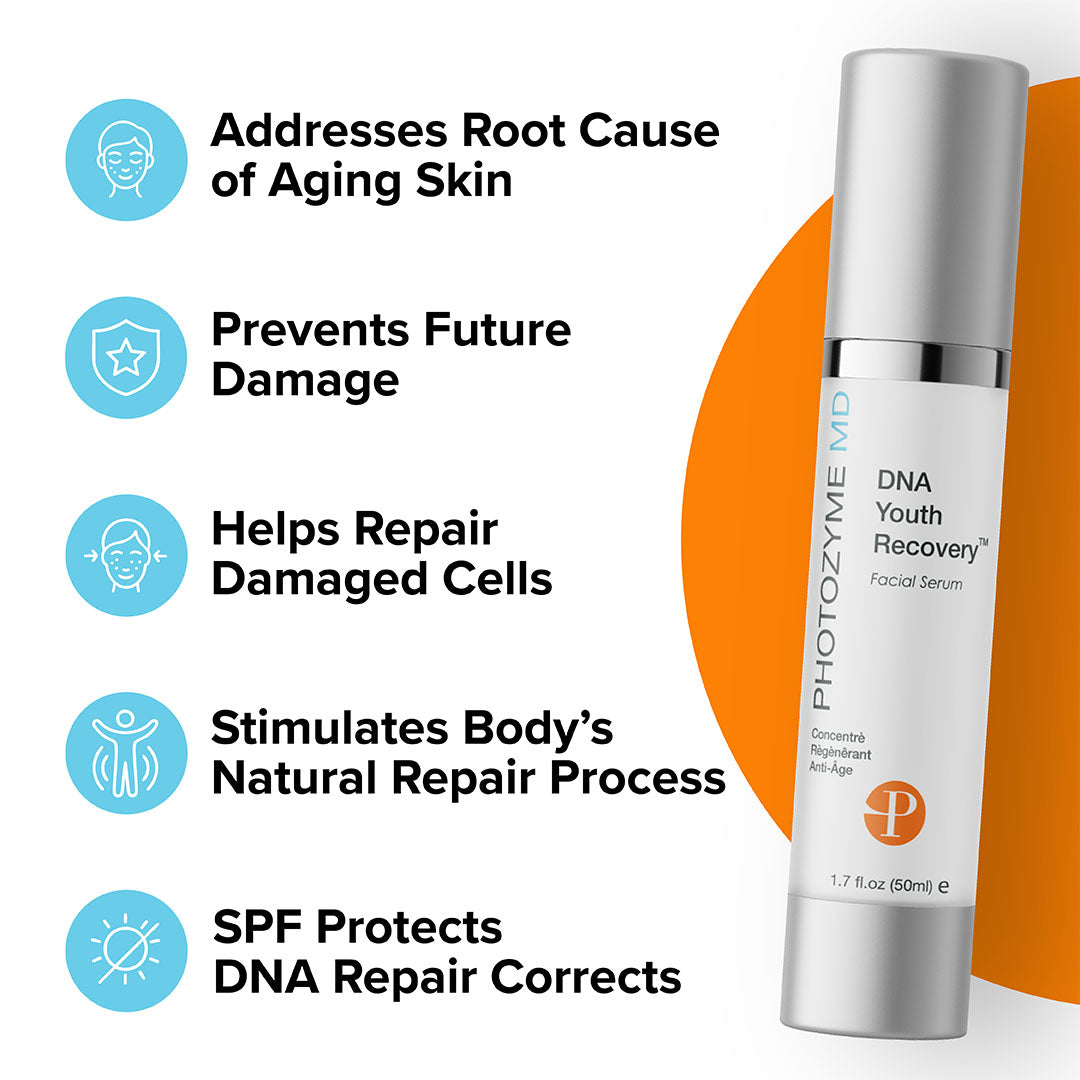
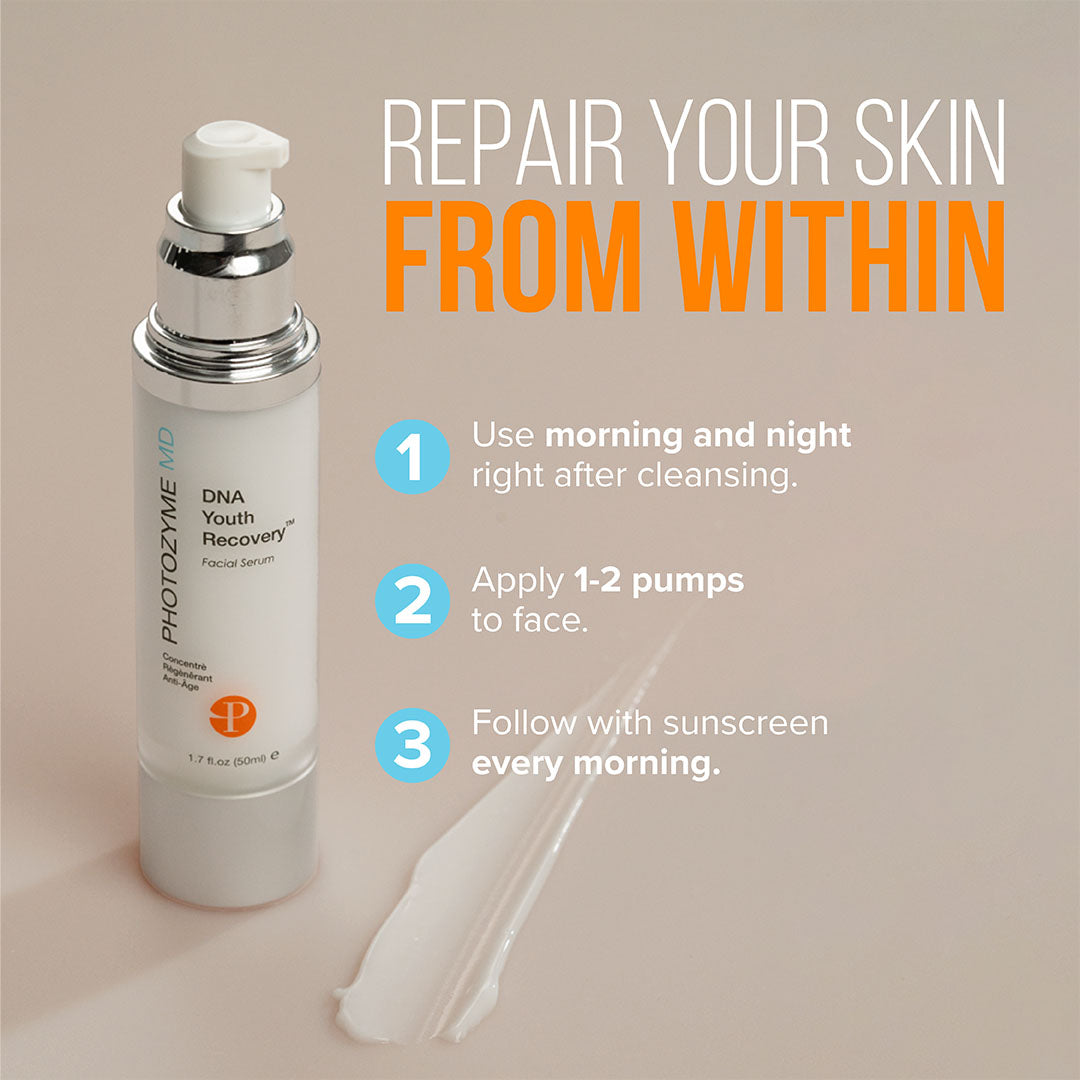
After cleansing, when skin is free of impurities and excess oil, apply hyaluronic acid to slightly damp skin. This allows it to draw in and bind available water, enhancing surface plumpness and comfort. Follow immediately with a targeted serum. Options like our Reset Serum pair low-molecular-weight hyaluronic acid with DNA repair enzymes to restore hydration and support recovery from UV exposure throughout the day. Lock in the hydration with a moisturizer that includes ceramides or rich emollients. Always finish with a broad-spectrum sunscreen to shield against UV-induced moisture loss and dehydration.
Morning steps recap:
- Cleanser (gentle, pH-balanced)
- Hyaluronic acid serum (on damp skin)
- Targeted treatment serums (antioxidants, if used)
- Moisturizer
- Sunscreen
Night Routine
Evening routines allow for more intentional layering, as there is no risk of sun exposure and skin shifts into repair mode. After cleansing, hyaluronic acid works best as an early step, right before or after lightweight essences, but before retinoids or peptides. This placement often raises the question of retinol or hyaluronic acid first, especially for those balancing hydration with renewal. In practice, hyaluronic acid helps cushion the skin, so actives perform more comfortably, supporting routines built around it. You can use hyaluronic acid with retinol without increasing irritation.
Night steps recap:
- Cleanser
- (Optional) hydrating toner or essence
- Hyaluronic acid serum
- Treatment serums (retinol, peptides, or DNA-repair actives)
- Moisturizer or overnight cream
Used consistently, hyaluronic acid and retinol complement one another by pairing hydration with cellular renewal, reinforcing barrier resilience across both routines.
Hyaluronic Acid For Acne-Prone And Oil-Rich Skin
Acne-prone and oil-rich skin types often benefit from lightweight hydration strategies that reinforce skin without clogging pores or intensifying oiliness. Hyaluronic acid offers a distinct advantage in this context due to its ability to draw water into the skin’s surface layers without adding oil or heaviness. This hydration is different from occlusive moisturizers or rich oils, which can sometimes exacerbate congestion.
Supporting Oil Balance Through Proper Hydration
Properly formulated hyaluronic acid serums deliver replenishment that supports skin balance. When moisture levels are stabilized, skin can become less reactive, and compensatory oil production may decrease over time. This relationship is central to discussions around whether hyaluronic acid is good for acne, particularly for individuals managing breakouts alongside dehydration.
Calming Inflammation And Preserving Barrier Function
Research supports that hyaluronic acid, even at low molecular weights, helps soothe the appearance of redness and calms discomfort often seen with inflamed acne. It maintains hydration and barrier function, both of which are commonly disrupted by targeted acne treatments or environmental exposure. When layered beneath a gentle moisturizer or applied as a standalone hydrator, hyaluronic acid helps cushion skin, mitigate visible dryness from active ingredients like retinol or salicylic acid, and support barrier integrity.
Daily Compatibility For Sensitive And Acne-Prone Skin
For those managing both oil and sensitivity, the non-comedogenic, non-irritating profile of hyaluronic acid makes it suitable for daily use without exacerbating the concerns that accompany acne or excess shine. Its compatibility with active treatments and lightweight feel allows consistent hydration support while maintaining clarity and overall skin comfort.
Myth Busting: Common Misconceptions About Hyaluronic Acid
Hyaluronic acid for skin often brings certain beliefs and assumptions. To support smart decisions, it's important to separate myth from evidence.
Myth 1: Hyaluronic Acid Can Pull Moisture From Deeper Layers Of Your Skin
Hyaluronic acid's humectant properties mean it attracts and holds water, specifically from the environment or surface layers. It does not draw water from deeper skin tissues. Instead, in low-humidity settings, hyaluronic acid may lose some effectiveness unless topped with an occlusive moisturizer that traps the hydration at the surface.
Myth 2: More Hyaluronic Acid Means Better Results
Concentration matters, but only to a point. The skin’s surface can only absorb so much. Higher percentages, sometimes promoted in marketing, do not always equal added benefit and can even lead to sticky residue or temporary tightness. Well-balanced formulations use amounts that the skin can usefully absorb and retain.
Myth 3: Hyaluronic Acid Is The Ultimate Solution For Dry Skin
While hyaluronic acid boosts surface hydration, very dry or compromised skin often needs more. It works best in combination with emollients and barrier-supportive ingredients to reduce moisture loss. On its own, hyaluronic acid doesn’t address underlying lipid deficiencies or repair impaired barriers.
Myth 4: All Hyaluronic Acid Is The Same
Molecular weight affects how hyaluronic acid functions. High molecular weight sits on the surface to hydrate and smooth, while lower molecular weights may penetrate deeper for temporary plumping. Formulators often combine several types for a layered effect, supporting both immediate comfort and short-term firmness.
Myth 5: Hyaluronic Acid Will Rehydrate Skin Instantly And Dramatically
Hyaluronic acid provides visible hydration, but true improvements in skin resilience, plumpness, and texture come from steady use within a well-rounded routine. Expect a gradual change, not a transformation after one application. Consistency, layering, and realistic expectations lead to durable, measurable improvement.




 Free Shipping on US Orders $50+
 60-Day Money-Back Guarantee
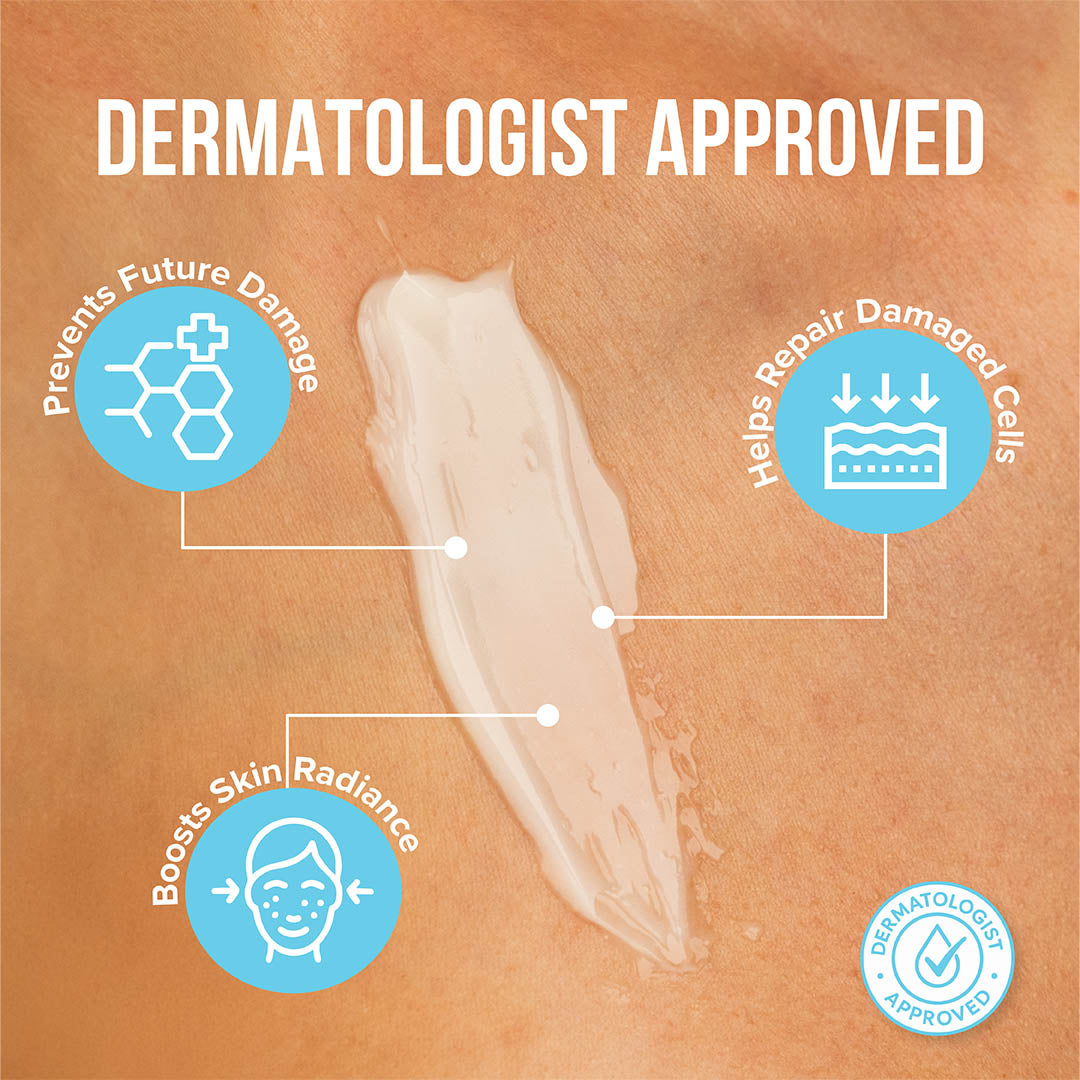
 Dermatologist-Approved