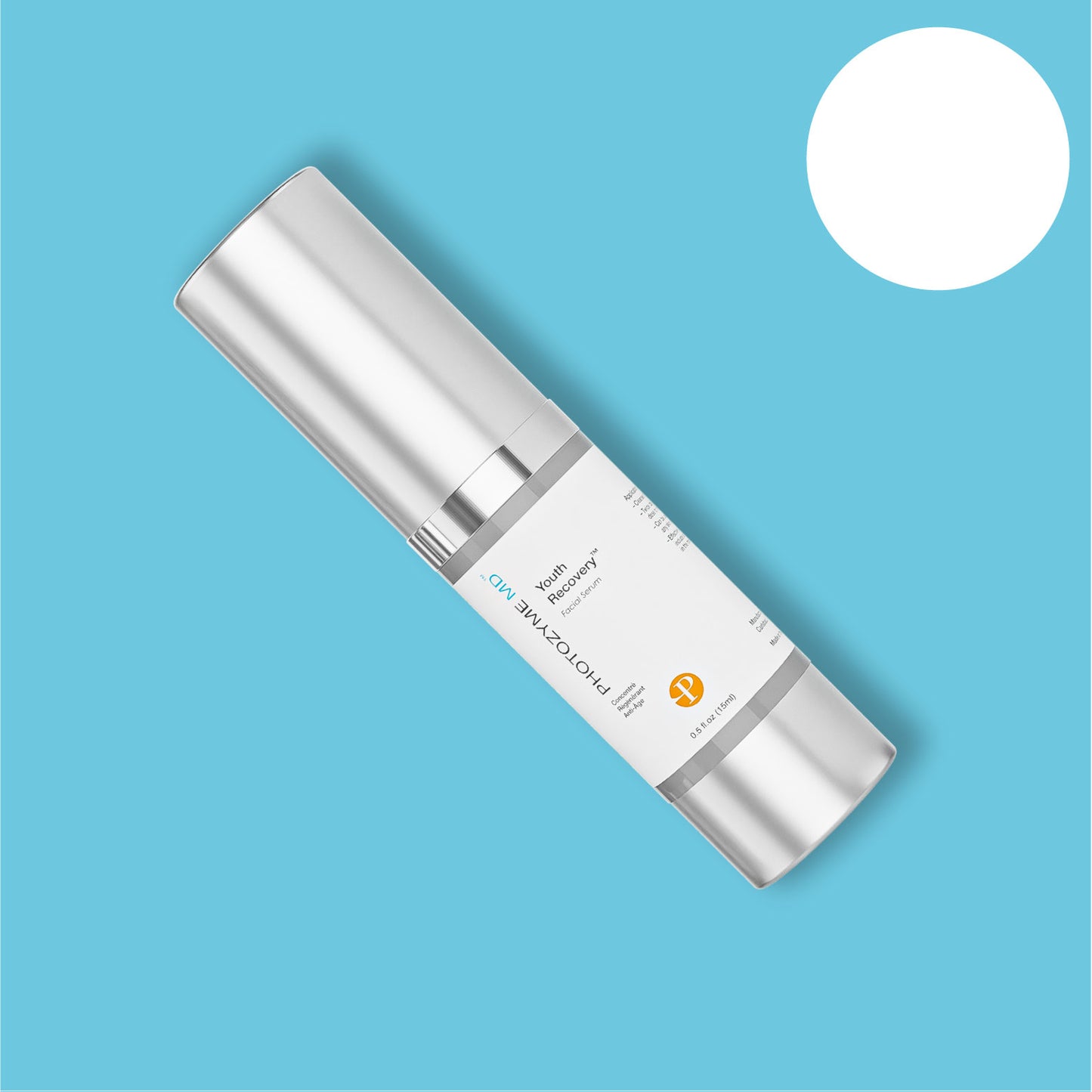
Patch testing is a crucial step before incorporating any hydrating serum for dry skin into your daily routine, especially when using potent, science-backed formulas. This process helps ensure compatibility with your skin and can protect against unexpected reactions.
Here’s a clinically driven approach to safely patch testing new skincare products:
- Choose A Controlled Test Area: Select a discreet area, such as the inner forearm or behind the ear. These spots closely mimic facial skin sensitivity without exposing your complexion to possible irritation.
- Prep The Skin: Cleanse the chosen patch site with a gentle, non-stripping cleanser. Allow it to dry completely before applying the serum.
- Apply A Small Amount: Place a pea-sized amount of the hydrating serum for dry skin onto the area. Gently rub it in, covering a space about the size of a nickel.
- Observe For Immediate Reactions: Leave the serum undisturbed for 24 hours, avoiding washing the area. Monitor closely for redness, itching, burning, or swelling, these could indicate sensitivity or allergy.
- Evaluate Over 72 Hours: Some reactions may have a delayed onset. Continue checking the site for up to three days. Watch for persistent dryness, bumps, or changes in color.
- Document & Compare: Take clear photos before and after application to document any visible changes. This can help you accurately track subtle reactions you might otherwise miss.
- Assess Next Steps: If the patch area remains clear and calm, move forward with a full-face application, gradually increasing frequency as tolerated. If any reaction occurs, discontinue use and consult a dermatologist.
Choosing The Right Serum Texture For Layering
When integrating a hydrating serum for dry skin into a multi-step routine, texture becomes a critical consideration. Clinical dermatology consistently emphasizes the importance of serum weight and penetrability, especially for adults managing signs of photoaging. Lighter, water-based serums typically deliver hydration more efficiently to deeper layers of skin without occluding pores or interfering with active ingredients applied afterward.
How Lightweight Serums Improve Absorption
For those seeking meaningful improvements in skin barrier function and reduction of transepidermal water loss, a hydrating serum with a lightweight, fast-absorbing texture often delivers measurable benefits. This texture ensures that supplementary treatments, such as antioxidant-rich creams or prescription retinoids, layering serums properly, increasing the overall efficacy of the regimen. In published clinical trials, patients over the age of 40 frequently report improved skin suppleness and reduction in dry patches when their routine incorporates a thin, fluid serum as the hydration step.
What Users Notice With Fast-Absorbing Formulas
Real users echo these clinical observations. Many describe the immediate comfort and plumping effect achieved by a carefully formulated hydrating serum that sinks in rapidly, leaving no tacky residue. Individuals with mature or sun-damaged skin often note that lighter formulas help support a smoother, more resilient complexion alongside their primary anti-aging treatments.
For best results, apply serum before thicker formulas to follow clinical layer serum + moisturizer advice.
Morning vs Evening Application Strategies
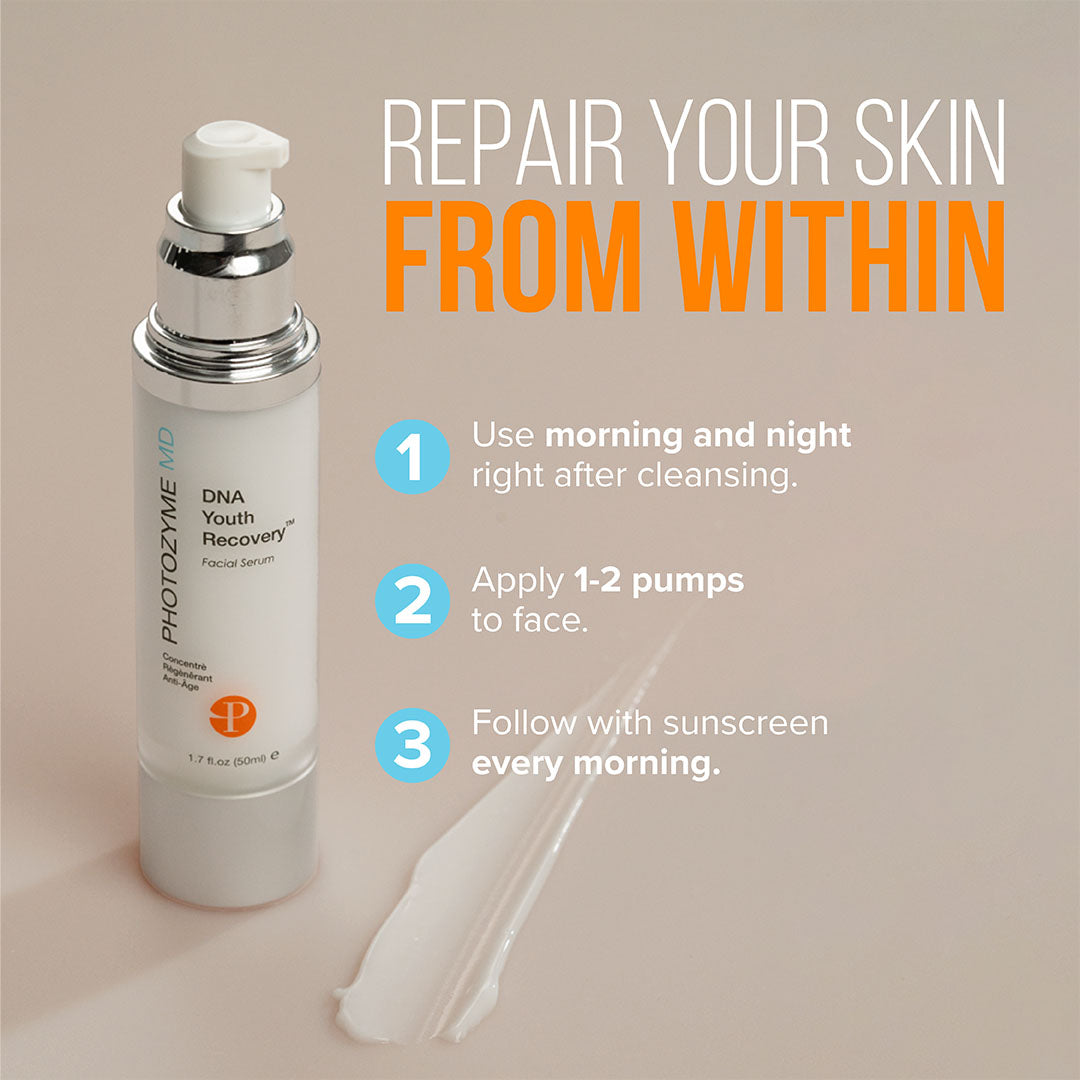
When optimizing the benefits of a hydrating serum for dry skin, timing is clinically significant. Dermatologists often recommend a dual approach, incorporating the serum into both morning and evening routines for optimal efficacy.
How Morning Use Strengthens Daily Protection
Morning application is primarily about protection and hydration. After cleansing, applying a hydrating serum enriches the skin with moisture-binding ingredients, such as hyaluronic acid, while preparing the skin to face daily environmental stressors. Clinical studies support the role of serums in reinforcing the skin’s barrier function and improving its ability to retain moisture throughout the day. Pairing a serum with SPF further safeguards the skin against incremental UV exposure and helps prevent the exacerbation of dryness triggered by sun damage.
Why Evening Use Enhances Repair
Evening application shifts the focus to repair and rejuvenation. Overnight, the skin undergoes natural restorative processes, including increased cell turnover. Using a hydrating serum after cleansing at night enhances these processes by delivering concentrated actives that penetrate more deeply while the skin is in recovery mode. Dermatology-aligned strategies often note that ingredients introduced in the evening have higher bioavailability, enabling them to work in harmony with the skin’s circadian rhythm for improved texture, tone, and moisture levels.
What Consistent Twice-Daily Application Improves
Consistent use in both the morning and evening is linked to marked improvements, including a reduced appearance of dry patches, softened fine lines, and a visible boost in overall luminosity. Clinical testimonials reveal that integrating a serum twice daily accelerates skin transformation, supported by both instrumental measurement and subjective user satisfaction.




 Free Shipping on US Orders $50+
 60-Day Money-Back Guarantee
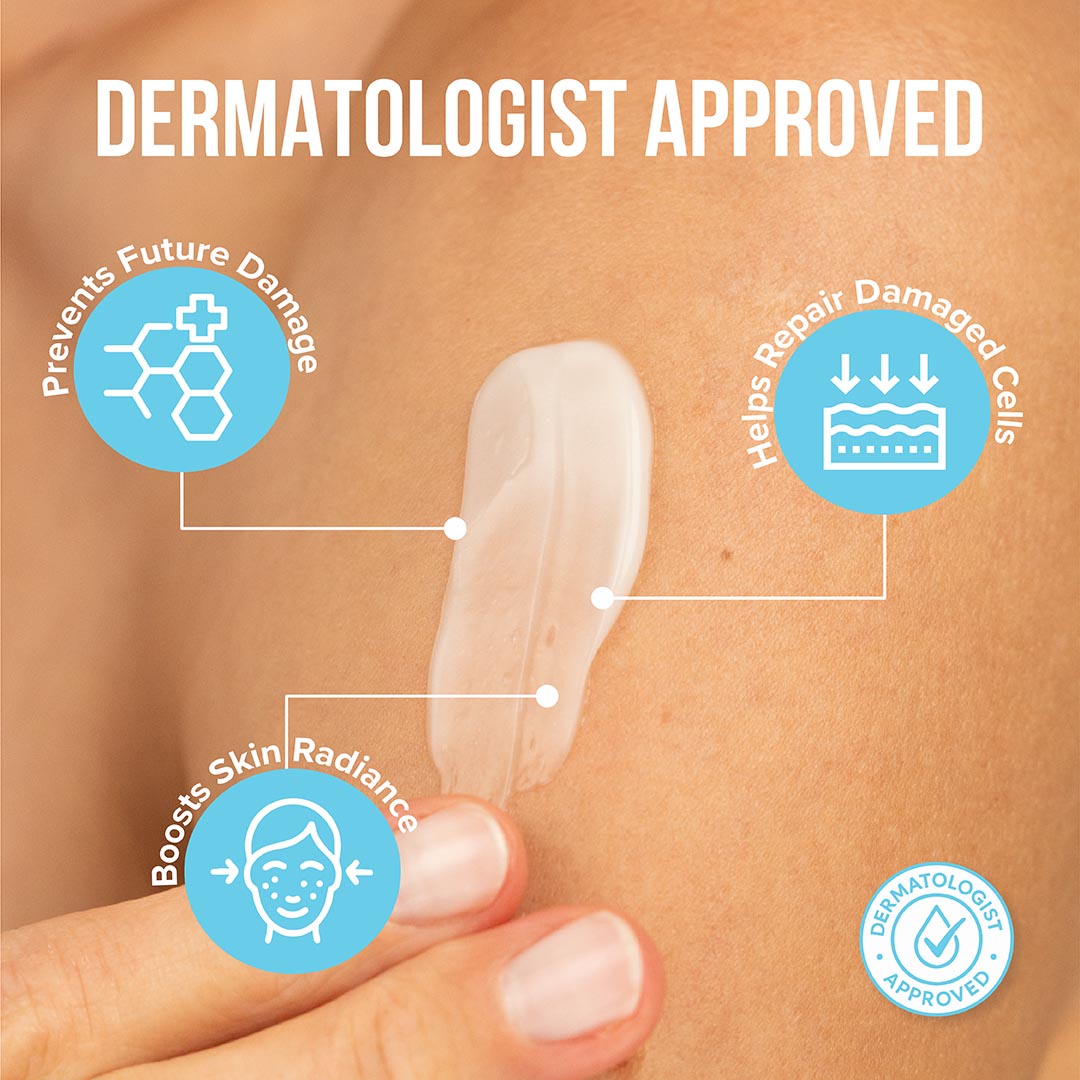
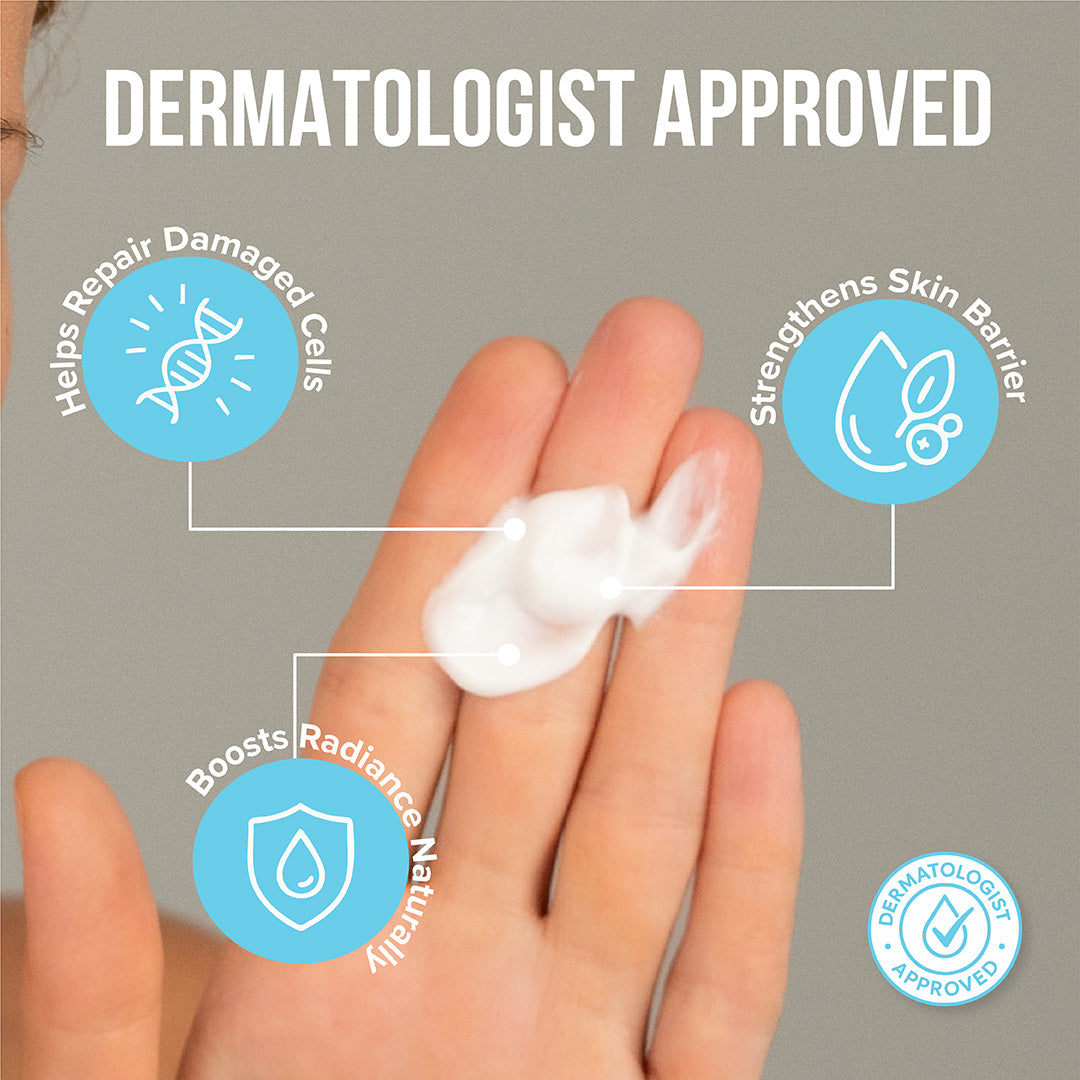
 Dermatologist-Approved